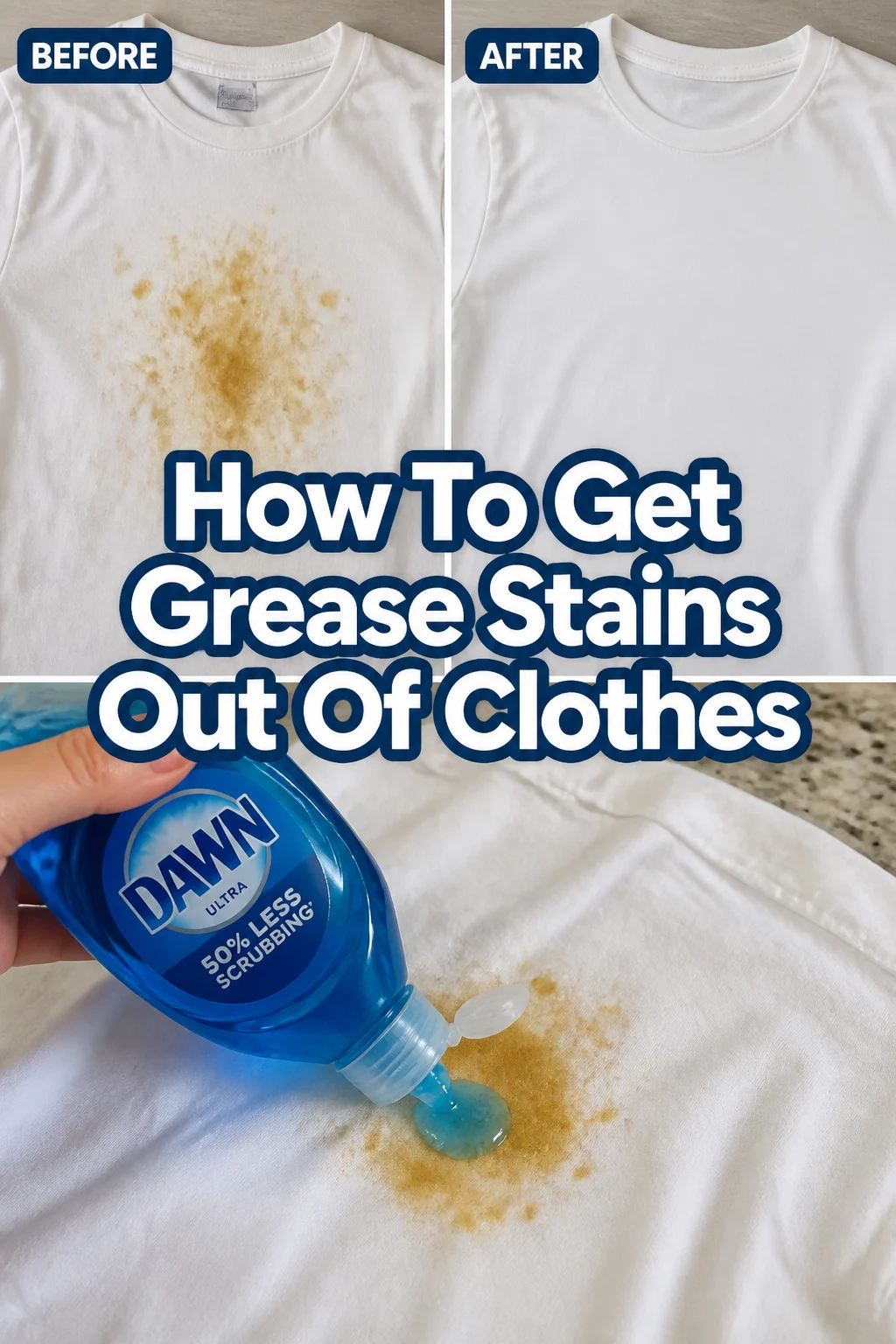
🧼 How To Get Grease Stains Out Of Clothes

Beginner-friendly templates, step-by-step guides,
and weekly project ideas in your inbox.
We’ve all been there. One minute you’re enjoying a meal, the next, a rogue drop of oil lands squarely on your favorite shirt. Or maybe you’re tinkering with the car, and a smudge of grease appears as if by magic. Grease stains feel like a permanent problem.
They don’t have to be. I’ve salvaged countless items from the laundry pile of despair, from cooking splatters to bicycle chain marks. This guide shares the exact methods I use, proven to work time and again.

Quick Overview
Getting grease stains out of clothes involves a specific sequence of steps that lift the oil rather than spreading it. You’ll learn how to tackle fresh stains and even those that have set in a bit. The key is patience and the right products.
- Time needed: 30 minutes to 1 hour (plus drying time)
- Difficulty: Beginner
- What you’ll need: Absorbent powder, dish soap, an old toothbrush or scrub brush, laundry detergent, clean cloths.
Step-by-Step Instructions
Step 1: Act Immediately
The moment you notice a grease stain, time is your biggest ally. Fresh stains are significantly easier to remove than those that have had time to set. Don’t let the stain sit for hours if you can help it.
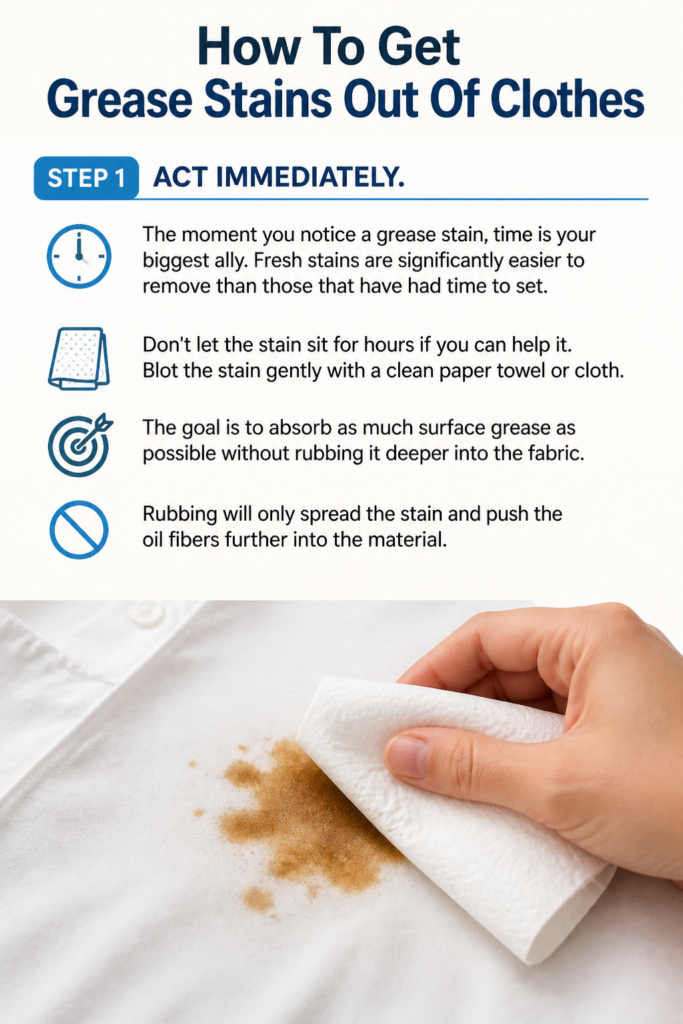
Blot the stain gently with a clean paper towel or cloth. The goal is to absorb as much surface grease as possible without rubbing it deeper into the fabric. Rubbing will only spread the stain and push the oil fibers further into the material.
Step 2: Apply an Absorbent Powder
This is a critical first step for drawing out the oil. Choose a common household powder like cornstarch, baking soda, talcum powder, or even chalk. These powders are excellent at soaking up oil.
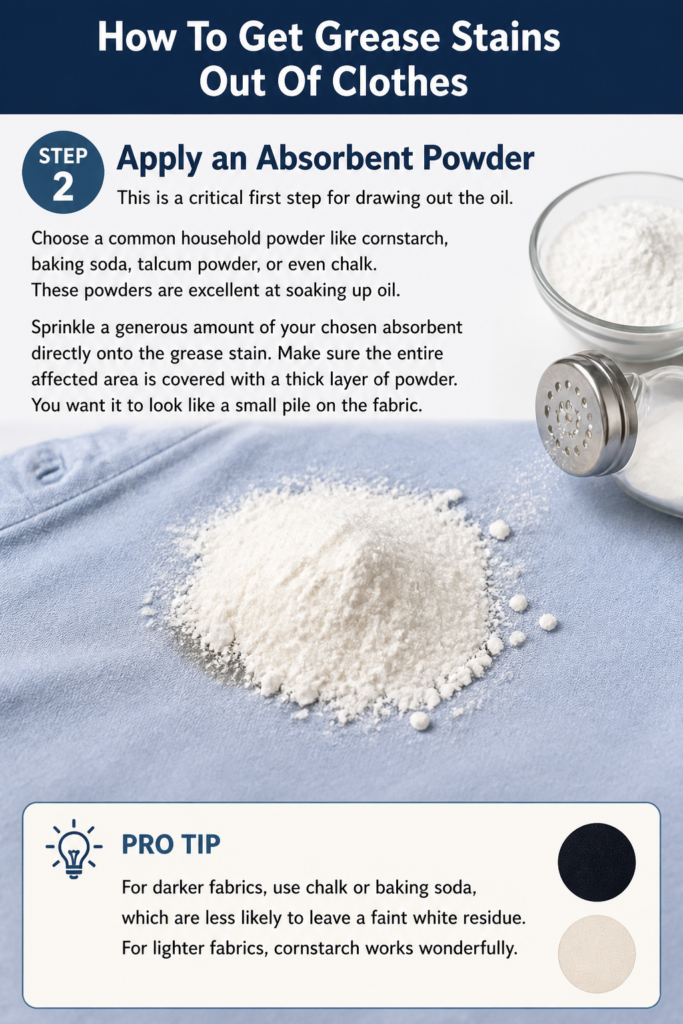
Sprinkle a generous amount of your chosen absorbent directly onto the grease stain. Make sure the entire affected area is covered with a thick layer of powder. You want it to look like a small pile on the fabric.
Pro Tip: For darker fabrics, use chalk or baking soda, which are less likely to leave a faint white residue. For lighter fabrics, cornstarch works wonderfully.
Step 3: Let the Powder Work Its Magic
Patience is key during this stage. The powder needs time to bind with the oil molecules and lift them from the fabric fibers. Rushing this step can compromise the effectiveness of the entire process.
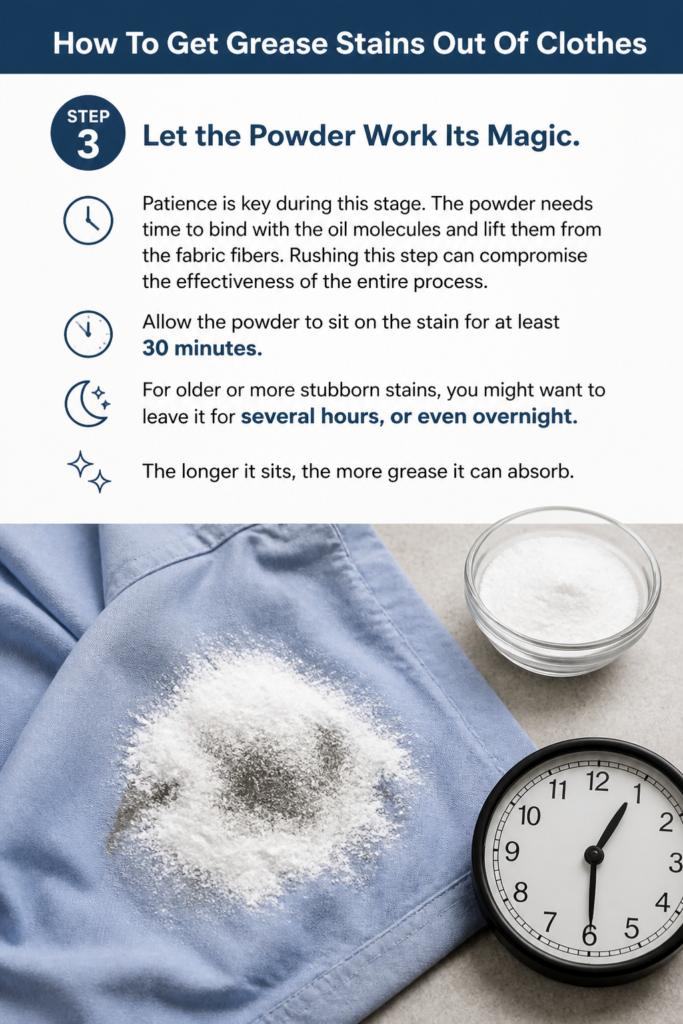
Allow the powder to sit on the stain for at least 30 minutes. For older or more stubborn stains, you might want to leave it for several hours, or even overnight. The longer it sits, the more grease it can absorb.
Step 4: Scrape and Brush Away the Powder
Once the powder has had ample time to absorb the grease, it’s time to remove it. You’ll likely see that the powder has changed color, indicating it has soaked up the oil. This is a good sign.
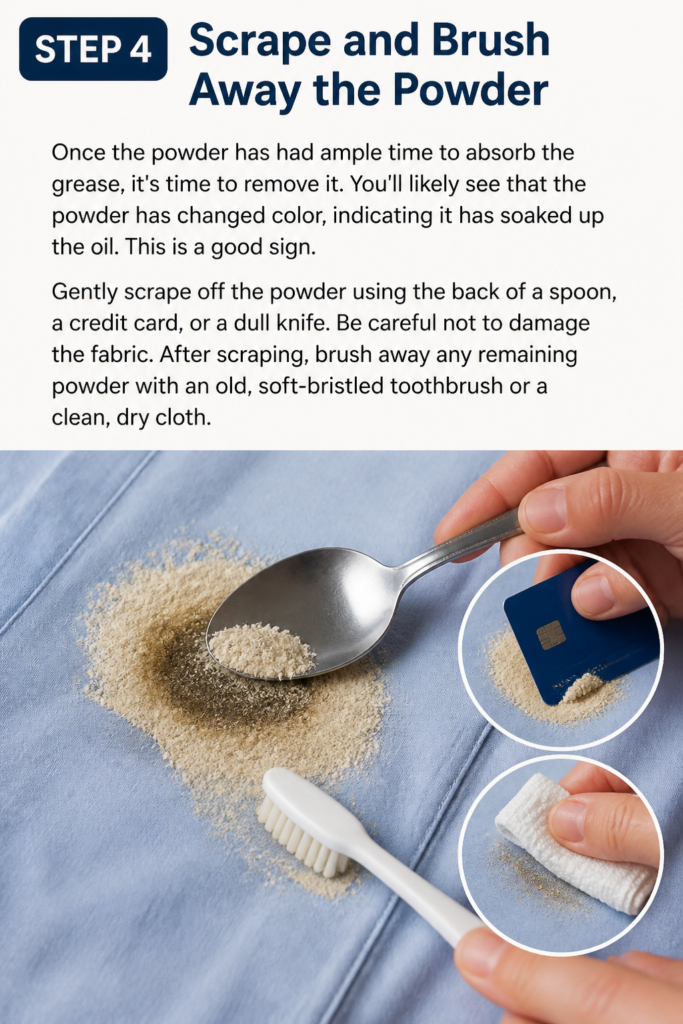
Gently scrape off the powder using the back of a spoon, a credit card, or a dull knife. Be careful not to damage the fabric. After scraping, brush away any remaining powder with an old, soft-bristled toothbrush or a clean, dry cloth.
Step 5: Treat with Dish Soap
Dish soap is formulated to cut through grease on dishes, and it works just as effectively on fabric. Its degreasing properties are exactly what you need for an oil-based stain. Avoid using harsh detergents at this stage.
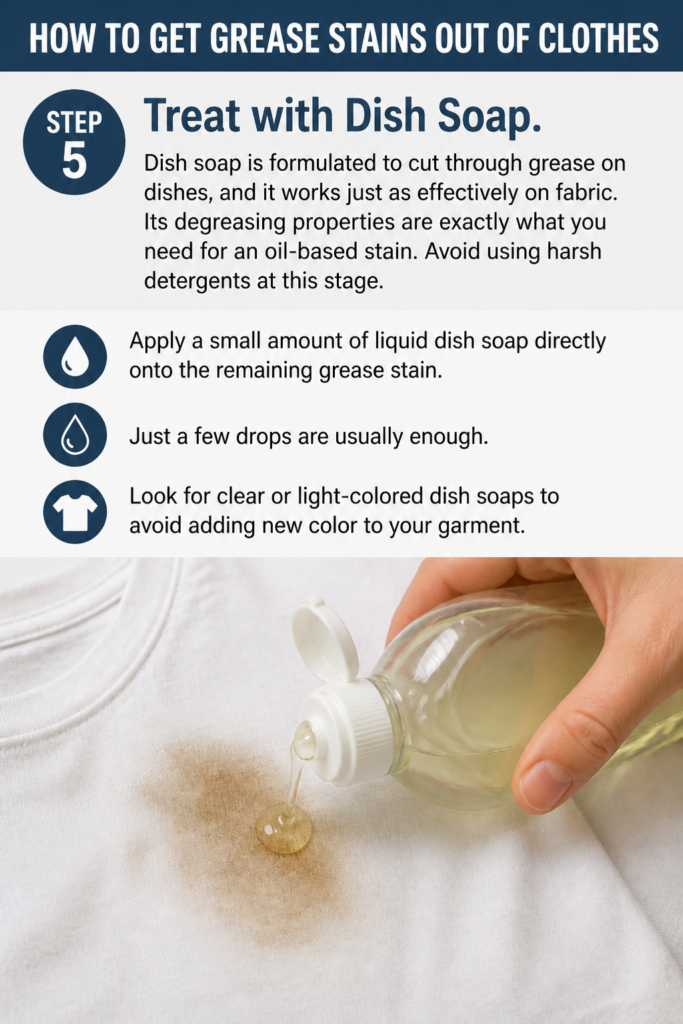
Apply a small amount of liquid dish soap directly onto the remaining grease stain. Just a few drops are usually enough. Look for clear or light-colored dish soaps to avoid adding new color to your garment.
Step 6: Agitate and Rinse
Now you need to work the dish soap into the fabric and break down the grease further. This physical action helps the soap penetrate the fibers.
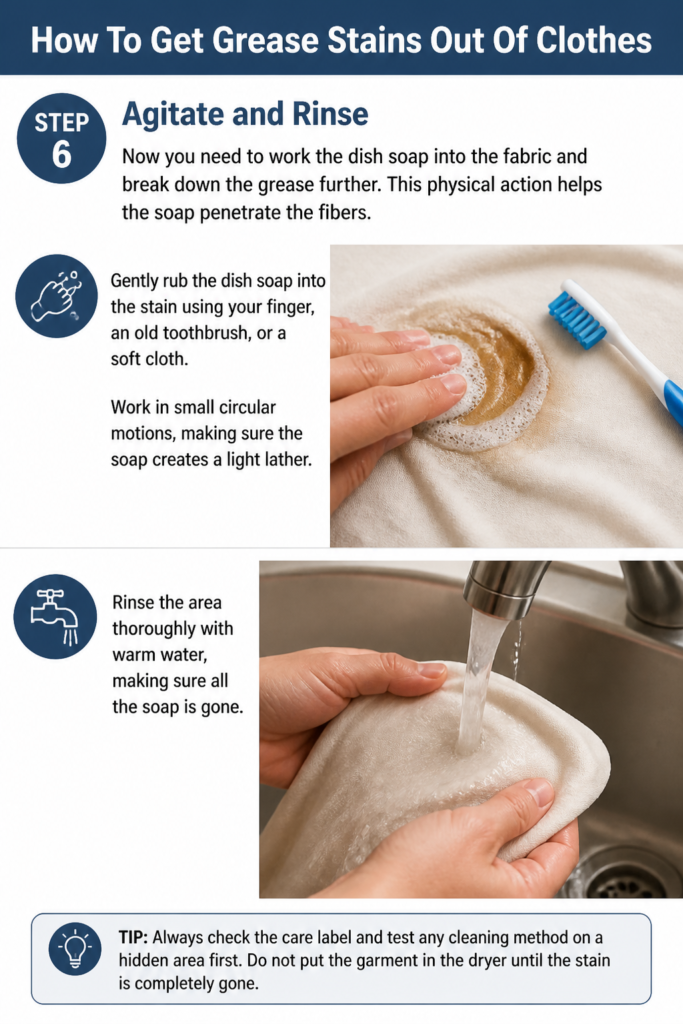
Gently rub the dish soap into the stain using your finger, an old toothbrush, or a soft cloth. Work in small circular motions, making sure the soap creates a light lather. Rinse the area thoroughly with warm water, making sure all the soap is gone.
Step 7: Launder as Usual (But with a Catch)
After pre-treating, the garment is ready for a full wash cycle. This final wash helps remove any residual grease and soap.
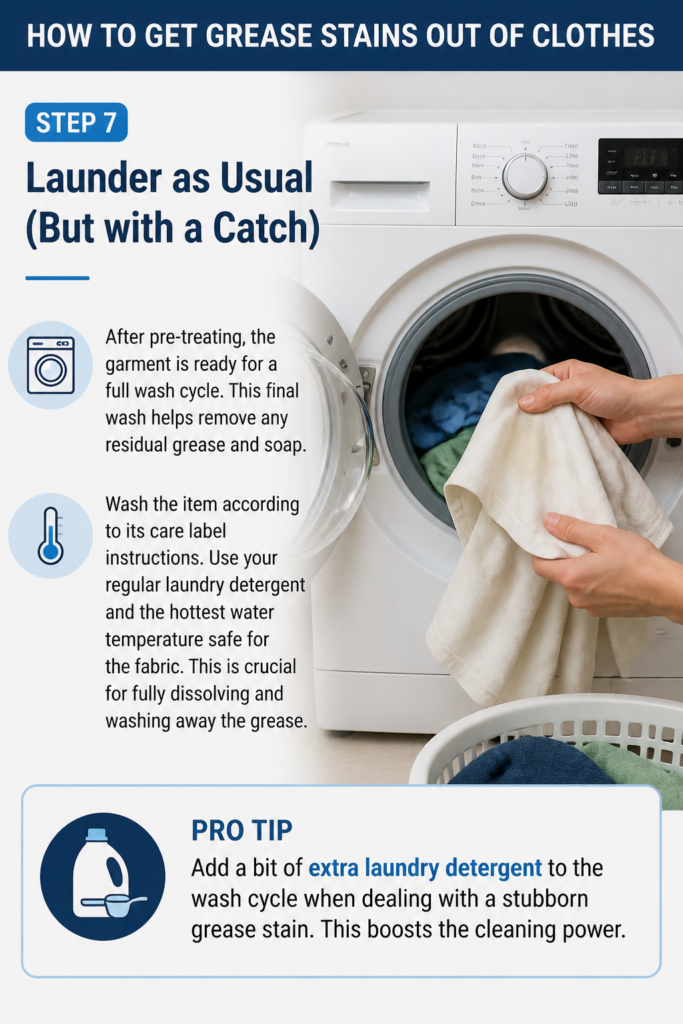
Wash the item according to its care label instructions. Use your regular laundry detergent and the hottest water temperature safe for the fabric. This is crucial for fully dissolving and washing away the grease.
Pro Tip: Add a bit of extra laundry detergent to the wash cycle when dealing with a stubborn grease stain. This boosts the cleaning power.
Step 8: Air Dry and Inspect Thoroughly
This step is perhaps the most important for ensuring the stain is truly gone. Heat from a dryer can permanently set a grease stain, making it almost impossible to remove later.
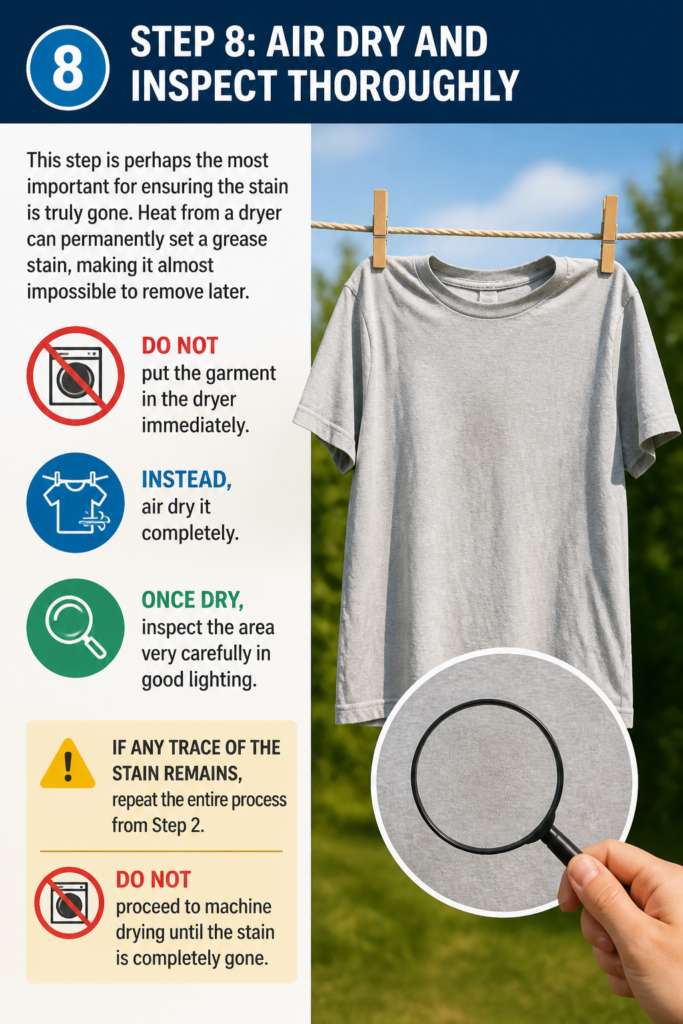
Do not put the garment in the dryer immediately. Instead, air dry it completely. Once dry, inspect the area very carefully in good lighting. If any trace of the stain remains, repeat the entire process from Step 2. Do not proceed to machine drying until the stain is completely gone.
Common Mistakes to Avoid
Rubbing the Stain
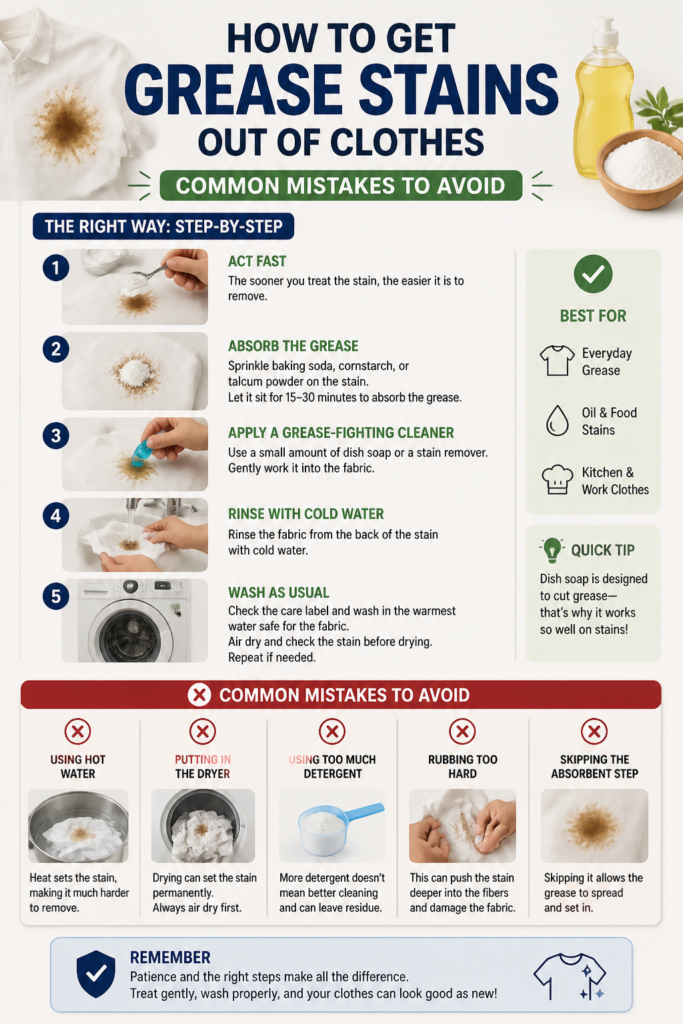
It’s a natural instinct to rub a fresh spill, but with grease, this is counterproductive. Rubbing pushes the oil deeper into the fabric fibers, making it harder to remove. It also spreads the stain over a larger area. Always blot a fresh stain gently to absorb excess oil.
Using Hot Water Immediately
While hot water is often good for cleaning, applying it directly to a fresh grease stain can actually set it. Heat can cause the oil to bind more tightly with the fabric. Always start with cool water when rinsing pre-treated stains, or use appropriate water temperature only after applying a degreaser like dish soap.
Drying Before Checking
This is the cardinal sin of stain removal. The heat from a clothes dryer will bake any remaining grease into the fabric, making the stain nearly impossible to remove in the future. Always air dry the garment and thoroughly inspect the stain area before putting it in the dryer. If you see any residue, repeat the treatment.
Giving Up Too Soon
Some grease stains, especially older ones or those on delicate fabrics, might require multiple treatments. Don’t assume a stain is permanent after one attempt. Repeat the absorbent powder and dish soap steps if necessary. Persistence often pays off.
Troubleshooting
Stain Still Visible After First Wash
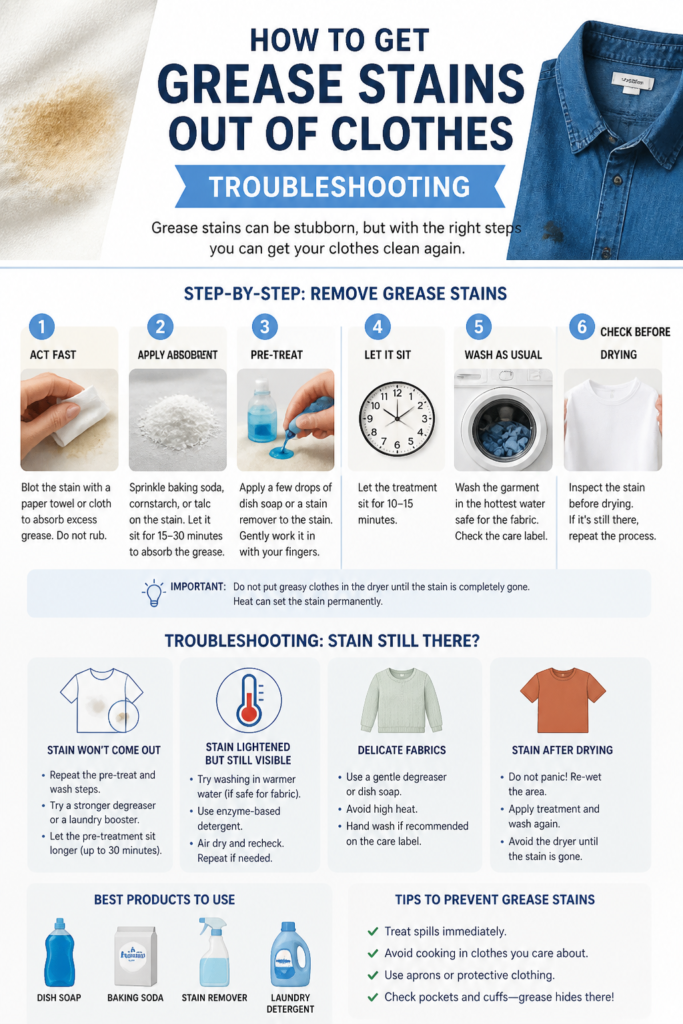
If you’ve followed all the steps and the stain persists after air drying, don’t despair. This often happens with stubborn or older stains. Simply repeat the entire process from Step 2 (applying absorbent powder). Sometimes, a stain needs two or even three rounds of treatment to fully lift. Be patient, and avoid the dryer until it’s completely gone.
Old, Set-In Stains
For grease stains that have been there a while, you might need a more aggressive approach or a specialized product. Consider using a heavy-duty stain remover specifically designed for oil and grease. Apply it according to the product instructions, then proceed with the dish soap and washing steps. Letting the absorbent powder sit overnight can also be more effective for older stains.
Delicate Fabrics
Delicate materials like silk, rayon, or certain blends require a very gentle touch. Avoid aggressive scrubbing, which can damage the fibers. Instead of an old toothbrush, use a soft cloth or your finger to gently work in the dish soap. Test any cleaning product on an inconspicuous area first. If you’re unsure, or if the item is dry-clean only, it’s best to consult a professional cleaner.
Key Takeaways
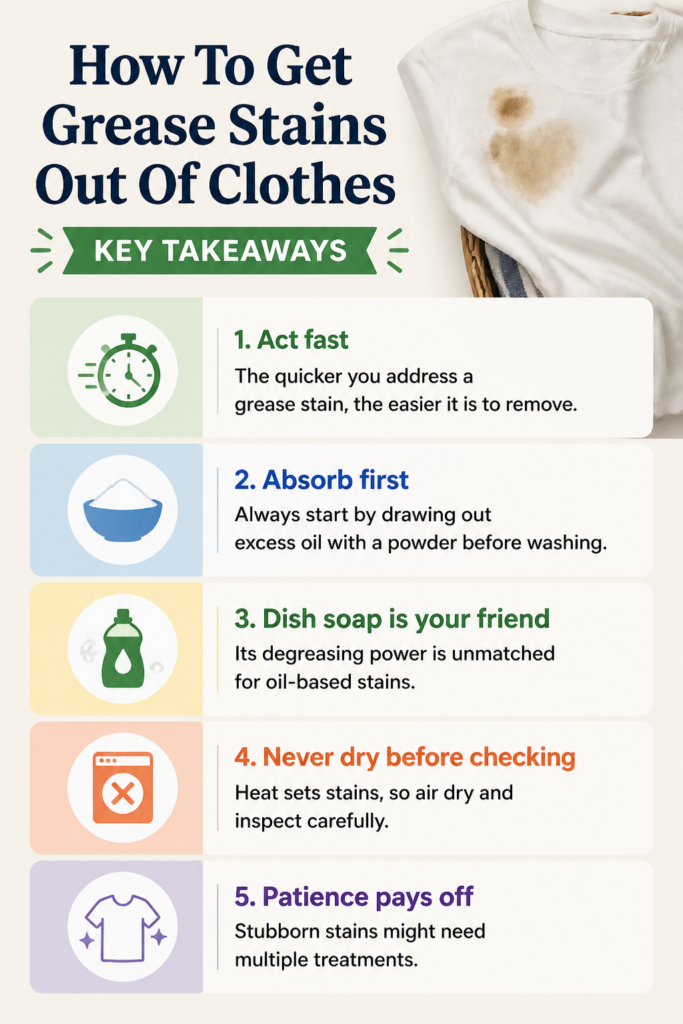
- Act fast: The quicker you address a grease stain, the easier it is to remove.
- Absorb first: Always start by drawing out excess oil with a powder before washing.
- Dish soap is your friend: Its degreasing power is unmatched for oil-based stains.
- Never dry before checking: Heat sets stains, so air dry and inspect carefully.
- Patience pays off: Stubborn stains might need multiple treatments.
Frequently Asked Questions
Can I use laundry detergent instead of dish soap?
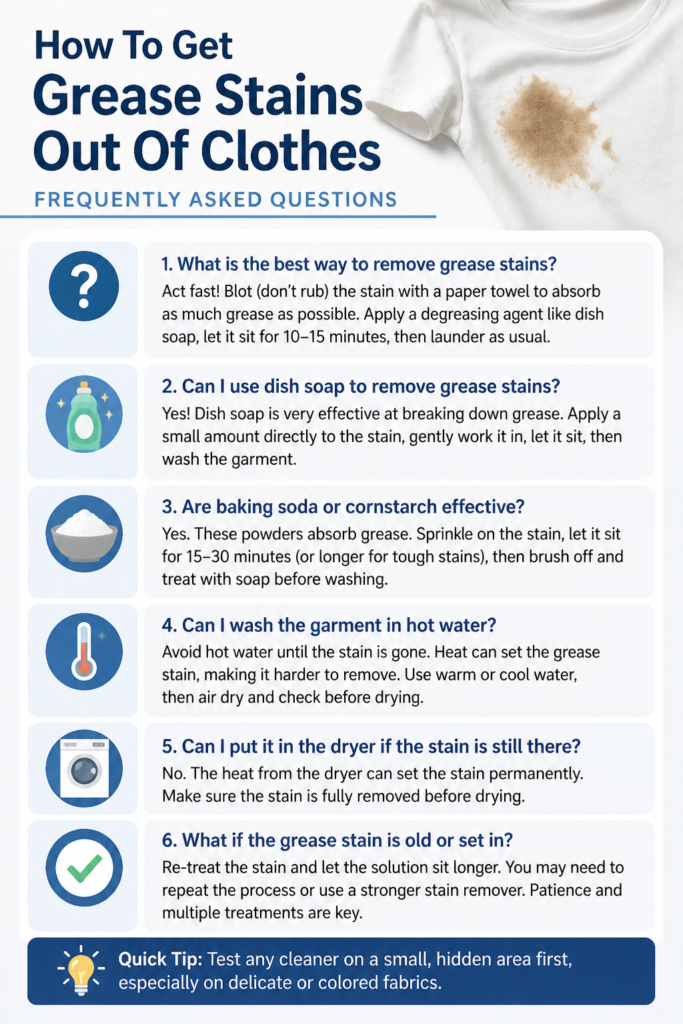
While laundry detergent can clean clothes, dish soap is specifically formulated to break down grease and oil. Its degreasing power is much stronger for targeted stain removal. Laundry detergent might work on very light stains, but dish soap is generally more effective for a true grease stain.
What if the fabric is dry-clean only?
For dry-clean only items, it’s generally best to take them to a professional cleaner. Point out the stain specifically. If you must attempt it at home, use the absorbent powder method very carefully, but avoid any water or liquid cleaners unless you are certain they are safe for the fabric and you’ve tested in an inconspicuous area.
Does vinegar help with grease stains?
Vinegar is an excellent natural cleaner for many things, but it’s not particularly effective against oil-based grease stains. Its acidity works better on mineral deposits, odors, and some food stains. For grease, you need a degreasing agent like dish soap.
How do I remove grease from colored clothes without fading?
The methods described in this guide are generally safe for colored clothes. However, always test any product, especially dish soap or specialized stain removers, on an inconspicuous area of the garment first (like an inside seam). Look for clear or light-colored dish soaps to avoid transferring dye. Air drying is also crucial to prevent any potential fading from heat.
Our Top Recommended Finds
- Blue Dawn Dish Soap: Widely regarded as one of the best for cutting grease, it’s effective yet gentle.
- Soft-Bristle Stain Brush: An old toothbrush works, but a dedicated stain brush can be more comfortable and effective for working in treatments.
- Cornstarch or Baking Soda: Inexpensive and readily available, these pantry staples are powerful absorbents for fresh grease.
Reclaim Your Wardrobe, One Stain at a Time
Grease stains can feel like a death sentence for your favorite garments, but they don’t have to be. With the right approach and a bit of patience, you can often bring your clothes back to life. Don’t let a spill condemn a perfectly good item to the rag pile.
Take these steps, gather your supplies, and tackle that stain today. You’ll be amazed at how simple it is to restore your clothes. Your wardrobe will thank you.
Beginner-friendly templates, step-by-step guides,
and weekly project ideas in your inbox.