👋 How To Get Super Glue Of Your Hands

Beginner-friendly templates, step-by-step guides,
and weekly project ideas in your inbox.
We’ve all been there.
That sudden jolt of panic when super glue bonds your fingers together, or a blob lands stubbornly on your skin.
Having accidentally glued my fingers together more times than I care to admit, I’ve learned the safest and most effective ways to free them without causing damage.
Quick Overview
This guide will walk you through the proven methods to safely remove super glue from your skin.
You’ll learn how to break the bond without tearing your skin, leaving your hands clean and intact.
- Time needed: 10-30 minutes, depending on the glue’s bond and amount.
- Difficulty: Beginner. Patience is key.
- What you’ll need: Acetone (nail polish remover), warm soapy water, cooking oil, gentle abrasive (sugar/salt), moisturizer.
Step-by-Step Instructions
Step 1: Don’t Panic and Assess the Situation
The first and most crucial step is to remain calm. Panicking often leads to forceful pulling, which can seriously damage your skin.
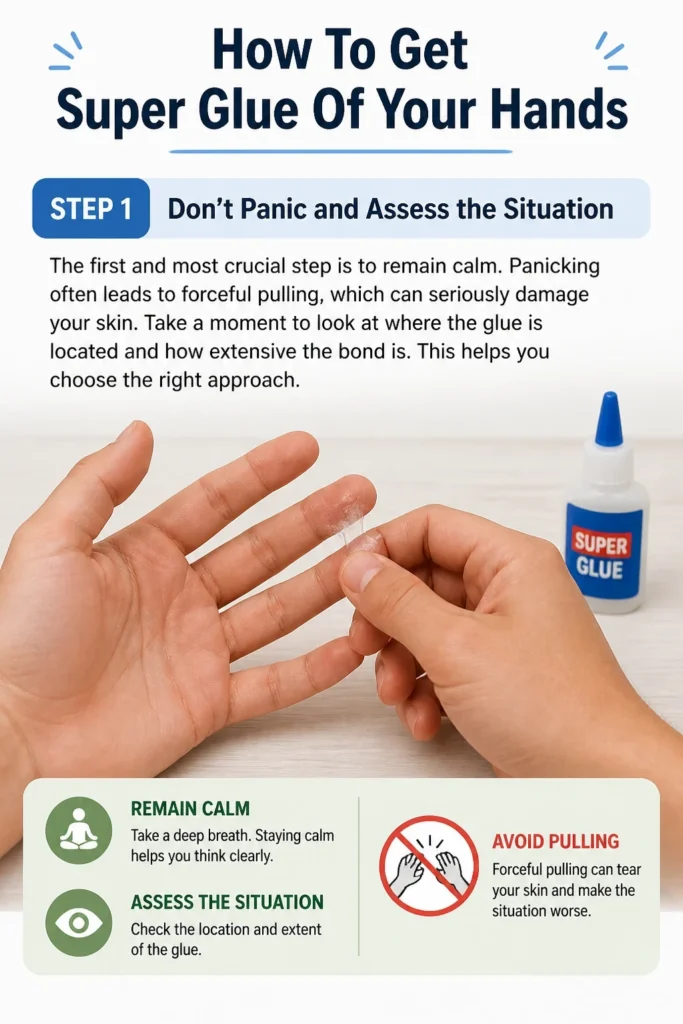
Take a moment to look at where the glue is located and how extensive the bond is. This helps you choose the right approach.
Step 2: Gather Your Essential Supplies
Before you begin, make sure you have everything you might need within reach. This prevents you from struggling with glued fingers while searching for items.
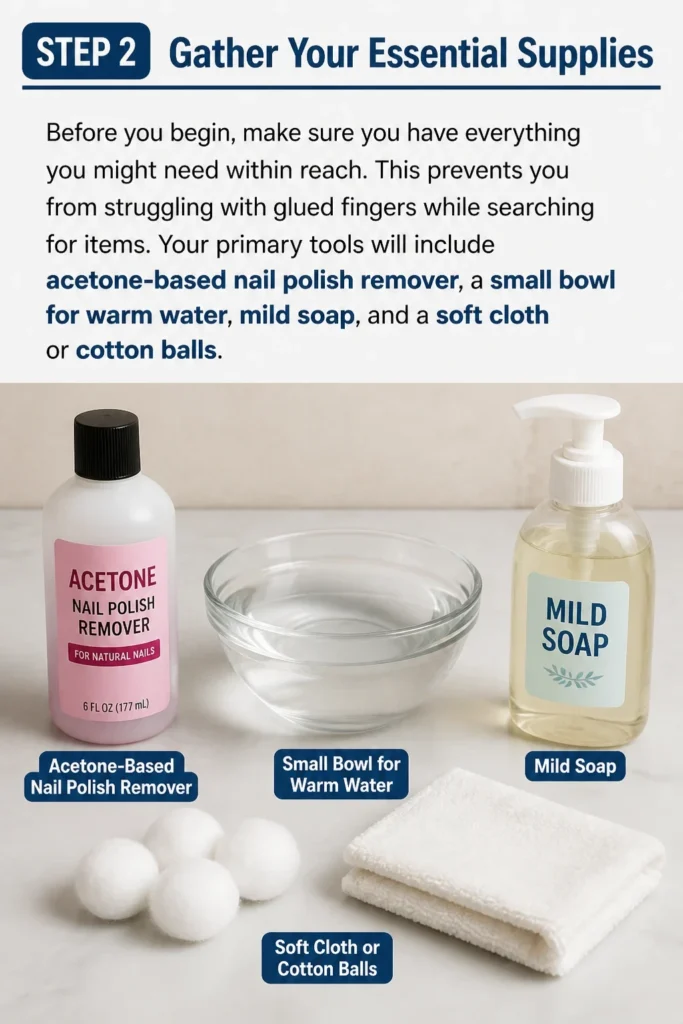
Your primary tools will include acetone-based nail polish remover, a small bowl for warm water, mild soap, and a soft cloth or cotton balls.
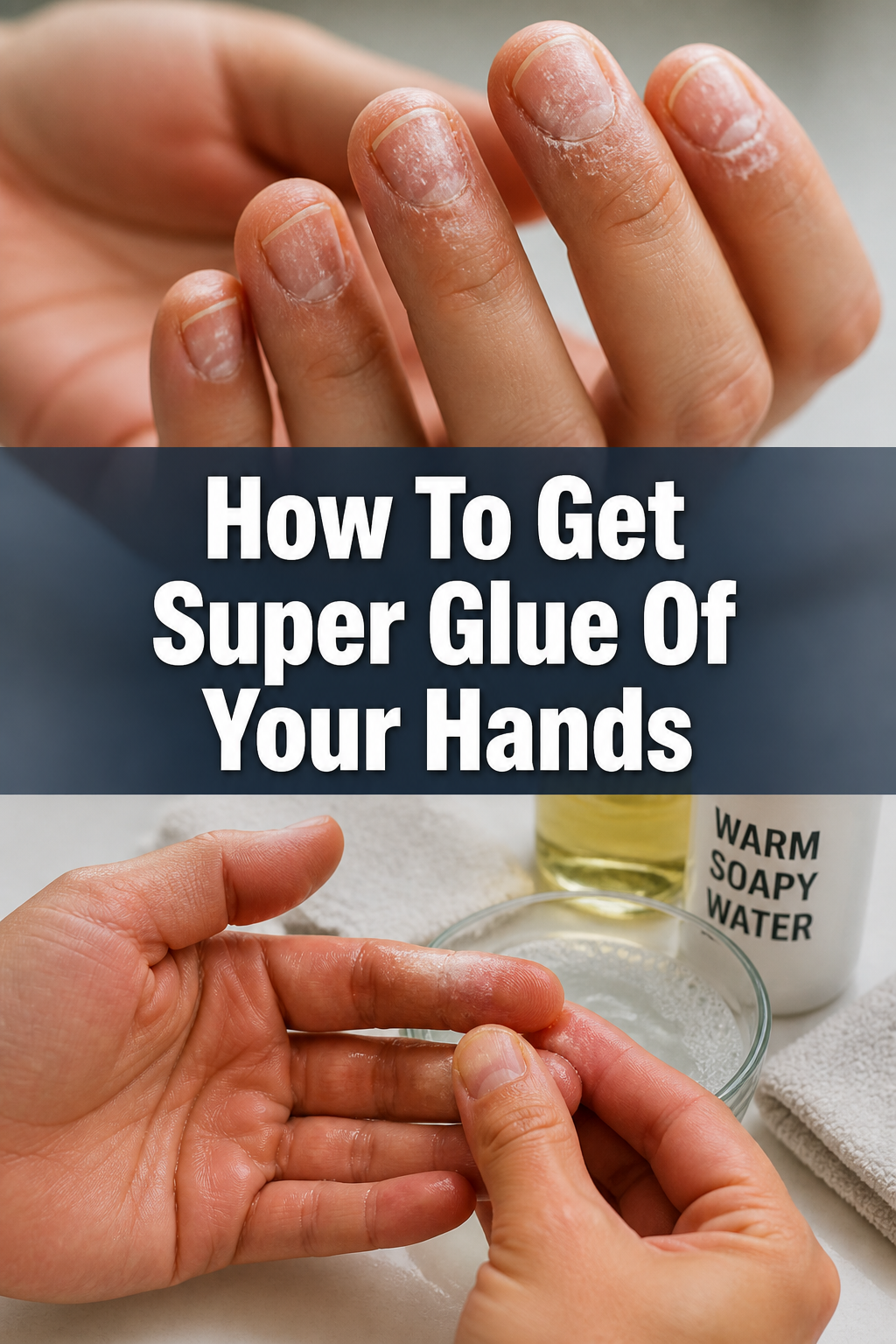
Step 3: Soak in Warm, Soapy Water
Fill a bowl with warm (not hot) water and add a generous amount of mild liquid soap. Submerge the affected area of your hand or fingers.
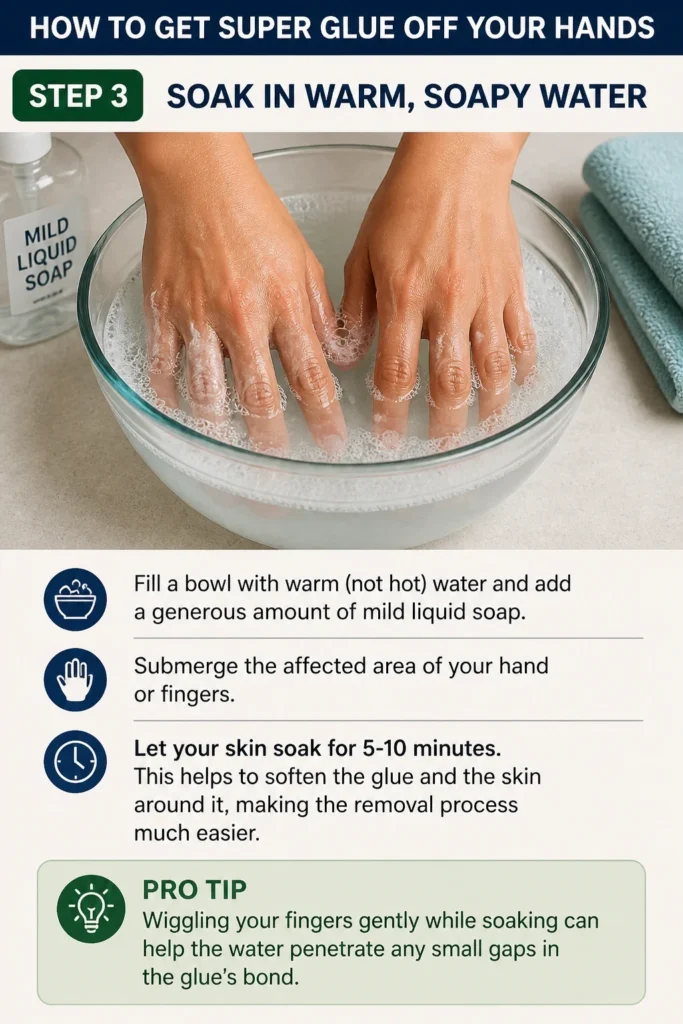
Let your skin soak for 5-10 minutes. This helps to soften the glue and the skin around it, making the removal process much easier.
Pro Tip: Wiggling your fingers gently while soaking can help the water penetrate any small gaps in the glue’s bond.
Step 4: Carefully Apply Acetone
Acetone is the most effective solvent for super glue. Dip a cotton ball or a soft cloth into acetone-based nail polish remover.
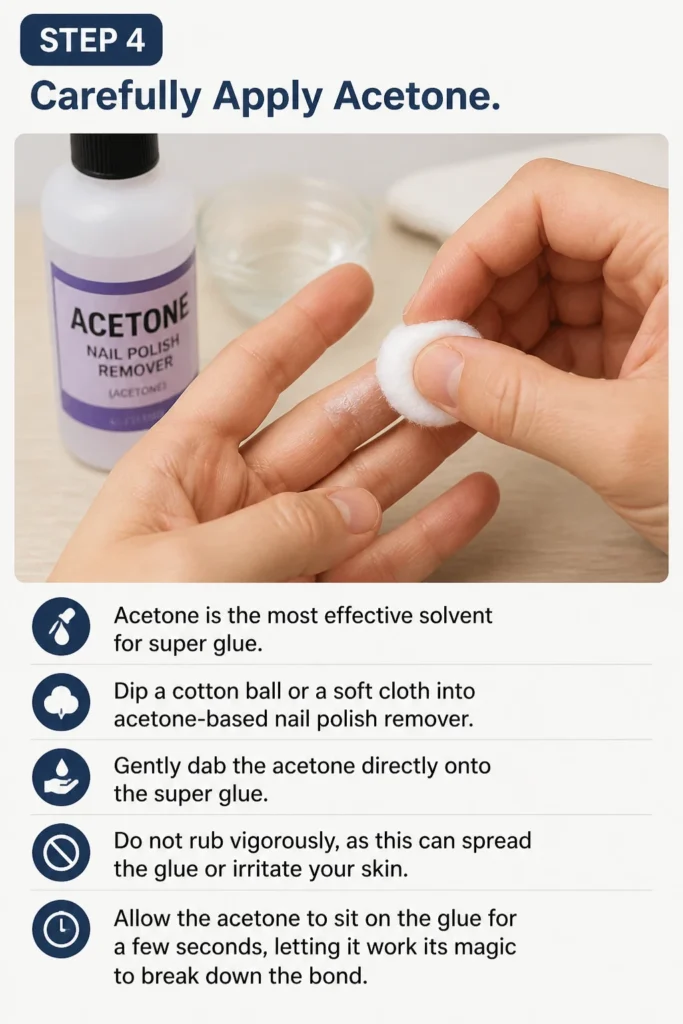
Gently dab the acetone directly onto the super glue. Do not rub vigorously, as this can spread the glue or irritate your skin.
Allow the acetone to sit on the glue for a few seconds, letting it work its magic to break down the bond.
Step 5: Gently Peel or Roll the Glue Off
After applying acetone, you should feel the glue starting to loosen. Try to gently roll your fingers or skin apart, rather than pulling them.
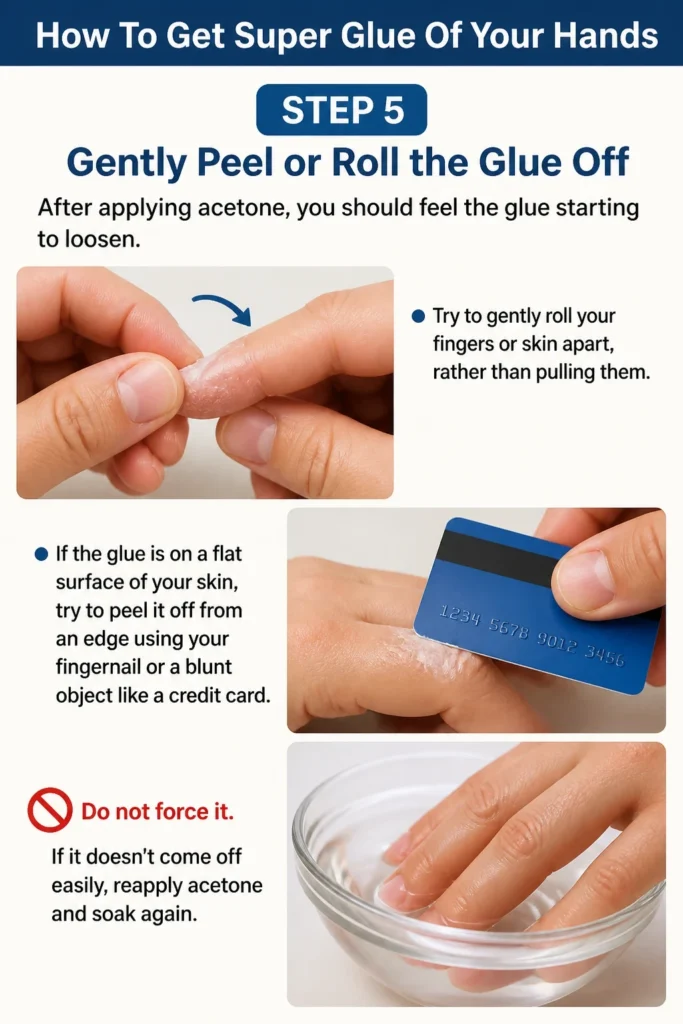
If the glue is on a flat surface of your skin, try to peel it off from an edge using your fingernail or a blunt object like a credit card.
Do not force it. If it doesn’t come off easily, reapply acetone and soak again.
Step 6: Use Oil for Stubborn Residue
If some glue remains or if you prefer an acetone-free method, various oils can help. Vegetable oil, olive oil, or even petroleum jelly can be effective.
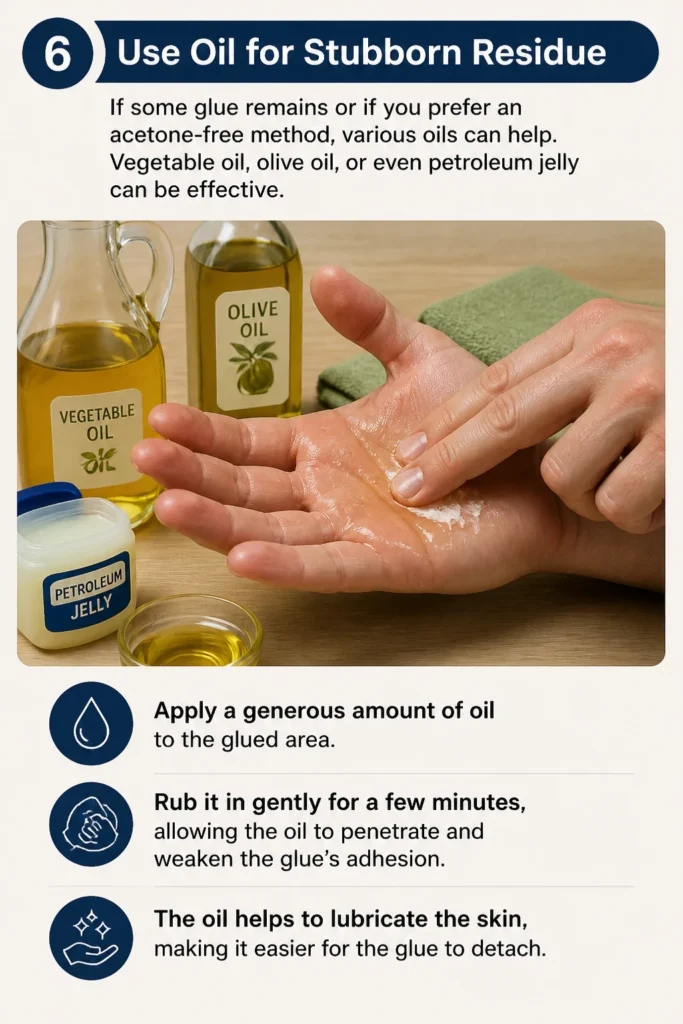
Apply a generous amount of oil to the glued area. Rub it in gently for a few minutes, allowing the oil to penetrate and weaken the glue’s adhesion.
The oil helps to lubricate the skin, making it easier for the glue to detach.
Step 7: Exfoliate with a Gentle Abrasive
For any remaining small bits of glue or a slightly sticky residue, a gentle abrasive can be useful. Mix a small amount of sugar or salt with some warm water or oil to create a paste.
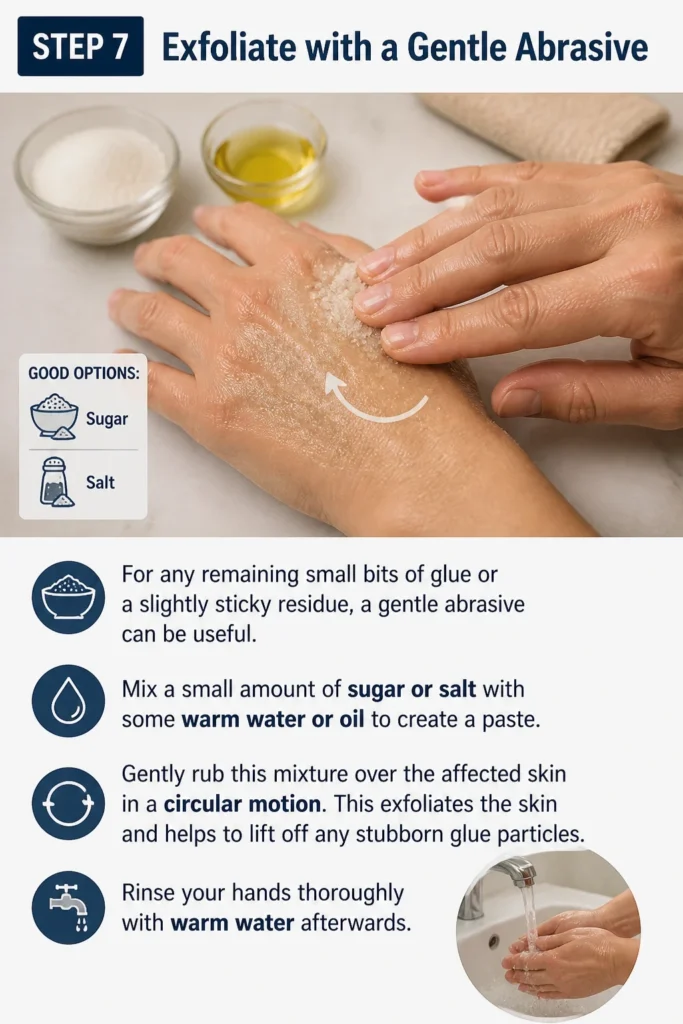
Gently rub this mixture over the affected skin in a circular motion. This exfoliates the skin and helps to lift off any stubborn glue particles.
Rinse your hands thoroughly with warm water afterwards.
Step 8: Wash and Moisturize Your Hands
Once all the glue is removed, wash your hands thoroughly with soap and water to remove any residue from the glue, acetone, or oil.
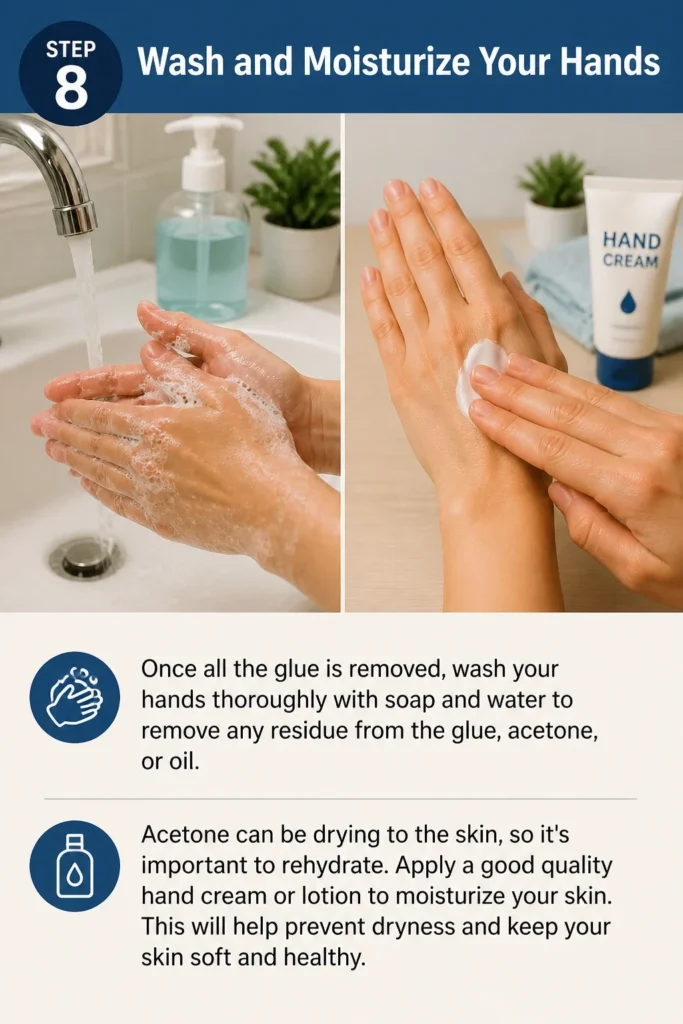
Acetone can be drying to the skin, so it’s important to rehydrate. Apply a good quality hand cream or lotion to moisturize your skin.
This will help prevent dryness and keep your skin soft and healthy.
Common Mistakes to Avoid
Forcing or Pulling Your Skin Apart
One of the most common reactions to getting super glue on your hands is to try to pull your skin apart forcefully. This is a significant mistake.
Super glue forms an incredibly strong bond, and pulling can lead to skin tears, blisters, or even removing layers of skin. Always prioritize gentle methods over brute force.
Using Harsh or Sharp Tools
Resist the temptation to use sharp objects like knives, razor blades, or even abrasive sandpaper to scrape off the glue. These tools can easily cut or abrade your skin.
Even dull objects, if used with too much pressure, can cause damage. Stick to soft cloths, cotton balls, and your fingernails for gentle manipulation.
Ignoring Skin Sensitivity to Acetone
While acetone is effective, it can be irritating to sensitive skin. Applying it repeatedly without breaks, or scrubbing too hard, can cause redness, dryness, or a burning sensation.
Always perform a small patch test first if you have sensitive skin. If irritation occurs, rinse immediately and switch to oil-based methods or consult a doctor.
Skipping the Moisturizing Step
After using solvents like acetone, your skin can become very dry and prone to cracking. Many people focus only on glue removal and forget about aftercare.
Neglecting to moisturize can leave your skin feeling rough, tight, and uncomfortable. Always follow up with a rich hand cream to restore moisture and protect your skin’s barrier.
Troubleshooting
Glue Still Stuck After Acetone Application
If the glue doesn’t come off completely after the first application of acetone, don’t get discouraged. Sometimes the bond is particularly strong or the glue layer is thick.
Repeat the process: soak your hands in warm soapy water again for a few minutes, then reapply acetone with a fresh cotton ball. Allow it more time to penetrate.
You might also try alternating between acetone and an oil-based approach to further weaken the bond. Patience and multiple attempts are often needed for stubborn spots.
Skin Irritation or Redness from Acetone
If your skin starts to feel overly dry, red, or develops a burning sensation from the acetone, stop using it immediately. Rinse the affected area thoroughly with cool water.
Apply a soothing, unscented moisturizer or a thin layer of petroleum jelly to the irritated skin. If the irritation persists or worsens, consult a healthcare professional.
For future glue incidents, consider trying the oil and warm water method first, or using a less concentrated acetone solution if available.
Glue in a Sensitive Area (Eyes, Mouth, Open Wounds)
Getting super glue in your eyes, mouth, nose, or on an open wound is a serious medical emergency. Do NOT attempt to remove it yourself using the methods described here.
Immediately flush the affected area with plenty of cool water for at least 15 minutes. Seek immediate medical attention or call emergency services.
Always keep super glue away from children and exercise extreme caution when using it near your face or any broken skin.
Key Takeaways
- Stay calm and avoid forceful pulling, which can damage your skin.
- Warm, soapy water softens the glue and prepares your skin for removal.
- Acetone is the most effective solvent for super glue, but use it carefully and sparingly.
- Oils and gentle abrasives offer alternative methods for removal and residue cleanup.
- Always moisturize your hands after using solvents to prevent dryness and irritation.
- Seek immediate medical attention if super glue gets into eyes, mouth, or open wounds.
Frequently Asked Questions
Is acetone safe for my skin?
Acetone is generally safe for short-term, topical use on healthy skin. It’s a common ingredient in nail polish removers. However, it can be drying and may cause irritation for individuals with sensitive skin or prolonged exposure.
Always use it in a well-ventilated area and follow up with a good moisturizer to prevent dryness. Avoid contact with open wounds or mucous membranes.
What if I don’t have acetone?
If you don’t have acetone, your best alternative is to rely on warm soapy water and oils. Soak your hands thoroughly in warm water with dish soap for an extended period (15-20 minutes).
Then, apply cooking oil (vegetable, olive, or even butter) or petroleum jelly generously and gently rub it into the glue. This may take longer but can often loosen the bond enough for gentle removal.
How long does super glue last on skin?
If left untreated, super glue on your skin will typically wear off naturally within a few days to a week. This happens as your skin’s natural oils and dead skin cells work to shed the glue.
However, it’s generally uncomfortable and not advisable to leave it. Prompt removal using the methods outlined here is always recommended for comfort and hygiene.
Can I use rubbing alcohol to remove super glue?
Rubbing alcohol (isopropyl alcohol) is not as effective as acetone for dissolving super glue. While it might slightly soften some types of glue, it typically won’t break the strong bond of cyanoacrylate adhesives.
It’s better to stick to acetone, or if that’s unavailable, use the warm water and oil method as your primary alternatives for successful removal.
Our Top Recommended Finds
- Acetone-based Nail Polish Remover: This is your primary weapon against super glue, quickly dissolving the bond. Look for brands that are 100% acetone for maximum effectiveness.
- Gentle Liquid Hand Soap: An essential for the initial soak and final wash, helping to soften the glue and clean your hands without harsh chemicals.
- Rich Moisturizing Hand Cream: Crucial for restoring your skin’s hydration after using solvents, preventing dryness and keeping your hands soft.
Smooth Hands, Clear Mind: Conquering Super Glue Mishaps
Getting super glue on your hands can be a startling experience, but it doesn’t have to be a disaster.
By following these careful, step-by-step instructions, you can safely and effectively remove the glue without any lasting damage to your skin.
Remember, patience and gentle techniques are your best allies. Keep these tips in mind for your next DIY project, and you’ll be well-prepared for any sticky situation.
Beginner-friendly templates, step-by-step guides,
and weekly project ideas in your inbox.