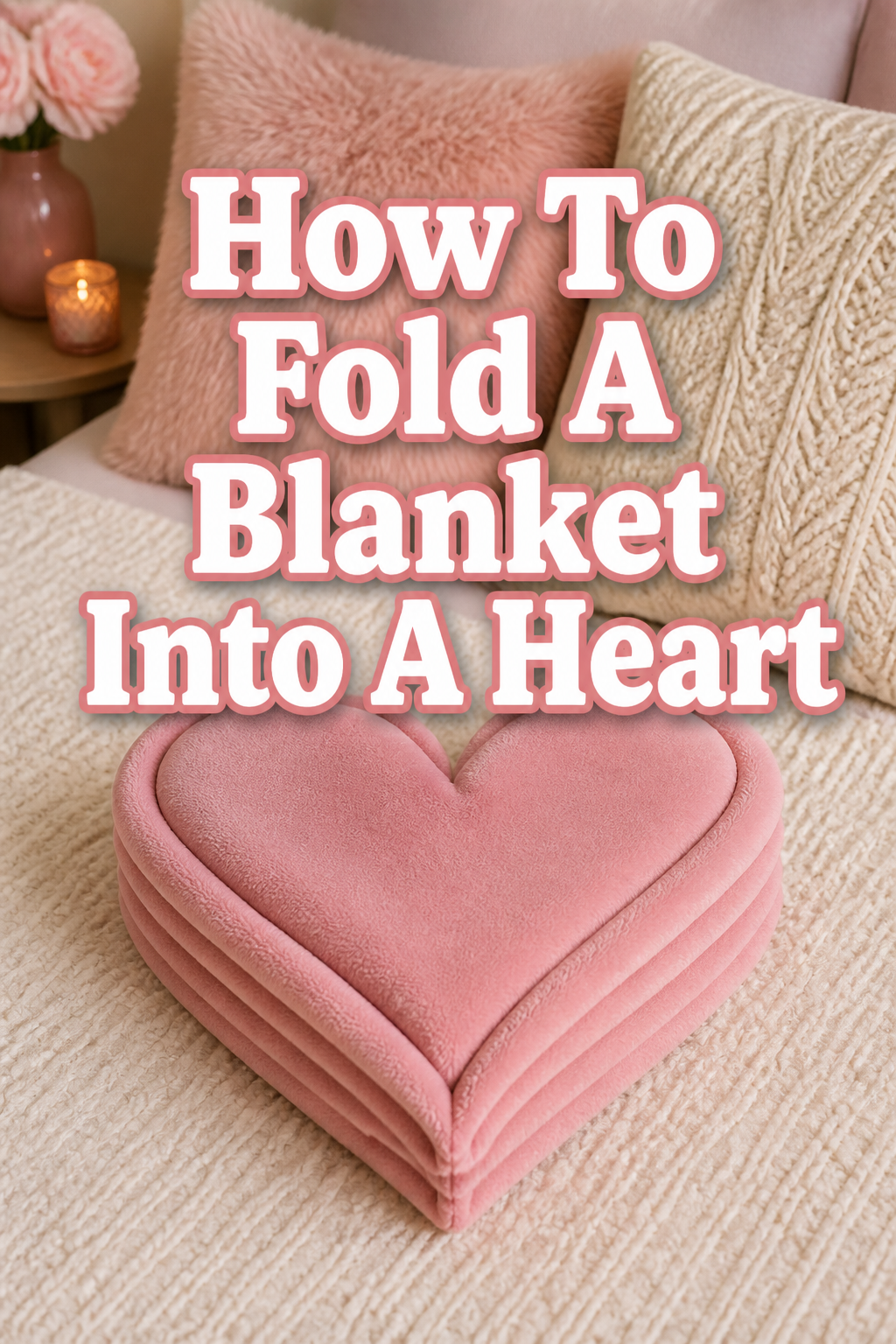
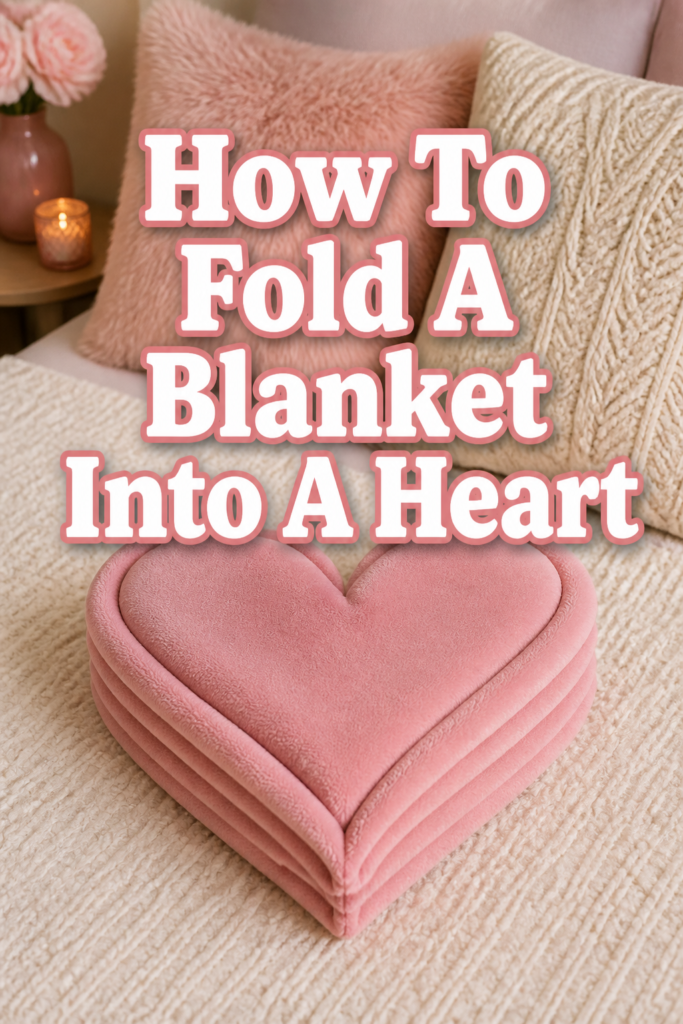
❤️ How To Fold A Blanket Into A Heart
Beginner-friendly templates, step-by-step guides,
and weekly project ideas in your inbox.
Creating a cozy atmosphere often involves small, thoughtful gestures. Learning to fold a blanket into a heart shape is one such simple, yet impactful way to add warmth and love to any room. It’s perfect for surprising a loved one, decorating a bed, or simply bringing a smile to your own face.
I’ve personally used this technique countless times to add a special touch to guest rooms and even for romantic gestures. Trust me, the delight it brings is always worth the few minutes it takes. This guide will walk you through each step, making it easy to master this charming fold.
Quick Overview
This guide will show you how to transform an ordinary blanket into a beautiful heart shape, ready to adorn any space. You’ll achieve a neat, symmetrical heart with simple folding and shaping techniques. It’s a delightful way to express care or enhance your home decor.
- Time needed: 10-15 minutes (first attempt), 5 minutes (once mastered)
- Difficulty: Beginner
- What you’ll need: One soft, medium-sized blanket (fleece or knit works best), a flat surface.
Step-by-Step Instructions
Step 1: Prepare Your Workspace and Blanket
Clear a large, flat surface. This could be a bed, a clean floor, or a spacious table. Ensure you have enough room to spread your blanket out fully without obstructions.
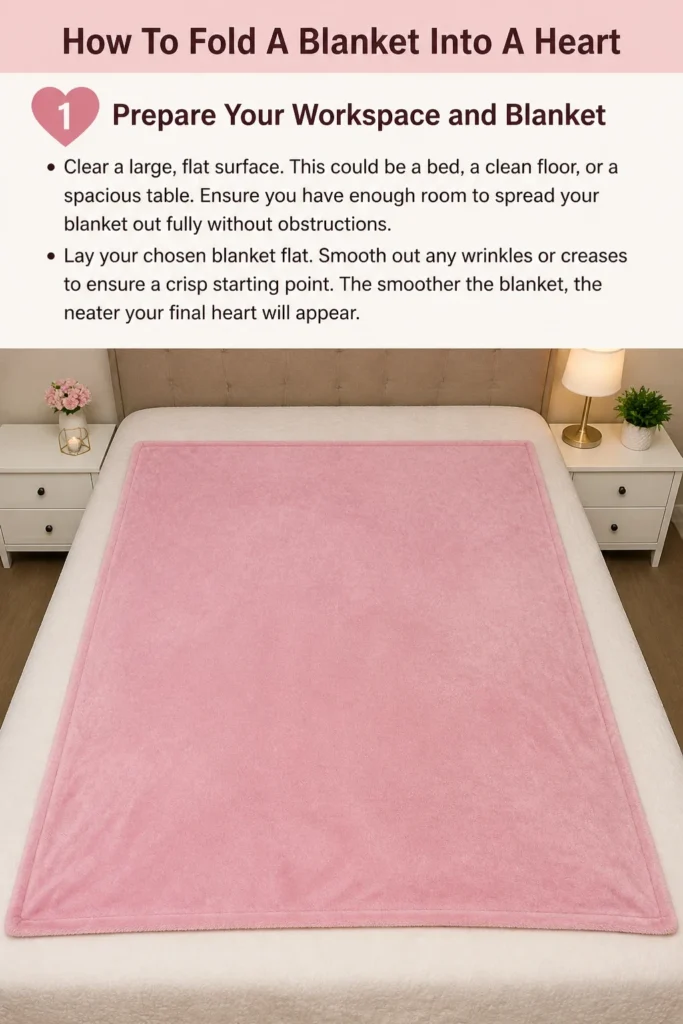
Lay your chosen blanket flat. Smooth out any wrinkles or creases to ensure a crisp starting point. The smoother the blanket, the neater your final heart will appear.
Step 2: Fold Lengthwise into a Long Rectangle
Take one long edge of your blanket and fold it towards the opposite long edge. Aim to create a long, narrow rectangle. The width of this rectangle will determine the size and plumpness of your heart.
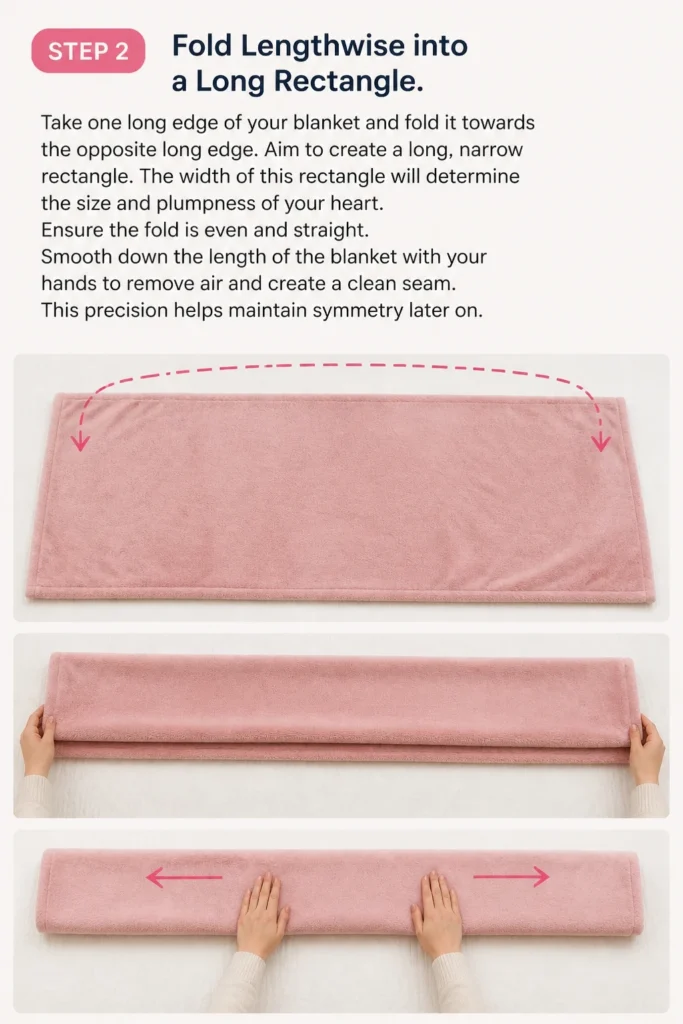
Ensure the fold is even and straight. Smooth down the length of the blanket with your hands to remove air and create a clean seam. This precision helps maintain symmetry later on.
Step 3: Create a Tighter Strip
Fold the blanket in half again lengthwise. You now have a much narrower strip, roughly a quarter of the blanket’s original width. This compact form is essential for the rolling process.
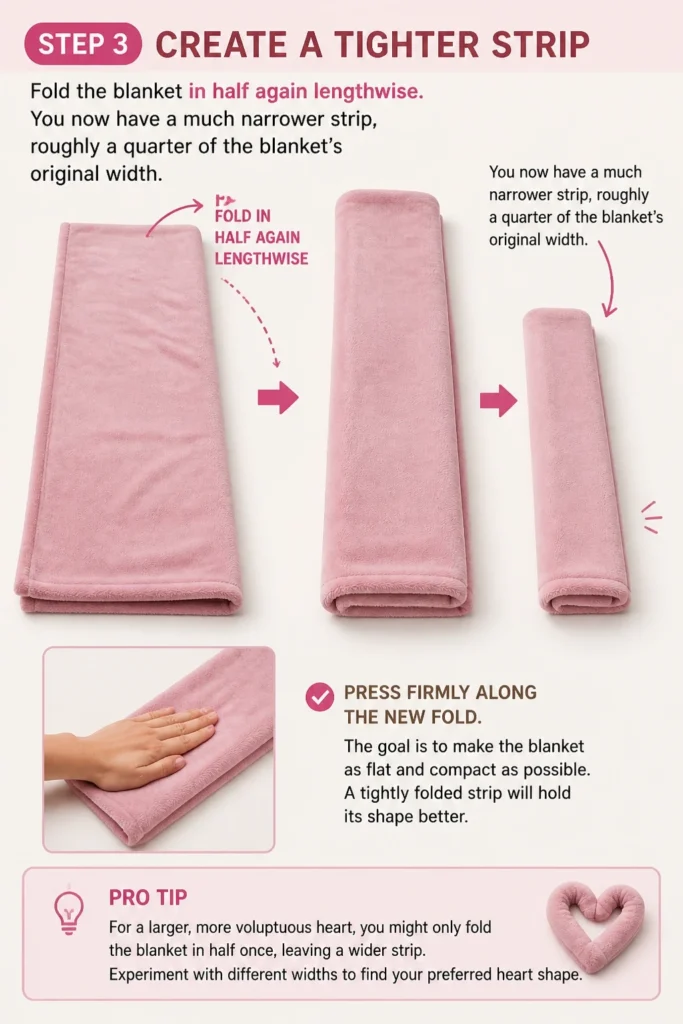
Press firmly along the new fold. The goal is to make the blanket as flat and compact as possible. A tightly folded strip will hold its shape better.
Pro Tip: For a larger, more voluptuous heart, you might only fold the blanket in half once, leaving a wider strip. Experiment with different widths to find your preferred heart shape.
Step 4: Roll Both Ends Inward
Position the folded strip horizontally in front of you. Imagine the center point of the strip. You will now roll both ends towards this center.
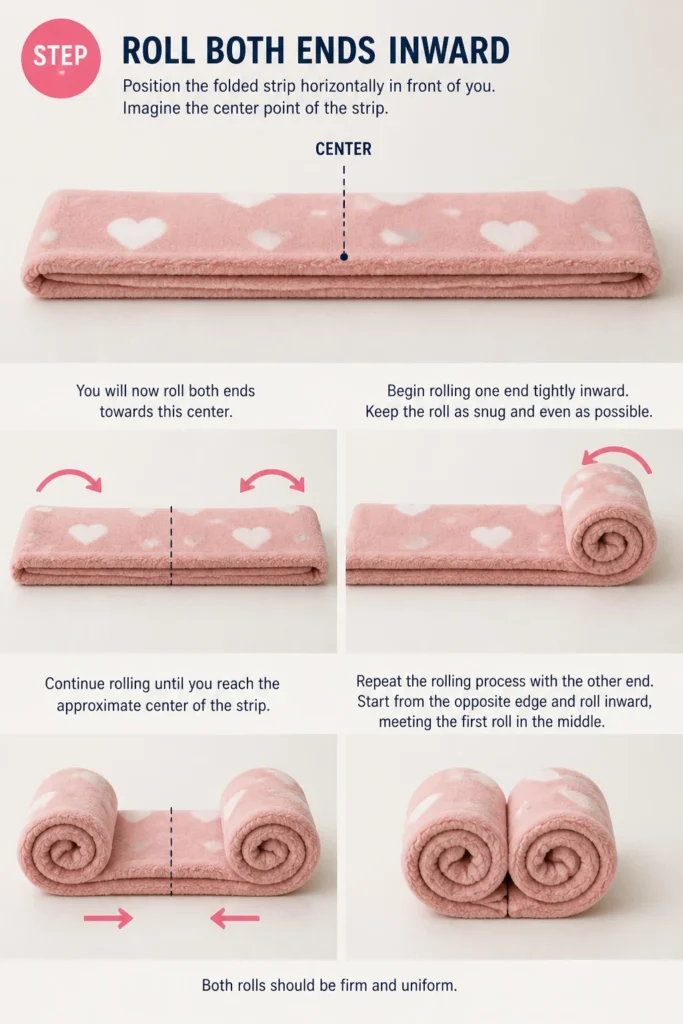
Begin rolling one end tightly inward. Keep the roll as snug and even as possible. Continue rolling until you reach the approximate center of the strip.
Repeat the rolling process with the other end. Start from the opposite edge and roll inward, meeting the first roll in the middle. Both rolls should be firm and uniform.
Step 5: Form the Top Curves of the Heart
Take one of the rolled ends. Gently bend it outward and then inward to start forming the top curve of the heart. The goal is to create a rounded “shoulder” for your heart.
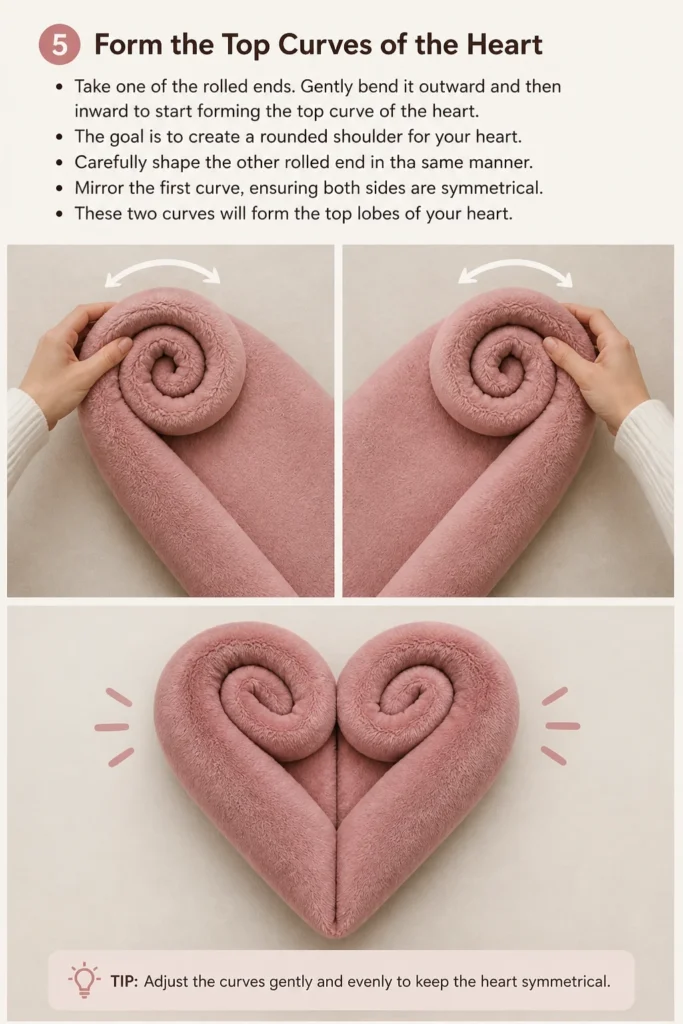
Carefully shape the other rolled end in the same manner. Mirror the first curve, ensuring both sides are symmetrical. These two curves will form the top lobes of your heart.
Step 6: Bring the Bottom Point Together
Look at the bottom of your two rolls, where they meet in the middle. Gently push this section inward and upward to create the distinct point of the heart. This action will naturally bring the two rolls closer at the bottom.
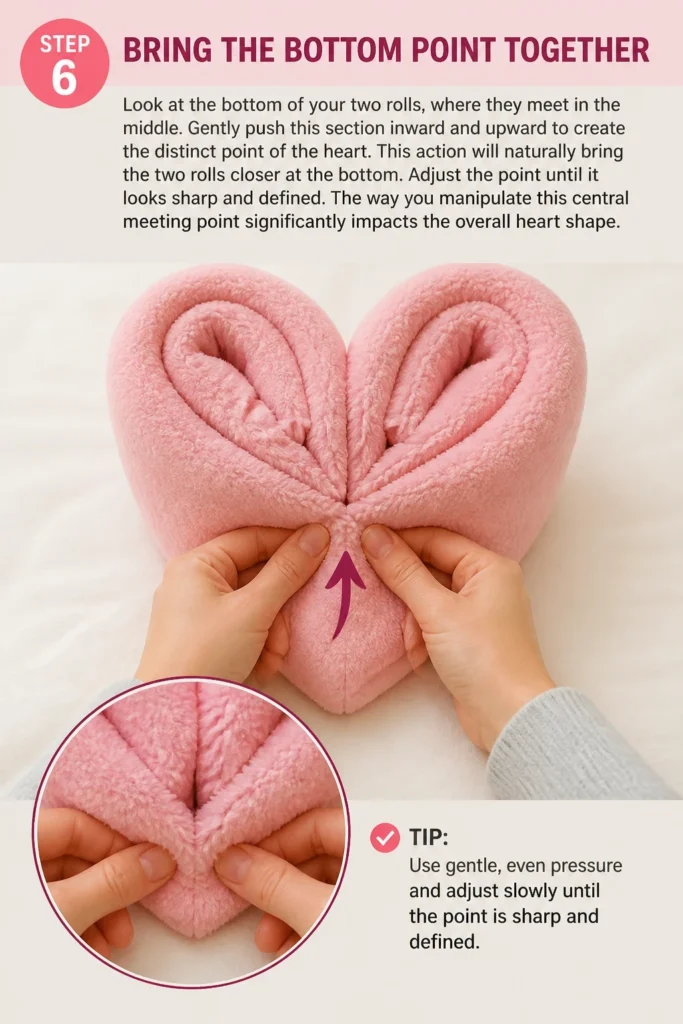
Adjust the point until it looks sharp and defined. The way you manipulate this central meeting point significantly impacts the overall heart shape.
Step 7: Refine and Smooth the Shape
Stand back and observe your heart. Gently tug and smooth any uneven areas. The top curves should be rounded and soft, and the bottom point should be distinct.
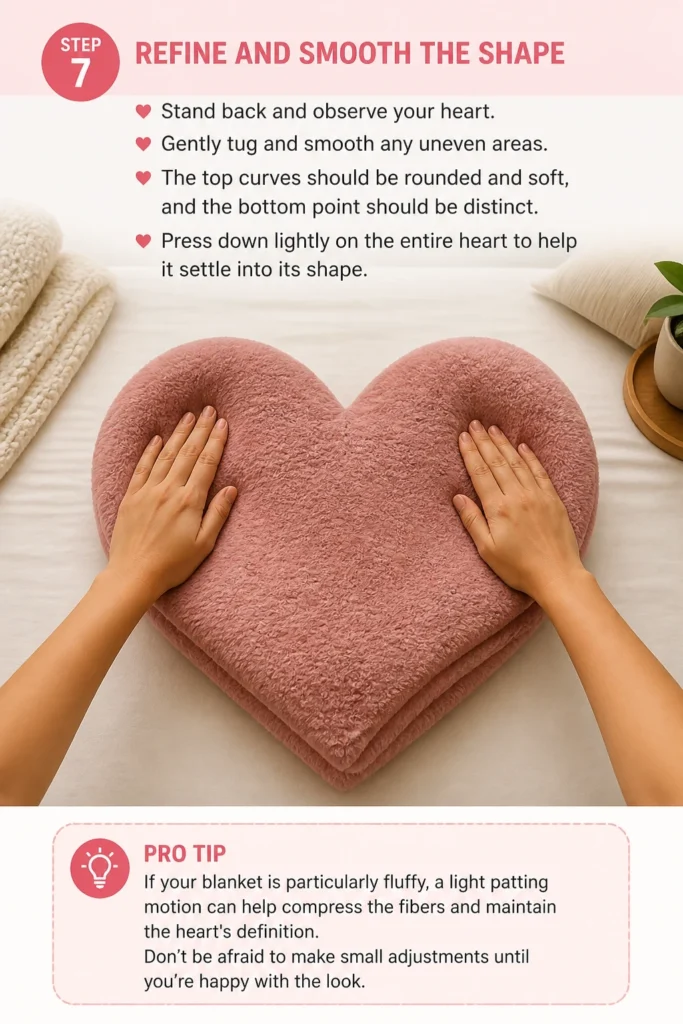
Press down lightly on the entire heart to help it settle into its shape. This gentle pressure can help meld the folds together, making the heart more stable.
Pro Tip: If your blanket is particularly fluffy, a light patting motion can help compress the fibers and maintain the heart’s definition. Don’t be afraid to make small adjustments until you’re happy with the look.
Step 8: Position and Display
Carefully lift your finished blanket heart. Place it on a bed, a sofa, a chair, or wherever you wish to display your thoughtful creation. Its presence instantly adds a touch of charm.
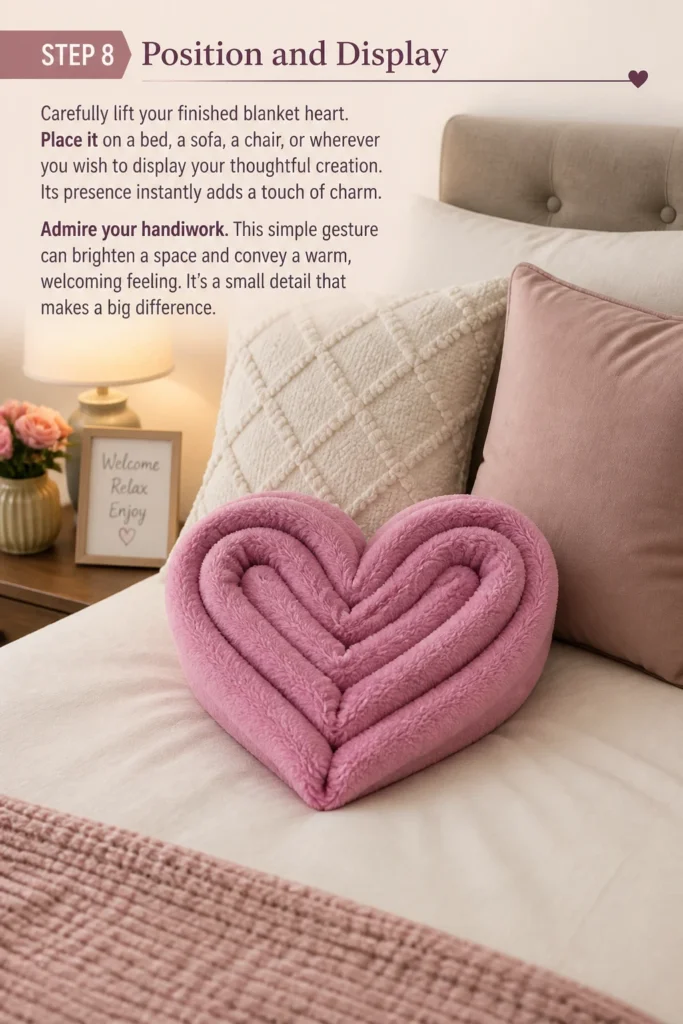
Admire your handiwork. This simple gesture can brighten a space and convey a warm, welcoming feeling. It’s a small detail that makes a big difference.
Common Mistakes to Avoid
Using the Wrong Blanket Material or Size
Some blankets are simply not ideal for holding a crisp fold. Very thin, silky blankets tend to slip, making it hard to create defined shapes. Similarly, overly thick or stiff blankets can be difficult to roll tightly, resulting in a bulky, undefined heart. Choose a medium-weight fleece, knit, or cotton throw for the best results.
Not Folding Tightly Enough
A loose initial fold or a sloppy roll will lead to a heart that quickly unravels or sags. The key to a stable heart is to ensure each fold and roll is as tight and compact as possible. Take your time to smooth out air and press down firmly at each stage.
Rushing the Shaping Process
The final shaping steps are crucial for achieving a recognizable heart. Rushing this part often results in an asymmetrical or lopsided shape. Be patient and make small, deliberate adjustments to the curves and the point until you are satisfied with the symmetry and overall form.
Ignoring the Flat Surface
Attempting to fold a blanket into a heart on an uneven or cluttered surface makes the entire process more challenging. A flat, clear surface provides the necessary support for crisp folds and allows you to clearly see and adjust your work as you go. It ensures a professional-looking finish.
Troubleshooting
Heart Isn’t Symmetrical
If your heart looks lopsided, the issue usually stems from uneven rolling or shaping of the top curves. Gently unroll the top sections slightly and re-shape them, paying close attention to mirroring each side. Ensure your initial lengthwise folds were perfectly even. A ruler can even help guide your initial folds for perfect symmetry.
Blanket Unravels or Doesn’t Hold Shape
This often means the blanket wasn’t rolled tightly enough in Step 4. Unfold the blanket back to the long strip and re-roll both ends more firmly. You can also try using a slightly heavier blanket material that has more natural ‘grip’ to itself, preventing slippage. A very light blanket may need a little extra tucking.
Folds Look Messy or Bulky
Bulky folds typically occur when there’s too much material or not enough compression. Ensure you’ve smoothed out all air during each folding step. If your blanket is very thick, you might need to adjust the initial strip width, perhaps folding it into a narrower strip to reduce bulk, or choose a thinner blanket altogether. Pressing down firmly after each fold also helps.
Key Takeaways
- Choose the Right Blanket: A medium-weight, pliable material like fleece or a soft knit works best for holding shape.
- Precision is Key: Straight, tight folds and rolls are essential for a defined and stable heart shape.
- Patience in Shaping: Take your time to gently mold the top curves and bottom point for perfect symmetry.
- Flat Surface Advantage: Always work on a clear, flat area to ensure clean folds and easy adjustments.
- Practice Makes Perfect: Don’t get discouraged if your first attempt isn’t flawless; each try builds your skill.
- It’s the Thought: Regardless of perfection, a handmade blanket heart is a wonderful gesture of care.
Frequently Asked Questions
What blanket size is best for a heart fold?
A standard throw blanket (around 50×60 inches or 127×152 cm) is ideal. It provides enough material to create a good-sized heart without being overly bulky or too small to manipulate. Larger blankets can be used but may result in a very big heart or require more folding.
Can I use any blanket material?
While many materials work, soft fleece, knit, or cotton throws are highly recommended. They offer enough friction to hold folds and are pliable enough to shape easily. Avoid very slippery materials like silk or satin, as they tend to unravel, and extremely stiff materials, which are hard to roll.
How do I make the heart stay in shape for longer?
The best way to ensure stability is by making very tight, firm folds and rolls during the creation process. For display, placing the heart on a flat, stable surface like a bed or a sofa cushion helps. Some people even lightly spray the underside with fabric stiffener if it’s purely for decorative purposes and won’t be used for warmth.
Can children help with this craft?
Absolutely! Folding a blanket heart is a wonderful activity for children, especially older kids, to practice fine motor skills and spatial reasoning. They can help with the initial folding and rolling, and you can guide them with the final shaping. It’s a fun way to create a thoughtful gift together.
Our Top Recommended Finds
- Soft Fleece Throw Blanket: Incredibly versatile, easy to fold, and comes in many colors. Perfect for this project.
- Weighted Blanket: While heavier, a smaller weighted blanket can create a very stable and impressive heart, though it requires more effort to fold.
- Decorative Throw Pillows: These are ideal for complementing your blanket heart, adding another layer of comfort and style to your display.
Crafting Comfort, One Fold at a Time
You’ve now learned how to transform a simple blanket into a symbol of affection and coziness. This small act of folding can bring so much joy, whether it’s a personal touch for your home or a sweet surprise for someone special. It shows care and attention to detail, making any space feel more inviting.
Don’t hesitate to experiment with different blankets and sizes. Each attempt will make you more confident and skilled. Go ahead, gather your favorite blanket, and create a beautiful heart today. Your space, and perhaps someone’s day, will be a little brighter for it.
Beginner-friendly templates, step-by-step guides,
and weekly project ideas in your inbox.