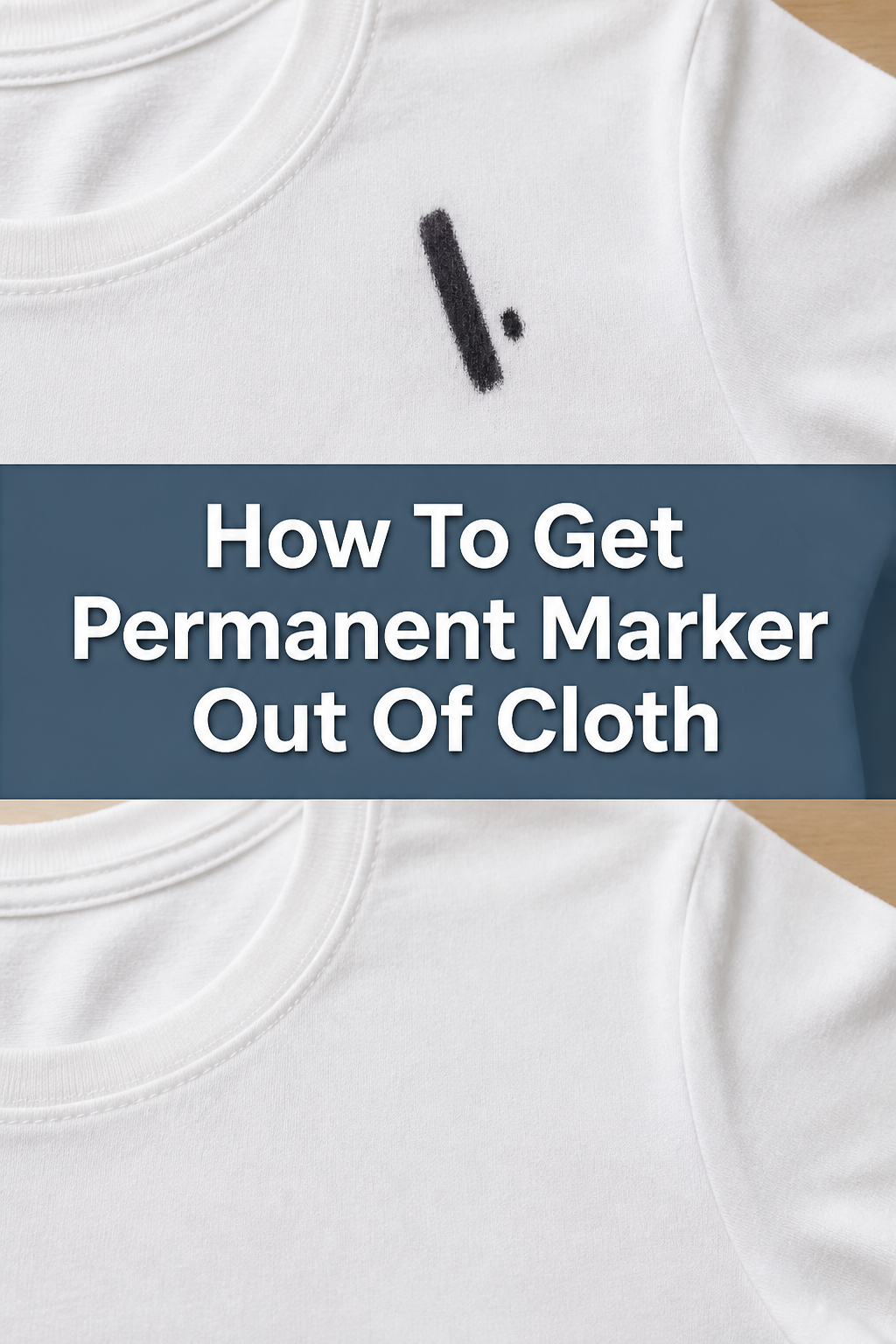
🖊️ How To Get Permanent Marker Out Of Cloth

Beginner-friendly templates, step-by-step guides,
and weekly project ideas in your inbox.
Finding a permanent marker stain on your favorite shirt can feel like a disaster.
I’ve been there, staring at a bold, dark mark, convinced the garment was ruined forever.
But through trial and error, I discovered effective methods to bring clothes back to life, and I’m here to share those proven strategies with you.
Quick Overview
This guide will show you how to tackle stubborn permanent marker stains using common household items and specific techniques.
You’ll gain the knowledge to save your cherished fabrics from what seems like irreversible damage, restoring them to their original condition.
- Time needed: 15-60 minutes (depending on stain size and age)
- Difficulty: Beginner to Intermediate
- What you’ll need: Rubbing alcohol, hand sanitizer, hairspray, white vinegar, dish soap, clean cloths, paper towels, an old toothbrush, and laundry detergent.
Step-by-Step Instructions
Step 1: Act Quickly and Prepare the Area
Respond immediately to the stain. Fresh permanent marker marks are always significantly easier to remove than those that have set over time.
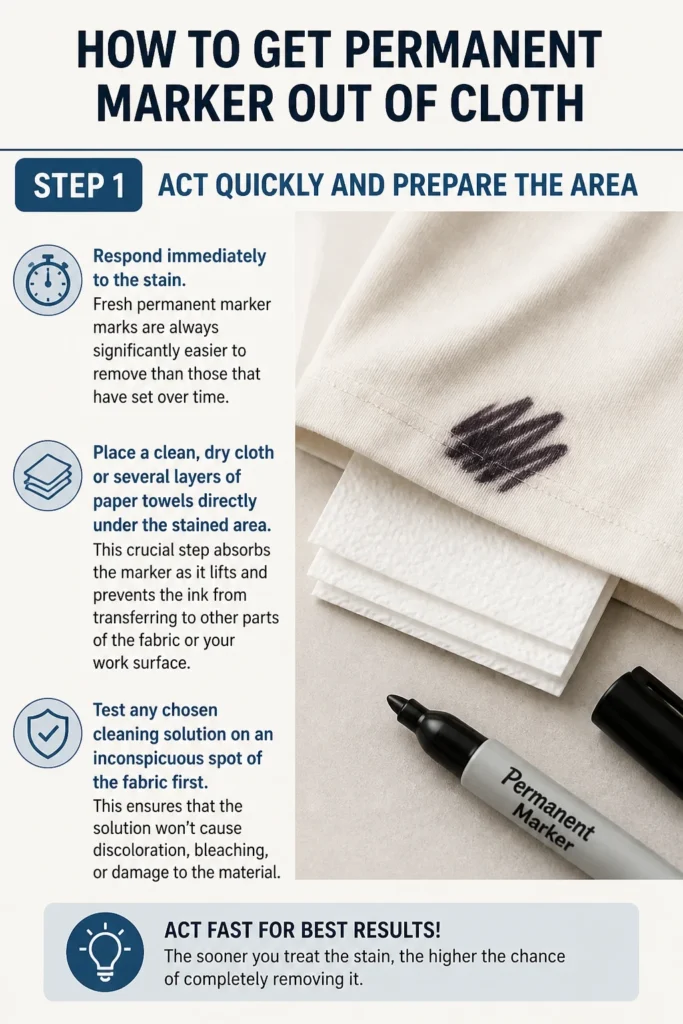
Place a clean, dry cloth or several layers of paper towels directly under the stained area. This crucial step absorbs the marker as it lifts and prevents the ink from transferring to other parts of the fabric or your work surface.
Test any chosen cleaning solution on an inconspicuous spot of the fabric first. This ensures that the solution won’t cause discoloration, bleaching, or damage to the material.
Step 2: Choose Your Weapon (Solvent)
Identify the most suitable solvent for your specific fabric type and the age of the stain. Isopropyl rubbing alcohol, commonly found in most homes, is often the first and most effective choice for dissolving permanent ink.
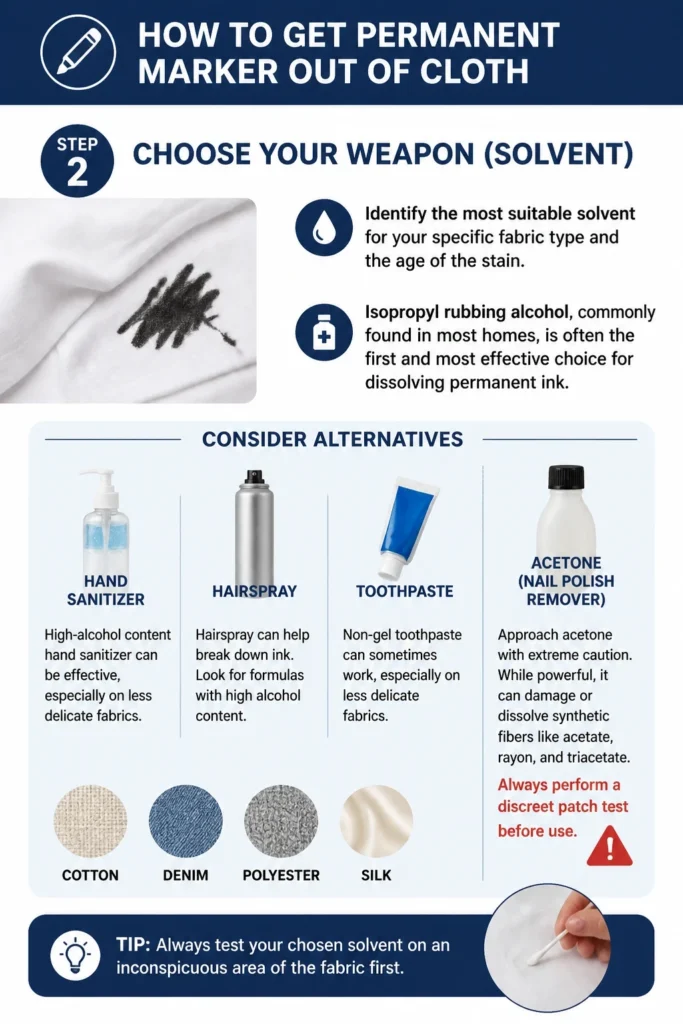
Consider alternatives if rubbing alcohol isn’t immediately available or if the stain is particularly stubborn. High-alcohol content hand sanitizer, hairspray, or even non-gel toothpaste can sometimes work, especially on less delicate fabrics.
Approach acetone (nail polish remover) with extreme caution. While powerful, it can damage or dissolve synthetic fibers like acetate, rayon, and triacetate, so always perform a discreet patch test before use.
Step 3: Apply the Solvent
Dampen a clean white cloth, cotton ball, or cotton swab with your chosen solvent. Avoid pouring the solvent directly onto the stain, as this can cause the ink to spread rapidly and make the problem worse.
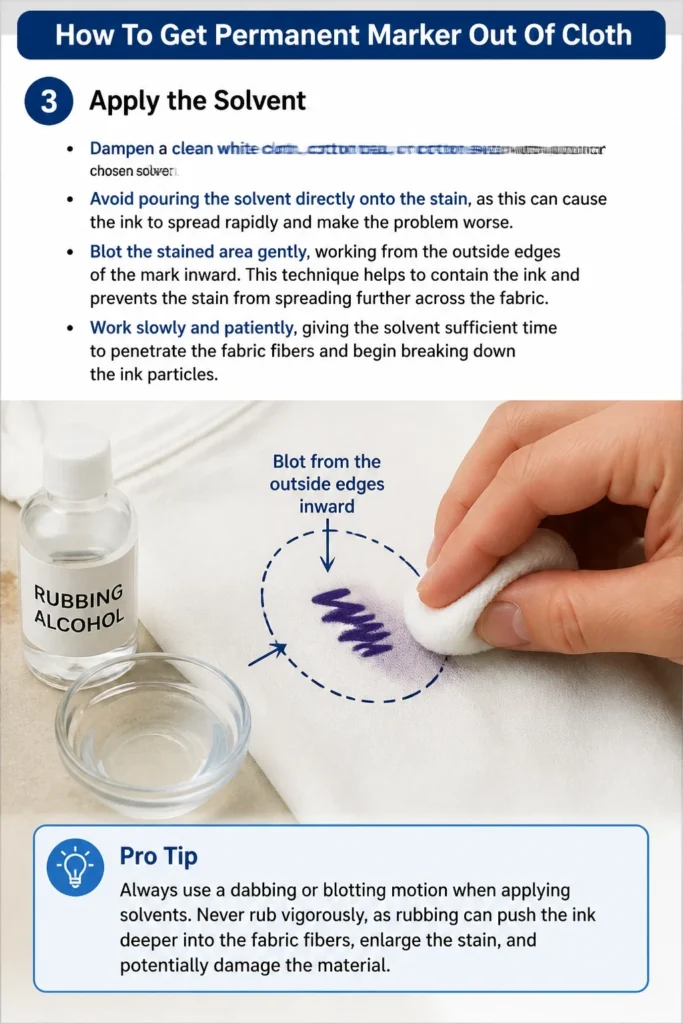
Blot the stained area gently, working from the outside edges of the mark inward. This technique helps to contain the ink and prevents the stain from spreading further across the fabric.
Work slowly and patiently, giving the solvent sufficient time to penetrate the fabric fibers and begin breaking down the ink particles.
Pro Tip: Always use a dabbing or blotting motion when applying solvents. Never rub vigorously, as rubbing can push the ink deeper into the fabric fibers, enlarge the stain, and potentially damage the material.
Step 4: Keep Blotting and Refreshing
Continue blotting the stain with fresh sections of the solvent-dampened cloth. As the cloth picks up ink, you must switch to a clean part of the cloth to avoid re-depositing the marker back onto the fabric.
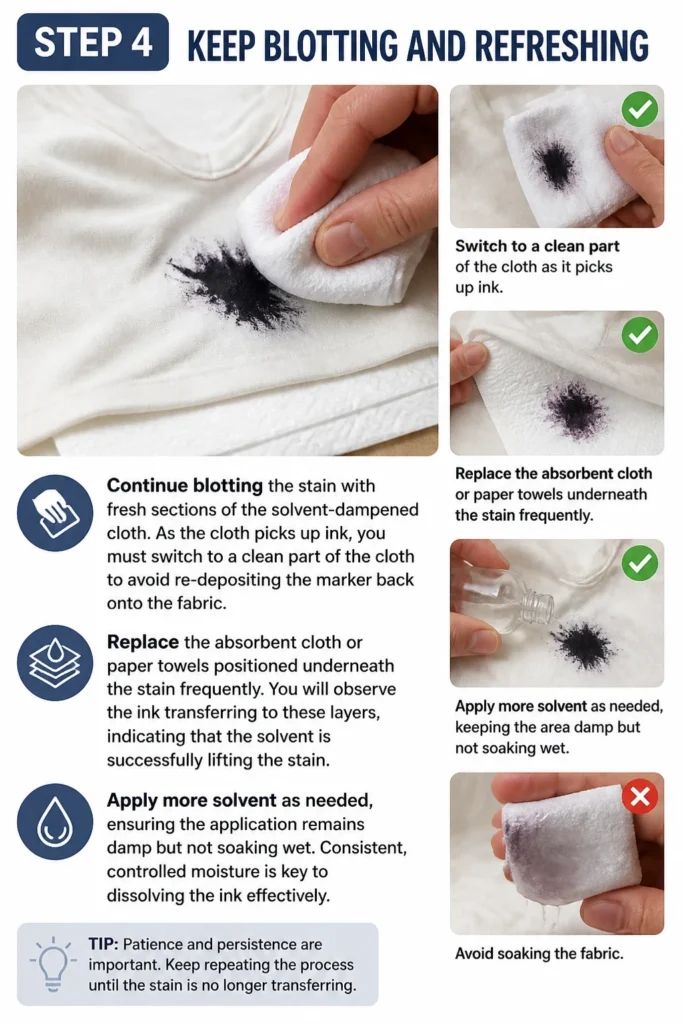
Replace the absorbent cloth or paper towels positioned underneath the stain frequently. You will observe the ink transferring to these layers, indicating that the solvent is successfully lifting the stain.
Apply more solvent as needed, ensuring the application remains damp but not soaking wet. Consistent, controlled moisture is key to dissolving the ink effectively.
Step 5: Rinse and Assess
Rinse the treated area thoroughly with cold water. This step helps to flush out any remaining ink particles and remove residual solvent from the fabric.
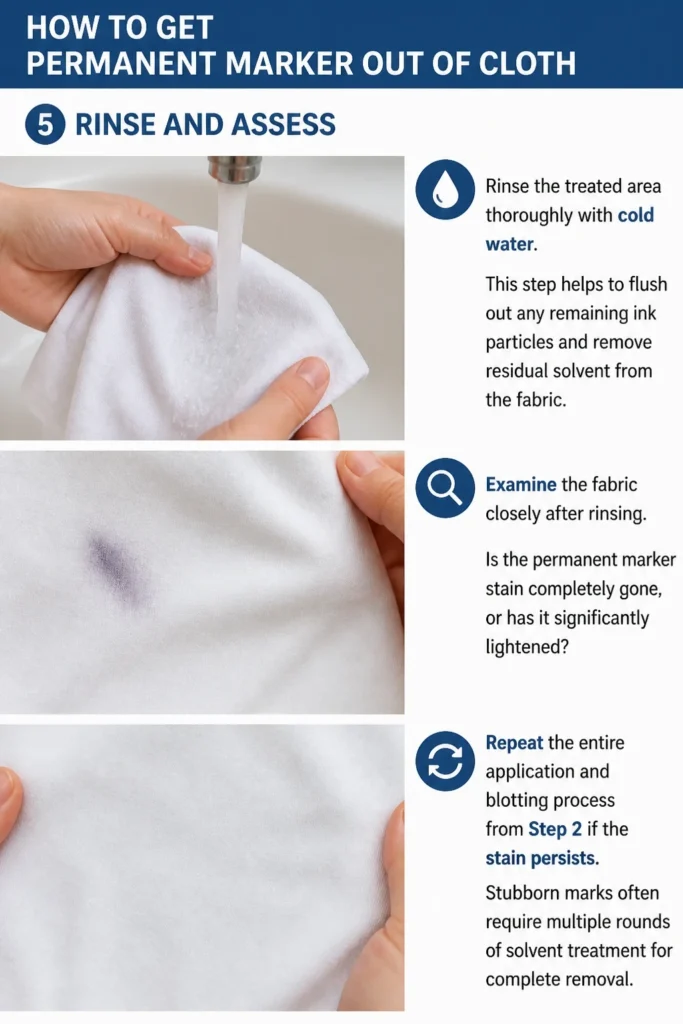
Examine the fabric closely after rinsing. Is the permanent marker stain completely gone, or has it significantly lightened?
Repeat the entire application and blotting process from Step 2 if the stain persists. Stubborn marks often require multiple rounds of solvent treatment for complete removal.
Step 6: Pre-Treat with Laundry Detergent
Apply a small amount of liquid laundry detergent directly to any remaining faint stain. Choose a detergent that is specifically formulated for stain removal to maximize effectiveness.
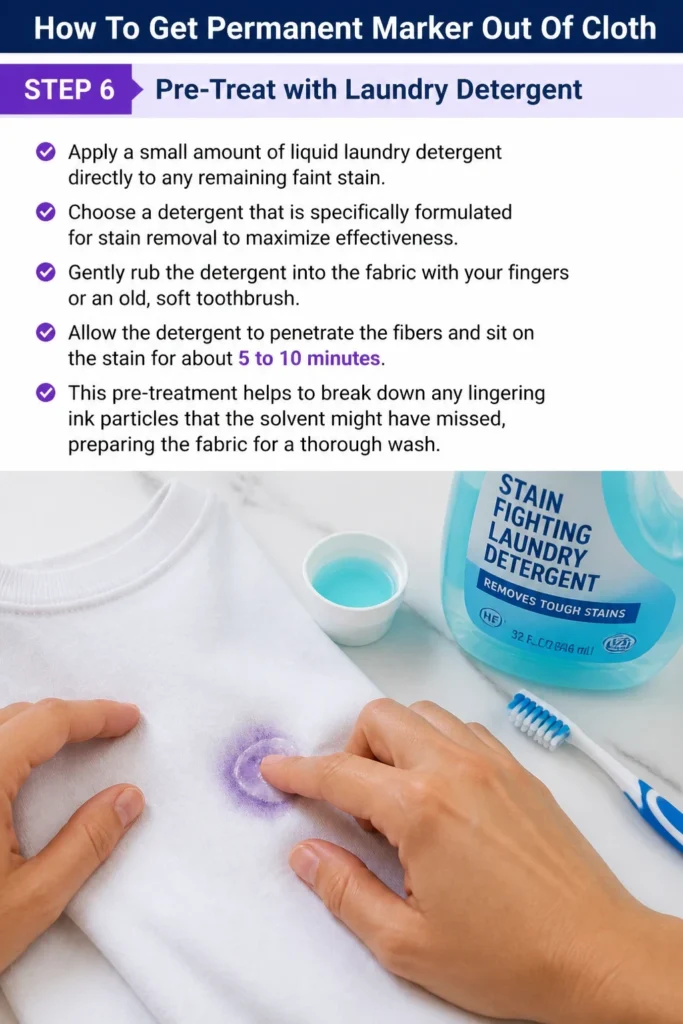
Gently rub the detergent into the fabric with your fingers or an old, soft toothbrush. Allow the detergent to penetrate the fibers and sit on the stain for about 5 to 10 minutes.
This pre-treatment helps to break down any lingering ink particles that the solvent might have missed, preparing the fabric for a thorough wash.
Step 7: Wash the Garment
Wash the item according to its care label instructions. Use the warmest water setting that is safe for the specific fabric type to aid in stain removal.
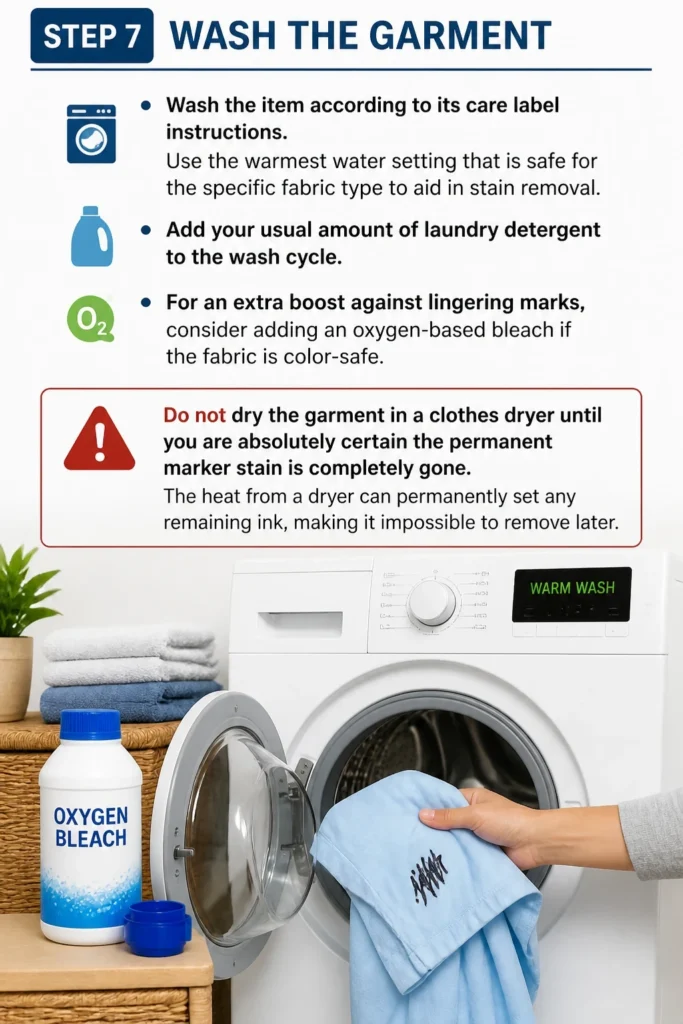
Add your usual amount of laundry detergent to the wash cycle. For an extra boost against lingering marks, consider adding an oxygen-based bleach if the fabric is color-safe.
Do not dry the garment in a clothes dryer until you are absolutely certain the permanent marker stain is completely gone. The heat from a dryer can permanently set any remaining ink, making it impossible to remove later.
Step 8: Air Dry and Re-evaluate
Hang the garment to air dry completely. Air drying allows you to inspect the treated area thoroughly once the fabric is dry.
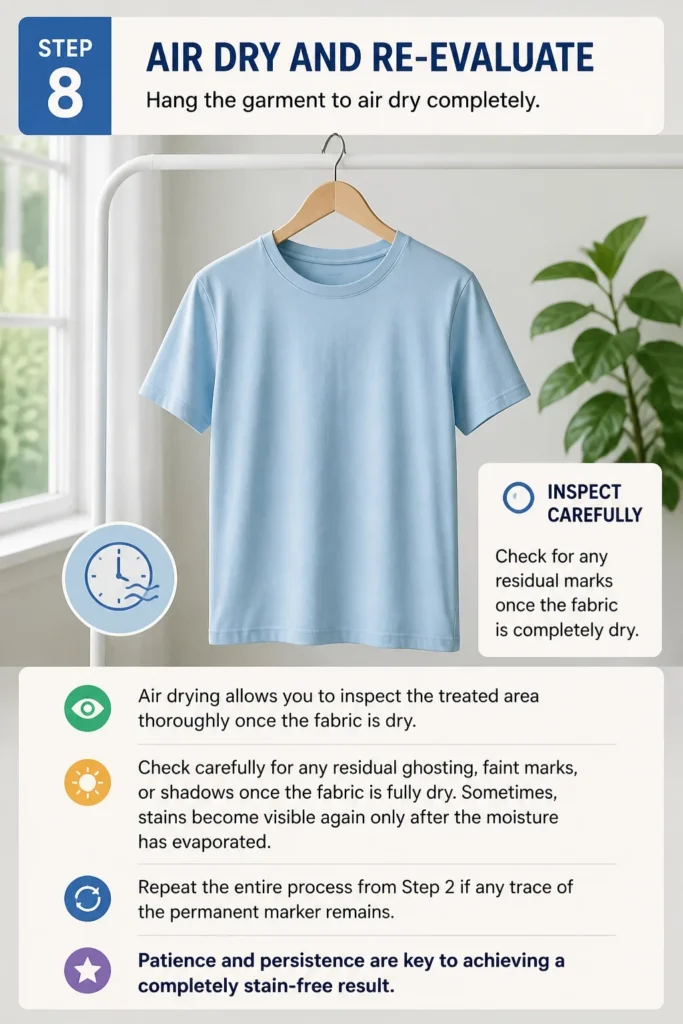
Check carefully for any residual ghosting, faint marks, or shadows once the fabric is fully dry. Sometimes, stains become visible again only after the moisture has evaporated.
Repeat the entire process from Step 2 if any trace of the permanent marker remains. Patience and persistence are key to achieving a completely stain-free result.
Common Mistakes to Avoid
Rubbing the Stain Vigorously
Rubbing aggressively can push the permanent marker ink deeper into the fabric fibers, embedding it more firmly. This action also spreads the stain, making it larger and significantly harder to remove.
Always use a gentle blotting or dabbing motion to lift the ink out of the fabric. This technique draws the ink away from the material rather than forcing it further in.
Using Heat Before Stain Removal
Applying heat to a permanent marker stain, whether from a clothes dryer, an iron, or hot water, can permanently set the ink. Once heat-set, a permanent marker stain becomes almost impossible to remove.
Always air dry the garment until you are completely confident that the stain is gone. This precaution ensures you don’t inadvertently make the problem irreversible.
Ignoring Fabric Type
Not all fabrics react the same way to various solvents. Strong solvents like acetone can dissolve synthetic fibers such as acetate or rayon, or strip color from delicate materials.
Always test any cleaning solution on an inconspicuous area of the fabric first. This crucial step helps prevent irreversible damage or discoloration to your garment.
Over-saturating the Fabric
Pouring too much solvent directly onto the stain can cause the ink to spread rapidly, creating a larger problem. It also makes the fabric overly wet, potentially damaging the material or leaving an undesirable residue.
Apply solvent sparingly to a clean cloth or cotton ball, and then gently blot the stain. Controlled application is more effective and safer for your garment.
Troubleshooting
Stain Spreading
If the permanent marker stain starts to spread, you might be using too much solvent or rubbing instead of blotting. Re-evaluate your technique to ensure you are gently dabbing the stain.
Ensure you are using a clean absorbent cloth or paper towels underneath the stain, and always work from the outside edge of the stain inward. Switch to smaller, more controlled applications of solvent to manage the spread.
Faint Shadow Remaining
Sometimes, even after multiple treatments, a faint shadow or ghost of the stain may persist. This often indicates that further, repeated treatments are necessary.
Try a different solvent or a combination of methods, such as applying a paste of baking soda and white vinegar for a short period. Always ensure you pre-treat with liquid laundry detergent before re-washing the garment.
Fabric Discoloration
If the fabric discolors or changes texture, it means the solvent used was too strong or incompatible with the fabric’s dye or material. Immediately rinse the affected area with cold water to dilute the chemical.
Unfortunately, dye damage can be difficult to reverse, highlighting the critical importance of performing a discreet patch test on an hidden spot before applying any solution to the main stain.
Key Takeaways
- Act fast: Fresh permanent marker stains are significantly easier to remove than old ones.
- Always blot, never rub: Rubbing spreads the stain and pushes ink deeper into the fabric.
- Test solutions first: Prevent damage or discoloration by always spot-testing solvents on an inconspicuous area.
- Use an absorbent barrier: Place a clean cloth or paper towels underneath the stain to absorb lifted ink.
- Avoid heat until clean: Heat can permanently set the permanent marker stain, making it irreversible.
- Persistence pays off: Multiple treatments may be necessary for stubborn marks to achieve complete removal.
Frequently Asked Questions
Can I use hairspray to remove permanent marker?
Yes, many hairsprays contain alcohol, which can act as an effective solvent to break down permanent marker ink. Apply it to a clean cloth and blot the stain, following the same steps as you would with rubbing alcohol.
For the best results, always check the hairspray’s ingredients list for a high alcohol content before attempting stain removal.
What if the permanent marker stain is old?
Old permanent marker stains are considerably harder to remove but are not entirely impossible. You will likely need more patience and repeated applications of a strong solvent like rubbing alcohol.
For particularly stubborn old stains, you might also consider applying a paste of baking soda and white vinegar for an hour before repeating your solvent treatments.
Is acetone safe for all fabrics?
No, acetone, often found in many nail polish removers, is a very strong solvent that can dissolve or severely damage synthetic fabrics. These include materials like acetate, rayon, or triacetate.
It can also strip color from certain dyed natural fibers. Use it only on robust natural fibers such as cotton or linen, and always perform a discreet patch test first to confirm compatibility.
Can vinegar remove permanent marker?
White vinegar alone is generally not strong enough to effectively remove fresh permanent marker stains. Its acidity helps, but it lacks the solvent power of alcohol-based solutions.
However, vinegar can be useful as a follow-up rinse to neutralize odors or as part of a paste with baking soda to help lift residual marks. Rubbing alcohol or hand sanitizer are usually more effective primary solvents.
Our Top Recommended Finds
- Isopropyl Rubbing Alcohol: This is an essential first-line defense against permanent marker, readily available, and highly effective for dissolving ink.
- Microfiber Cleaning Cloths: Excellent for blotting and lifting stains without spreading, these cloths are also highly absorbent and reusable.
- Oxygen-Based Bleach (e.g., OxiClean): A powerful, color-safe additive for your wash cycle, it helps to eliminate any lingering traces of the stain and brightens fabrics.
Reclaim Your Clothes: A Stain-Free Future Awaits
Don’t let a permanent marker incident send your favorite clothing items to the discard pile prematurely.
With the right tools, a little patience, and the techniques outlined here, you have the power to reverse what often seems like irreversible damage.
Always remember to start with the least aggressive methods and gradually work your way up, continuously testing solutions first and blotting gently.
Take action on that stain today, and enjoy the immense satisfaction of saving your garments. You might even find yourself becoming the go-to stain removal expert among your friends and family!
Beginner-friendly templates, step-by-step guides,
and weekly project ideas in your inbox.