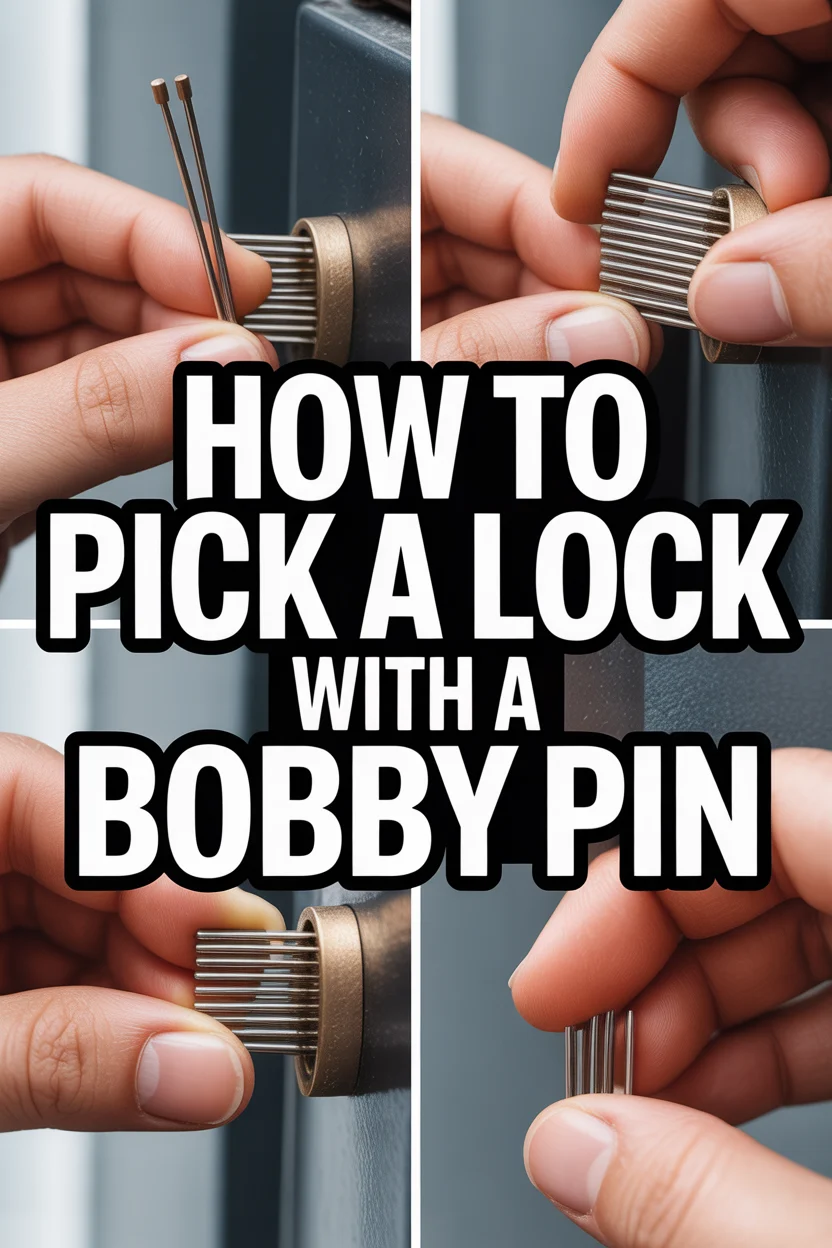
🔓 How To Pick A Lock With A Bobby Pin

Beginner-friendly templates, step-by-step guides,
and weekly project ideas in your inbox.
Getting locked out can be a genuinely frustrating experience.
I remember the first time I found myself in that predicament, staring at a locked door with no key in sight.
This guide draws from practical experience, offering clear, actionable steps to navigate such situations responsibly.

Quick Overview
This guide will equip you with the fundamental skills to manipulate a basic pin-tumbler lock using common household items.
You’ll learn the mechanics behind the lock and how to apply gentle precision to open it.
- Time needed: 15-60 minutes for initial learning and practice
- Difficulty: Intermediate
- What you’ll need: Two bobby pins, a basic pin-tumbler lock for practice
Step-by-Step Instructions
Step 1: Prepare Your Tools
Gather two standard bobby pins. One will become your pick, the other your tension wrench.
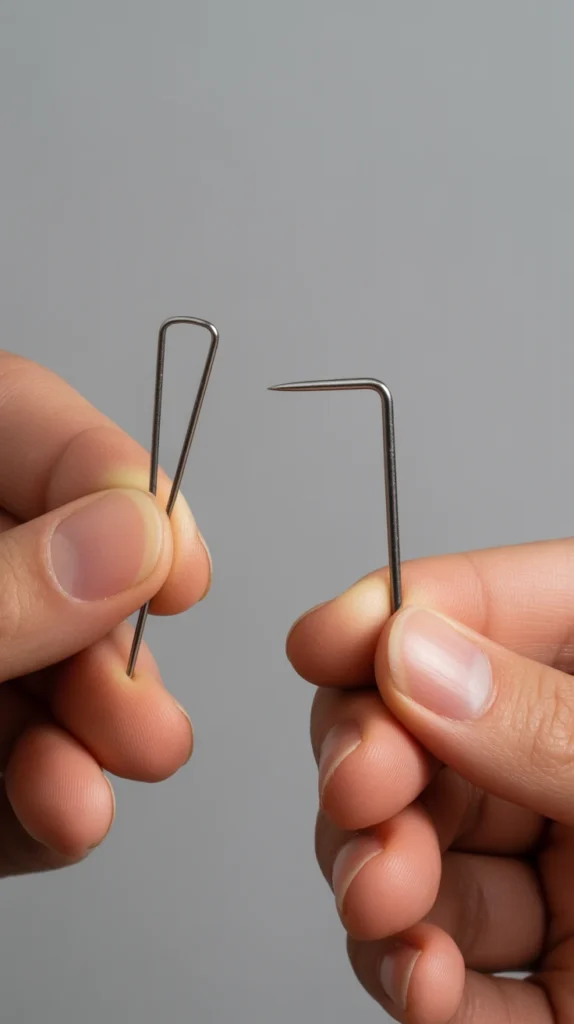
To make the tension wrench, straighten one bobby pin completely. Then, bend about a quarter-inch of one end at a 90-degree angle.
This L-shaped tool will apply rotational pressure to the lock cylinder.
Pro Tip: For the pick, straighten the second bobby pin and then bend the very tip (about 1/8 inch) slightly upwards, creating a small hook. This tiny hook is crucial for manipulating the pins inside the lock. You can also flatten this tip slightly with pliers if available, making it more rigid.
Step 2: Understand the Lock’s Anatomy
Before you begin, visualize the internal workings of a pin-tumbler lock. It contains a cylinder that rotates when the correct key is inserted.
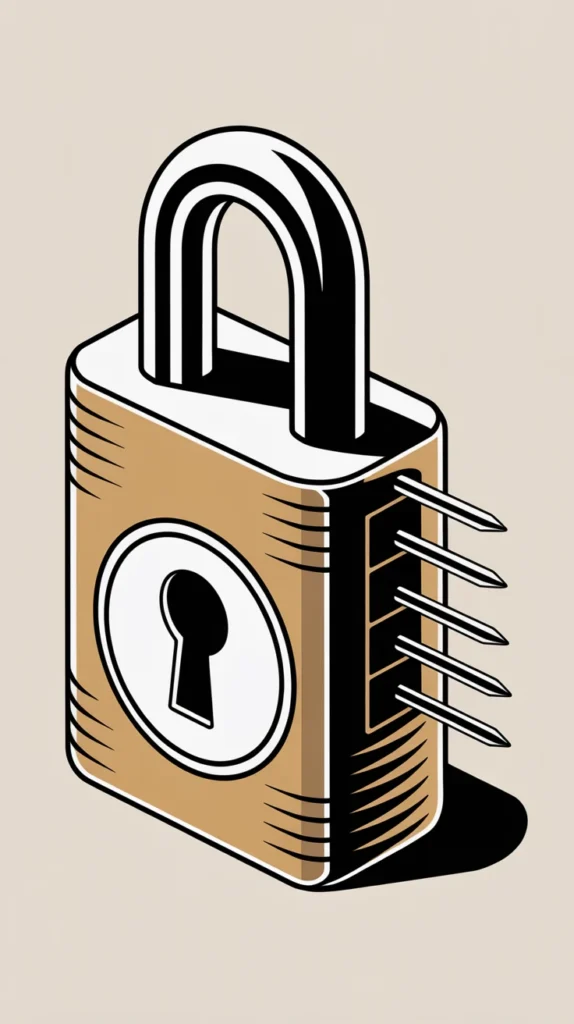
Inside the cylinder are several pairs of pins, divided by a “shear line.” When a key lifts these pins to precisely the shear line, the cylinder is free to turn.
Your goal is to mimic this action with your bobby pin pick.
Step 3: Insert the Tension Wrench
Slide your homemade tension wrench into the bottom of the keyway. This is where the key’s broad end would normally sit.
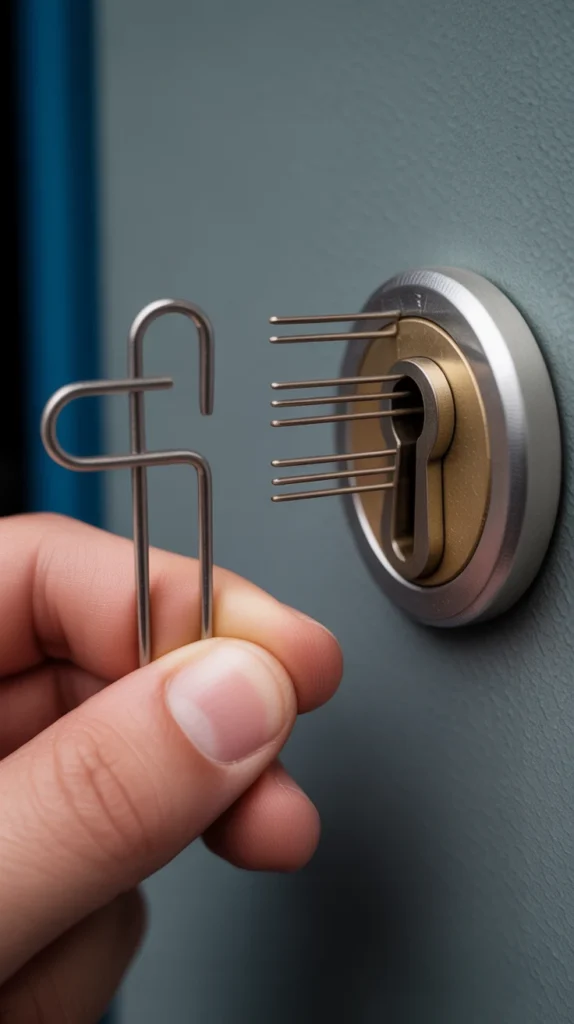
Gently apply slight, consistent rotational pressure in the direction you would turn the key to open the lock.
This pressure is critical; it creates a slight binding on the pins, allowing you to “set” them individually.
Pro Tip: The amount of tension is vital. Too much tension will bind all the pins too tightly, preventing movement. Too little, and the pins won’t set. Start with very light pressure, just enough to feel resistance. Imagine holding a small, delicate bird.
Step 4: Position Your Pick
Now, insert your hooked bobby pin pick into the top of the keyway, above the tension wrench.
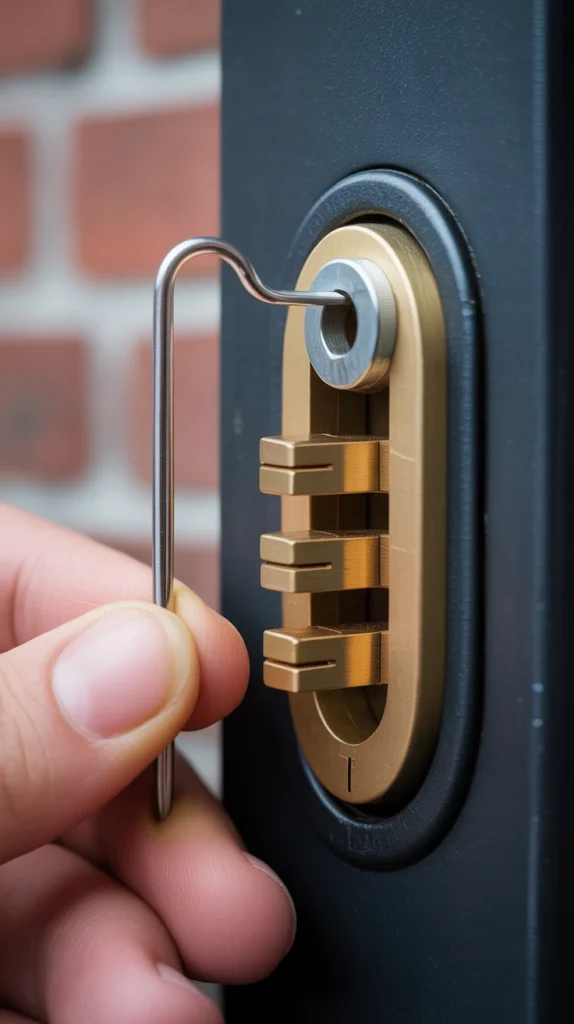
Slide it all the way to the back of the lock, feeling for the pins.
You should feel a series of small bumps; these are the bottom halves of the pin stacks.
Step 5: Find the Binding Pin
With light tension on the wrench, gently probe each pin with your pick. You’re looking for the “binding pin.”
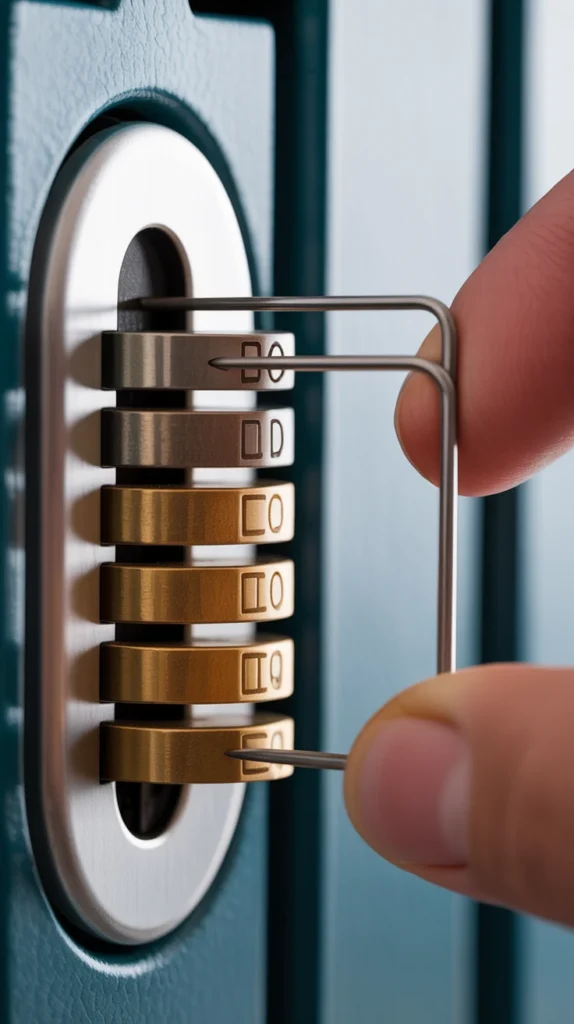
This is the pin that offers the most resistance or feels slightly stuck when you try to lift it.
The binding pin is the one currently holding the cylinder from turning.
Pro Tip: The binding order is not always sequential. It can vary each time you attempt to pick the lock. Feel for distinct feedback from each pin; some will feel springy, others solid. Focus on the solid ones first.
Step 6: Set the Pins
Once you identify a binding pin, carefully lift it with your pick.
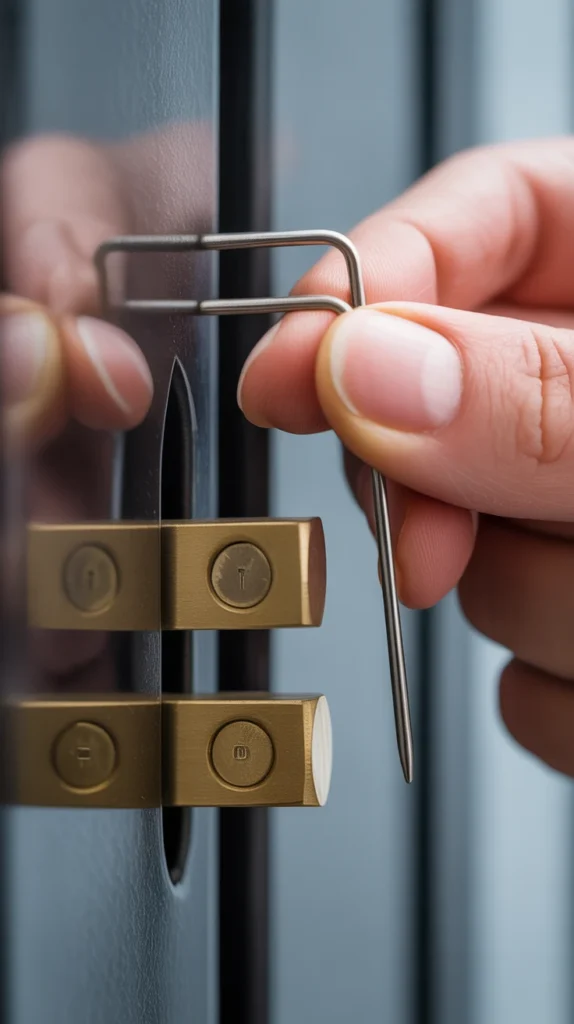
Apply just enough upward pressure to push the pin until you feel a tiny “click” or a slight give in the tension wrench. This indicates you’ve pushed the top and bottom pins apart at the shear line.
Once a pin is set, release pressure on that pin and move to the next binding pin.
Step 7: Cycle Through the Pins
Repeat the process of finding the next binding pin and setting it. As you set each pin, you might feel the cylinder give a tiny fraction of a turn.
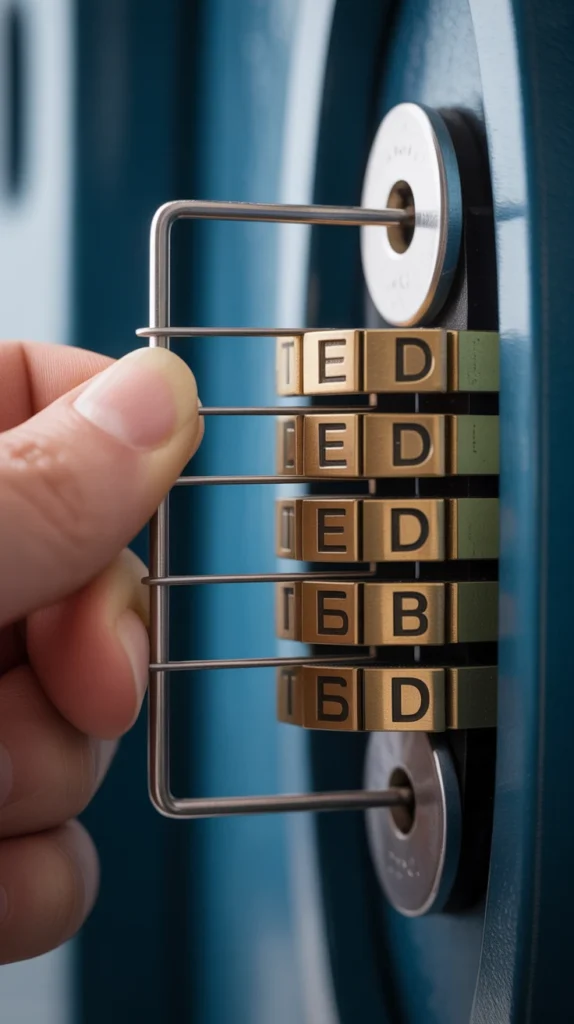
This slight rotation is often called “false set” and is a positive sign you are making progress.
Continue working through all the pins, one by one, until they are all set.
Pro Tip: If you lose track or feel like you’ve reset a pin, gently release some tension on the wrench and start over with identifying binding pins. Consistency in tension and careful lifting are your best allies. You are feeling for subtle changes.
Step 8: Turn the Lock
After you’ve successfully set all the pins, the lock cylinder should be free to turn.
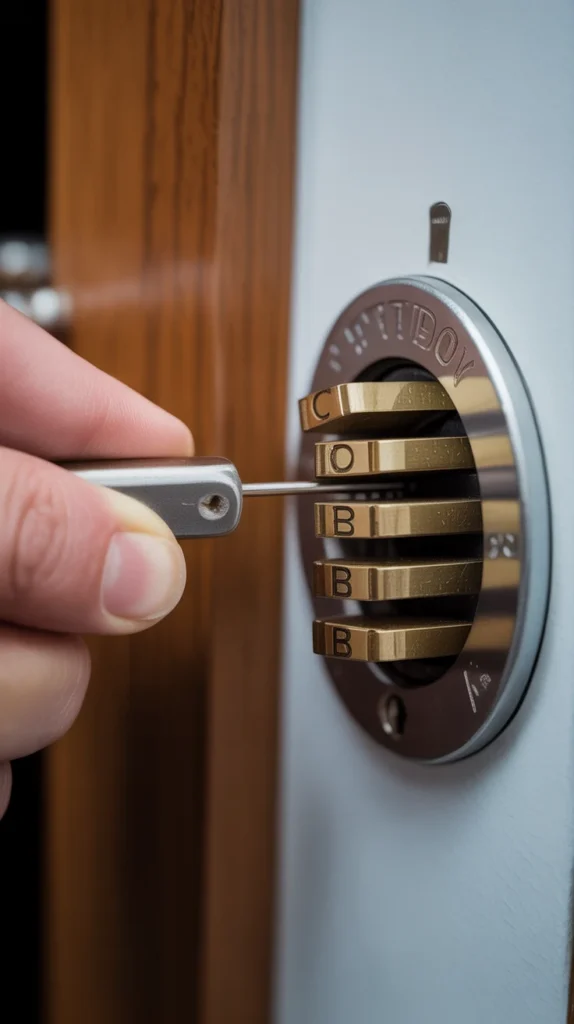
With the tension wrench, apply a slightly firmer, decisive turn in the opening direction.
The cylinder should rotate, and the lock will open.
Common Mistakes to Avoid
Applying Too Much Tension
Many beginners press too hard on the tension wrench. Excessive pressure binds all the pins tightly, making it impossible for them to move or for you to feel their individual positions.
Practice with very light, consistent pressure. The goal is to create just enough friction for a pin to “set” when lifted, not to jam the mechanism.
Forcing the Pins
Trying to force a pin up or down will not work and can damage your bobby pin pick or even the lock itself. Locks are precision mechanisms.
Each pin needs to be lifted gently and precisely to the shear line. If a pin feels stuck, it might not be the binding pin, or your tension is incorrect.
Incorrect Pick Shape
A poorly shaped bobby pin pick can make the job much harder. If the hook is too large, it might snag multiple pins.
If it’s too blunt, it won’t effectively lift the pins. Take your time to create a small, distinct hook that can easily manipulate individual pins.
Giving Up Too Soon
Lock picking requires patience and a good sense of touch. It’s rare to get it right on the first try, especially with a bobby pin.
Don’t get discouraged if the lock doesn’t open immediately. Take a break, reset your tools, and try again, focusing on the feedback from the pins.
Troubleshooting
Lock Won’t Turn After Setting Pins
If you’ve gone through all the pins and the lock still doesn’t turn, it’s likely that one or more pins have “fallen” or reset. This means they dropped back below the shear line.
Gently release some tension on the wrench to allow pins to reset naturally, then reapply light tension and start the binding pin search from the beginning. Sometimes, a “false set” can be lost if tension is too inconsistent.
Pins Feel Spongy or Undefined
When the pins feel mushy or you can’t distinguish individual clicks, your tension is probably off. Either you’re pressing too hard, binding everything, or too lightly, not creating enough friction for pins to set.
Adjust your tension wrench pressure incrementally. Try slightly lighter or slightly firmer tension until you start feeling distinct feedback from the pins.
Nothing Happens, No Feedback
If you’re getting no tactile feedback at all, ensure your pick is fully inserted and contacting the pins. Check your pick’s shape; it might be too flat or too large to get under the pins effectively.
Also, verify that your tension wrench is properly seated and applying rotational force. Sometimes, the angle of insertion can prevent proper contact with the lock’s internal components.
Key Takeaways
- Patience and a delicate touch are more effective than force.
- Consistent, light tension on the wrench is crucial for success.
- Listen and feel for subtle clicks and movements as pins set.
- Practice on a transparent practice lock to visualize the internal mechanics.
- The binding pin method is a fundamental technique for pin-tumbler locks.
- Understanding lock anatomy greatly improves your success rate.
Frequently Asked Questions
Is picking a lock with a bobby pin illegal?
Possessing lock picking tools, including modified bobby pins, is generally not illegal in itself. However, using them to open a lock that you do not own or have permission to open is illegal and can lead to severe penalties. Always ensure you have legitimate reasons and permission for any lock picking activities.
What types of locks can I pick with a bobby pin?
Bobby pins are most effective on basic pin-tumbler locks, commonly found on interior doors, shed locks, or simple padlocks. High-security locks, wafer locks, disc detainer locks, or locks with complex security pins are usually much harder, if not impossible, to pick with just bobby pins.
How long does it take to learn this skill?
The time it takes varies greatly depending on the individual’s dexterity, patience, and practice. Some people might get a basic lock open in an hour, while others might take several sessions over days. Consistent practice on different locks will significantly improve your speed and feel.
Can I reuse the bobby pins?
Once a bobby pin is bent and shaped into a pick or tension wrench, it can be reused multiple times. However, bobby pins are not designed for this purpose and can bend or break over time, especially the pick. It’s always a good idea to have a few spares on hand.
Our Top Recommended Finds
- Transparent Practice Lock: Essential for beginners, it allows you to see the pins moving as you pick, offering invaluable visual feedback.
- Dedicated Lock Picking Set: While bobby pins work, a basic set of proper lock picking tools provides better ergonomics and more durable, specialized picks for various situations.
- Bulk Pack of Bobby Pins: You’ll go through a few while practicing and shaping them. Having a large supply ensures you can experiment without running out.
Your Journey Beyond the Pin
Learning to pick a lock with a bobby pin is more than just a party trick; it’s an exercise in patience, dexterity, and understanding mechanical principles.
This skill, when used responsibly, can be incredibly empowering, offering a unique insight into everyday security mechanisms.
Keep practicing, refining your touch, and exploring the fascinating world of locks and keys today.
Beginner-friendly templates, step-by-step guides,
and weekly project ideas in your inbox.