🛌 How To Make A Blanket Into A Pillow
Beginner-friendly templates, step-by-step guides,
and weekly project ideas in your inbox.
My first attempt at making a blanket into a pillow was a crumpled mess. I quickly realized there was an art to creating a supportive and cozy headrest from a simple throw. This guide shares the practical techniques I’ve refined over many trips and impromptu naps.
You’ll soon master the skill of transforming any soft blanket into a comfortable pillow, ready for travel or relaxation.

Quick Overview
This guide will walk you through transforming an ordinary blanket into a functional, comfortable pillow. You’ll learn the best folding techniques and how to secure your creation for lasting comfort.
- Time needed: 5-10 minutes
- Difficulty: Beginner
- What you’ll need: A blanket, a flat surface, optional securing items
Step-by-Step Instructions
Step 1: Choose Your Blanket Wisely
The type of blanket you select significantly impacts your pillow’s comfort and firmness. Consider the material and thickness. A thicker fleece or quilted blanket will yield a more substantial pillow.
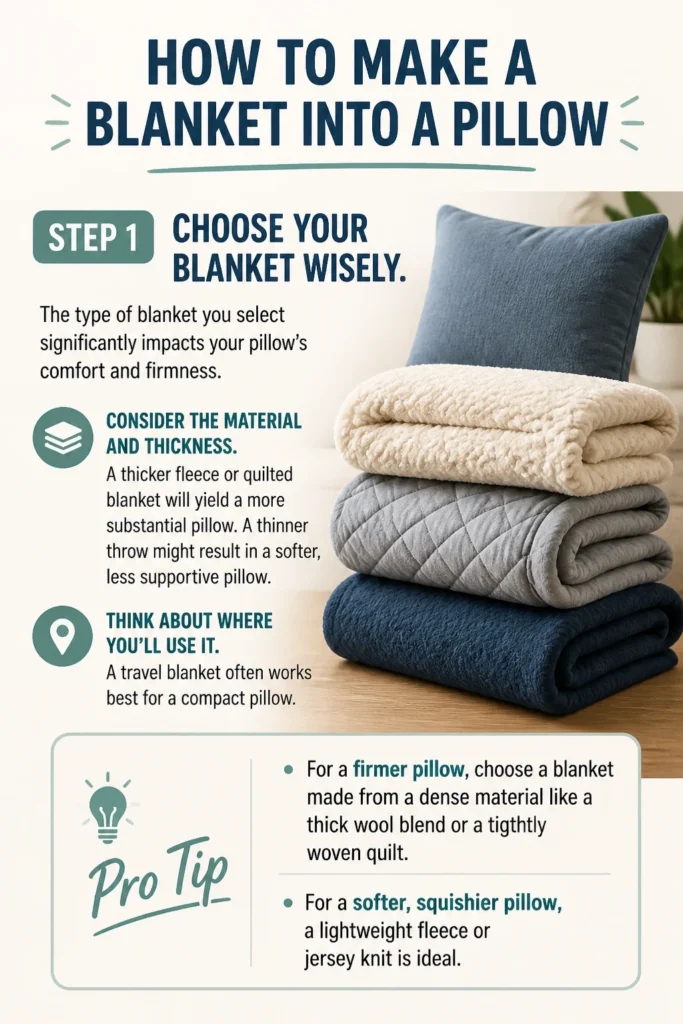
A thinner throw might result in a softer, less supportive pillow. Think about where you’ll use it. A travel blanket often works best for a compact pillow.
Pro Tip: For a firmer pillow, choose a blanket made from a dense material like a thick wool blend or a tightly woven quilt. For a softer, squishier pillow, a lightweight fleece or jersey knit is ideal.
Step 2: Lay It Flat and Smooth
Find a large, clean, flat surface to work on. This could be a bed, a table, or even a clean floor. Lay your chosen blanket out completely flat.
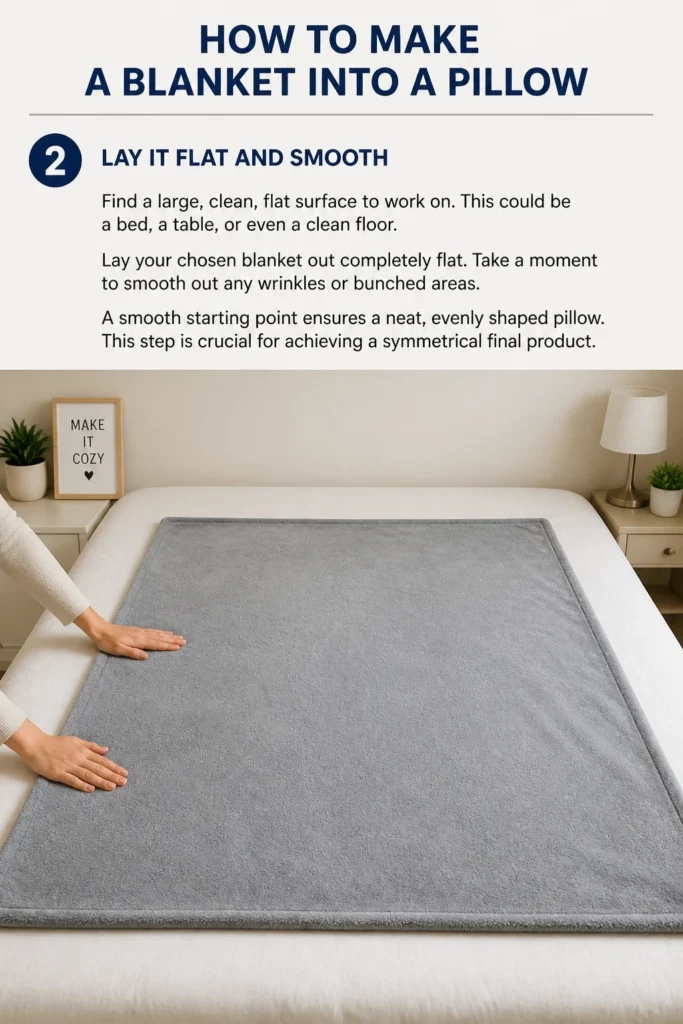
Take a moment to smooth out any wrinkles or bunched areas. A smooth starting point ensures a neat, evenly shaped pillow. This step is crucial for achieving a symmetrical final product.
Step 3: Master the Initial Fold
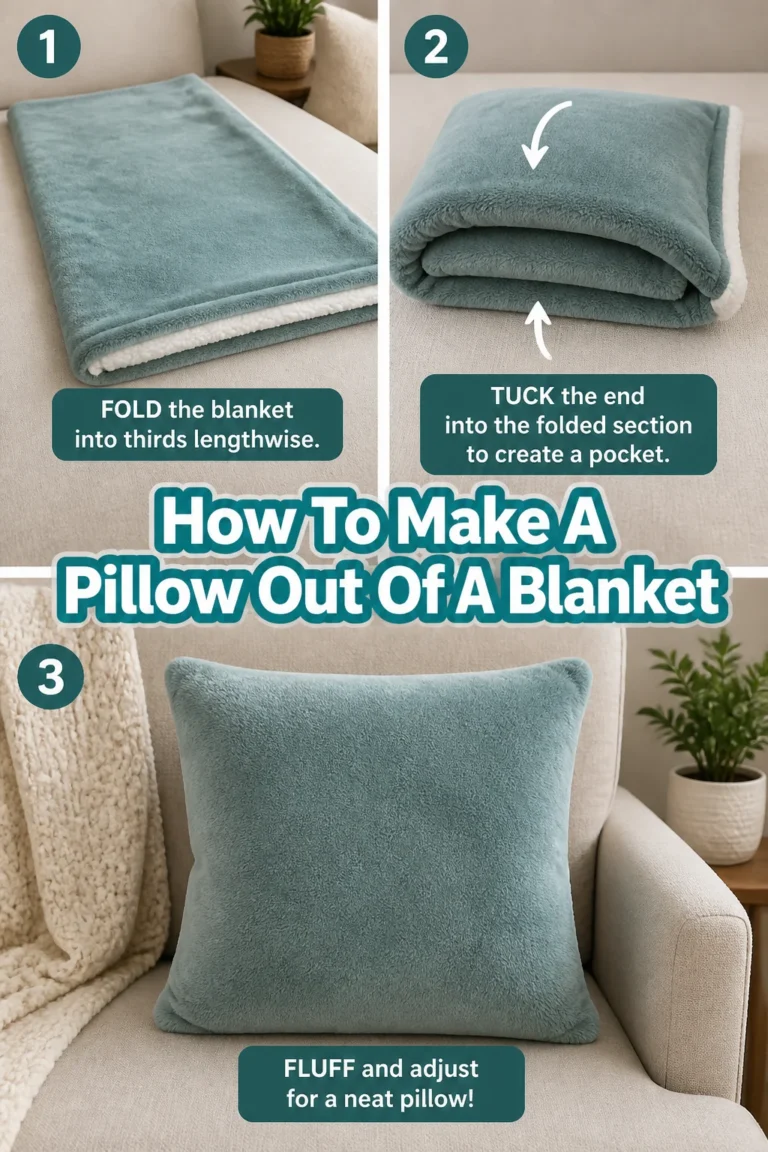
Begin by folding your blanket lengthwise. The goal is to create a long, narrow rectangle. You can fold it in half, or in thirds, depending on the blanket’s original width and your desired pillow size.
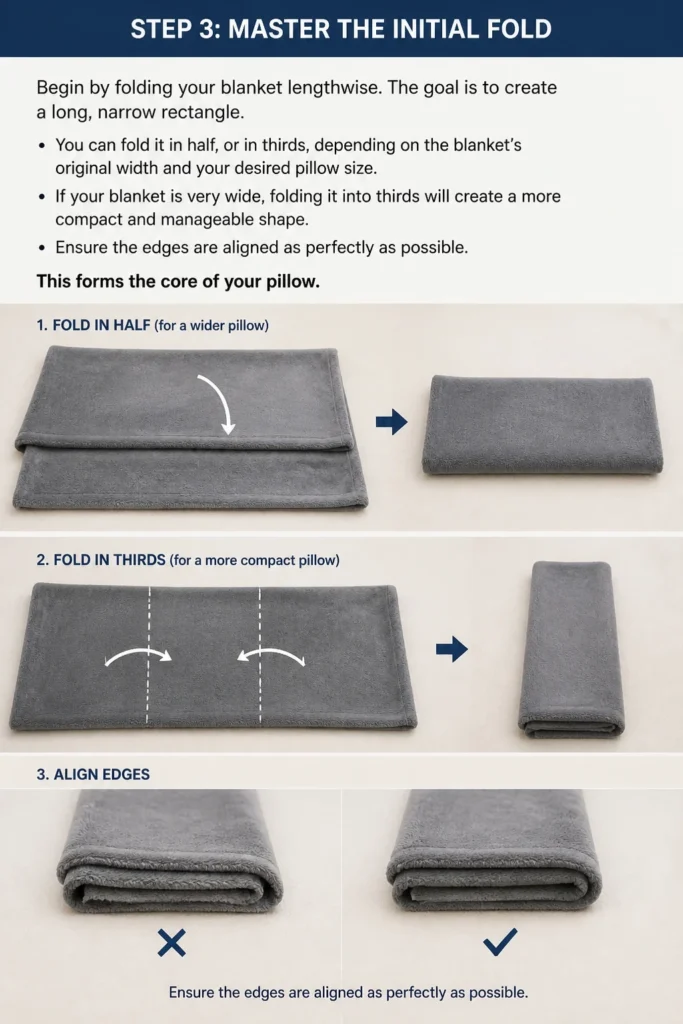
If your blanket is very wide, folding it into thirds will create a more compact and manageable shape. Ensure the edges are aligned as perfectly as possible. This forms the core of your pillow.
Step 4: Create the Pillow Shape
Now that you have a long rectangle, it’s time to form the main body of your pillow. Starting from one end, begin to fold the blanket over itself. You can fold it in half, or fold each end inward towards the center.
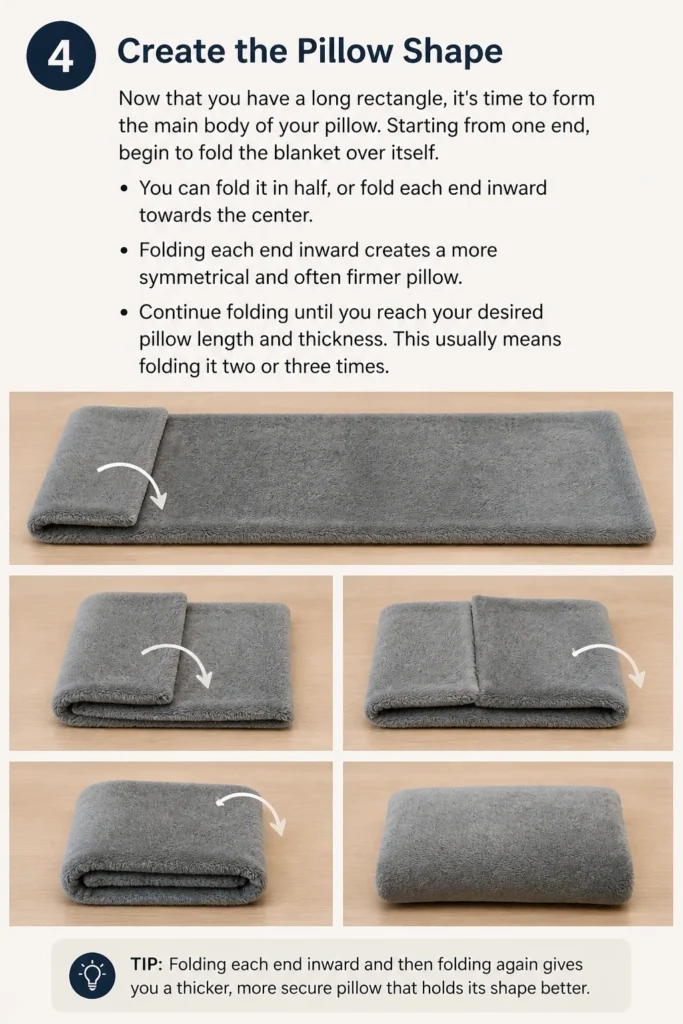
Folding each end inward creates a more symmetrical and often firmer pillow. Continue folding until you reach your desired pillow length and thickness. This usually means folding it two or three times.
Step 5: Secure the Ends with a Tuck
This is often the most critical step for keeping your pillow together. When you reach the final fold, one end of the blanket will likely be loose. Look for a natural pocket or flap created by the previous folds.
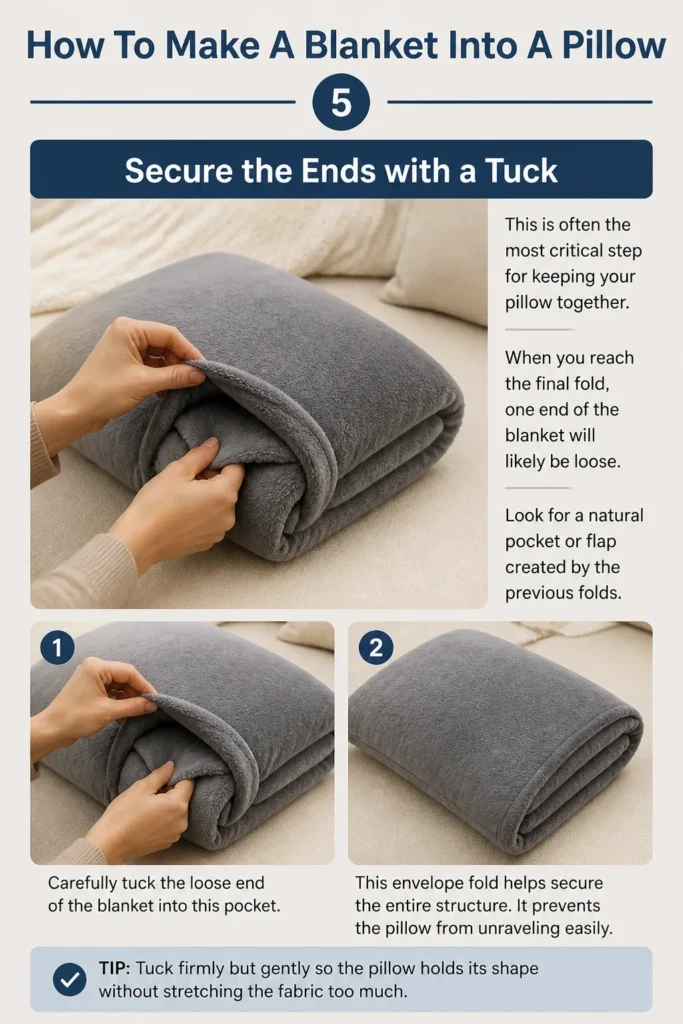
Carefully tuck the loose end of the blanket into this pocket. This “envelope” fold helps secure the entire structure. It prevents the pillow from unraveling easily.
Step 6: Refine and Adjust for Comfort
Once the blanket is folded and tucked, take a moment to pat and shape your new pillow. Gently press down and mold it to your preferred firmness and shape. You can push excess fabric towards the center for more loft.
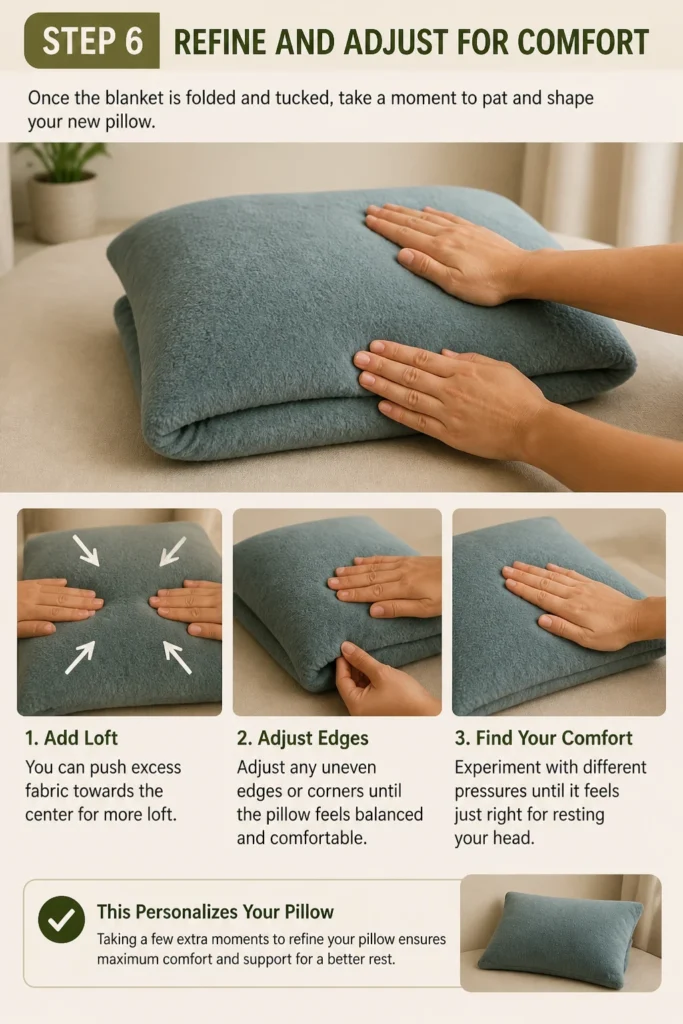
Adjust any uneven edges or corners until the pillow feels balanced and comfortable. Experiment with different pressures until it feels just right for resting your head. This personalizes your pillow.
Step 7: Consider Optional Securing Methods
For a truly portable or long-lasting pillow, you might want to add an extra layer of security. A simple hair tie or a fabric band can be wrapped around the middle of the folded blanket. This provides added stability.
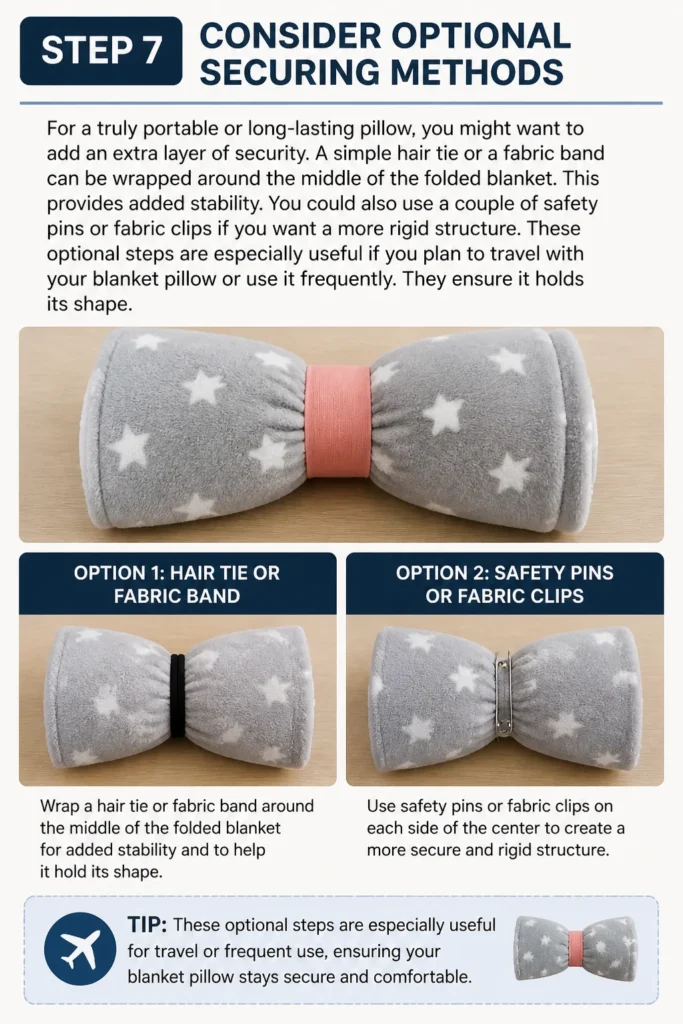
You could also use a couple of safety pins or fabric clips if you want a more rigid structure. These optional steps are especially useful if you plan to travel with your blanket pillow or use it frequently. They ensure it holds its shape.
Common Mistakes to Avoid
Not Smoothing the Blanket First
Starting with a crumpled or uneven blanket makes it nearly impossible to achieve a neat, firm pillow. The folds will be irregular, leading to a lumpy and uncomfortable result. Always take the extra minute to lay your blanket perfectly flat and smooth out all wrinkles before you begin folding. This ensures evenness.
Inconsistent Folding
If your folds are uneven, with one side thicker or longer than the other, your pillow will be lopsided. This can make it unstable and less supportive for your head and neck. Strive for precision in each fold, aligning edges carefully. Consistent folding builds a solid, balanced foundation.
Not Tucking the Final End Securely
Many people rush the final tuck, leading to a pillow that quickly unravels with movement. If the loose end isn’t firmly secured into a pocket created by the other folds, your efforts will be short-lived. Double-check that the end is fully nested within the layers, creating a tight, self-contained unit. This is key to stability.
Choosing the Wrong Blanket Material
Using a very thin, slippery, or overly stretchy blanket can make it difficult to hold its shape. Such materials tend to slip out of place, making the pillow less firm and more prone to collapsing. Opt for blankets with some heft and texture for better structural integrity. A medium-weight fleece or a textured throw works well.
Troubleshooting
Pillow Keeps Unraveling
If your blanket pillow consistently comes undone, the final tuck likely isn’t secure enough. Re-examine your folds to ensure you’ve created a deep enough pocket for the loose end. You might need to adjust the initial folds to create more tension.
Consider adding an external securing method. A simple elastic band or even a long scarf tied around the center of the pillow can provide the extra hold needed. This prevents it from coming apart during use.
Pillow Feels Too Soft or Lumpy
A pillow that lacks firmness or feels uneven often results from inconsistent folding or insufficient layers. Go back to Step 3 and ensure your initial lengthwise folds are tight and even. You might need to fold the blanket more times to increase its density.
Try adding another inward fold in Step 4 to create more bulk. Patting and shaping the pillow more vigorously in Step 6 can also help distribute the fabric evenly and remove lumps. A solid foundation is crucial.
Pillow is Too Bulky or Large
If your blanket pillow ends up being too big, you’ve likely used a blanket that’s too large for your needs or folded it too few times. Start by choosing a smaller blanket, such as a throw or a twin-sized blanket.
Alternatively, adjust your initial fold in Step 3 to create a narrower rectangle. Folding it into thirds instead of halves can significantly reduce bulk. The goal is to create a compact, dense shape.
Key Takeaways
- Select the Right Blanket: Thicker, denser blankets create firmer, more supportive pillows, while lighter blankets offer a softer feel.
- Start with a Smooth Surface: Laying your blanket perfectly flat and smoothing wrinkles ensures an even, well-formed pillow.
- Fold Consistently: Precision in each fold, especially the initial lengthwise and subsequent inward folds, is crucial for a stable and comfortable pillow.
- Secure the Final Tuck: The “envelope” tuck of the loose end is vital for keeping the pillow from unraveling during use.
- Customize for Comfort: Don’t hesitate to pat, shape, and adjust your folded blanket until it meets your personal preference for firmness and size.
- Consider External Securing: For extra stability, especially for travel, use elastic bands, hair ties, or fabric clips to hold the pillow’s shape.
Frequently Asked Questions
Can I make a pillow from any type of blanket?
While you can technically fold any blanket, the best results come from blankets with some structure and thickness. Very thin, silky, or overly stretchy materials can be challenging to keep in shape. Fleece, wool, cotton throws, or quilted blankets work exceptionally well.
How do I make the pillow firmer?
To make your blanket pillow firmer, choose a thicker, denser blanket material. Additionally, increase the number of folds you make. Folding the blanket into more layers will compact the fabric, resulting in a more solid and supportive pillow.
What if my blanket is too large?
If your blanket is very large, like a king-sized quilt, you’ll need to make more initial folds. Instead of folding it in half lengthwise, try folding it into thirds or even quarters to create a narrower starting rectangle. This will make it more manageable for subsequent folds.
Can I wash the blanket pillow once it’s made?
You cannot wash the blanket as a pillow. The “pillow” is just a folded blanket. To clean it, you must unfold the blanket completely and wash it according to its care instructions. Once clean and dry, you can refold it back into a pillow shape.
Our Top Recommended Finds
- High-Quality Fleece Throw Blanket: Perfect for a soft yet supportive pillow, easy to fold and holds its shape well.
- Set of Large Elastic Bands: Ideal for securing your folded blanket pillow, especially for travel or if you need extra stability.
- Compact Travel Blanket: Often designed with a bit more structure, these are excellent for creating small, firm travel pillows on the go.
Transform Your Comfort Today
Learning to make a blanket into a pillow is a simple skill with surprising utility. It’s perfect for impromptu naps, long journeys, or just adding an extra layer of comfort to your couch. Once you master the technique, you’ll find yourself reaching for it again and again.
Don’t let another uncomfortable moment pass you by. Grab a blanket, follow these steps, and experience the immediate satisfaction of creating your own cozy support. Enjoy the comfort you’ve crafted!
Beginner-friendly templates, step-by-step guides,
and weekly project ideas in your inbox.