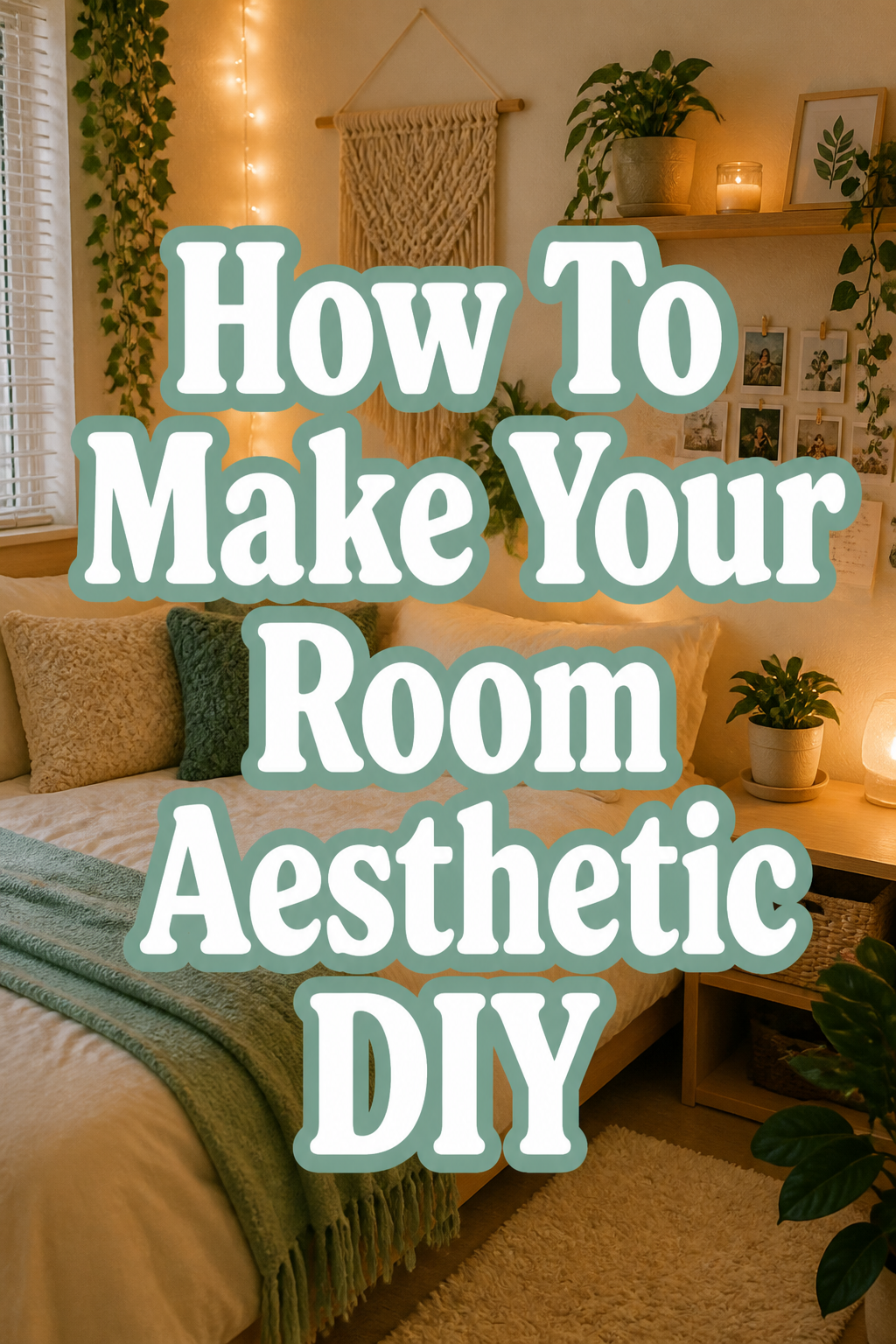
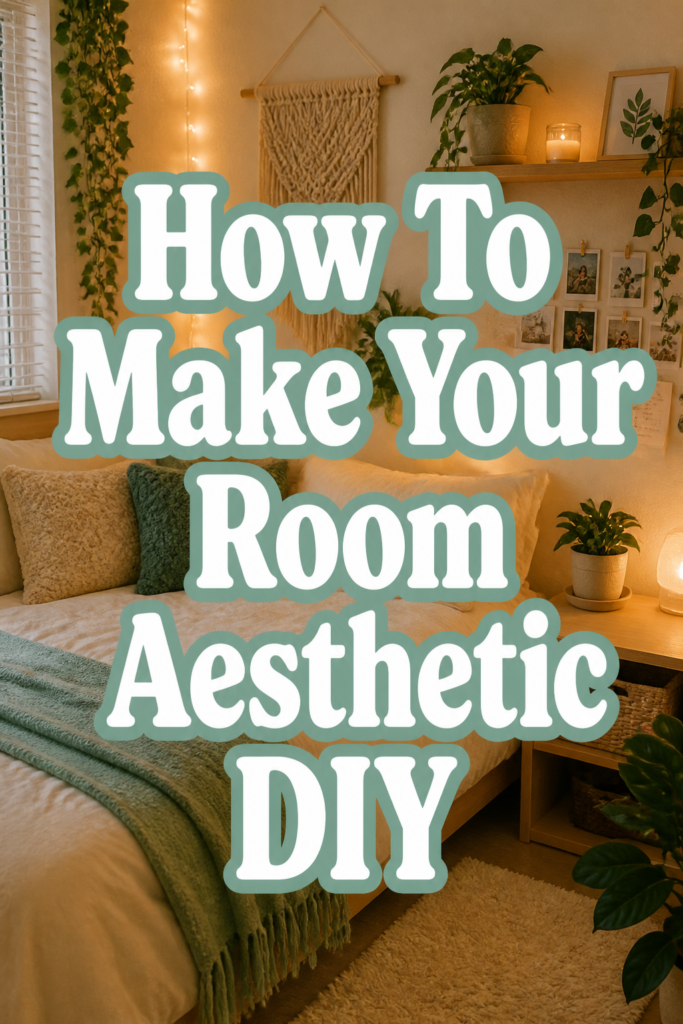
✨ How To Make Your Room Aesthetic DIY
Beginner-friendly templates, step-by-step guides,
and weekly project ideas in your inbox.
Dreaming of a space that truly reflects your personality and brings you joy? Transforming your room into an aesthetic haven doesn’t require a massive budget or professional help.
I’ve spent countless hours experimenting with DIY decor, learning what works and what truly elevates a room’s vibe.
This guide shares all my practical tips to help you create a beautiful, personalized sanctuary.
Quick Overview
This guide will walk you through creating a cohesive and stylish room aesthetic from scratch, using simple DIY techniques.
You’ll learn how to plan your design, implement key decorative elements, and maintain a harmonious look.
- Time needed: 1-3 weekends (depending on scope)
- Difficulty: Beginner to Intermediate
- What you’ll need: Paint, brushes, basic craft supplies, measuring tape, creativity
Step-by-Step Instructions
Step 1: Define Your Aesthetic Vision
Before buying anything, take time to clarify what “aesthetic” means to you. Look at inspiration from Pinterest, Instagram, or design blogs.
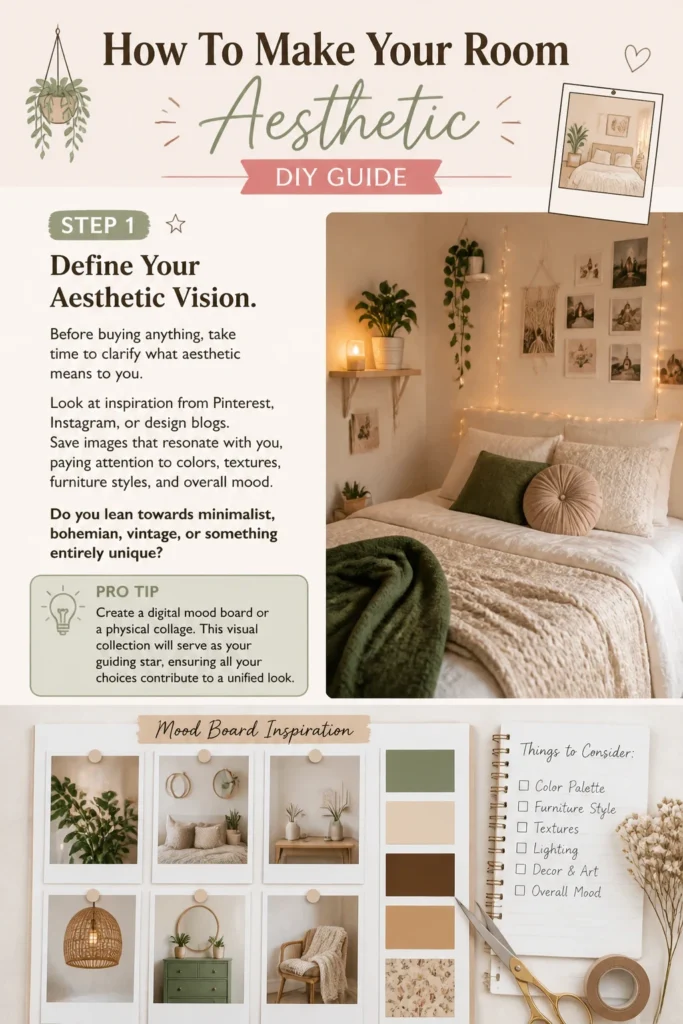
Save images that resonate with you, paying attention to colors, textures, furniture styles, and overall mood.
Do you lean towards minimalist, bohemian, vintage, or something entirely unique?
Pro Tip: Create a digital mood board or a physical collage. This visual collection will serve as your guiding star, ensuring all your choices contribute to a unified look.
Step 2: Declutter and Optimize Your Space
A truly aesthetic room starts with a clean slate. Remove everything that doesn’t serve a purpose or bring you joy.
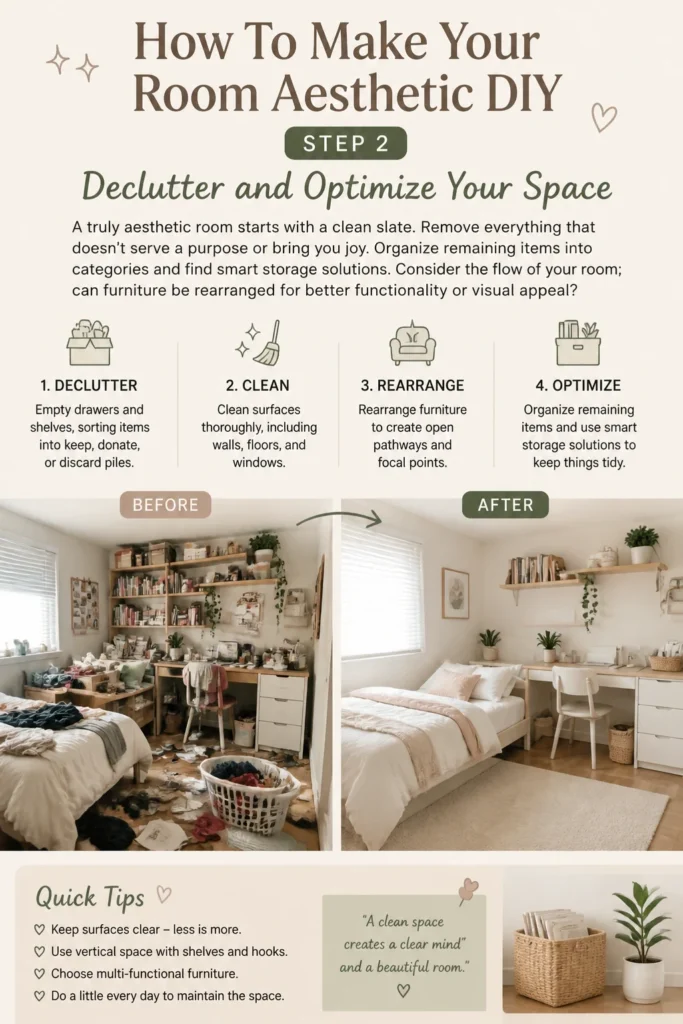
Organize remaining items into categories and find smart storage solutions.
Consider the flow of your room; can furniture be rearranged for better functionality or visual appeal?
- Empty drawers and shelves, sorting items into “keep,” “donate,” or “discard” piles.
- Clean surfaces thoroughly, including walls, floors, and windows.
- Rearrange furniture to create open pathways and focal points.
Step 3: Choose Your Color Palette
Colors set the entire mood of your room. Select 2-4 primary colors based on your aesthetic vision.
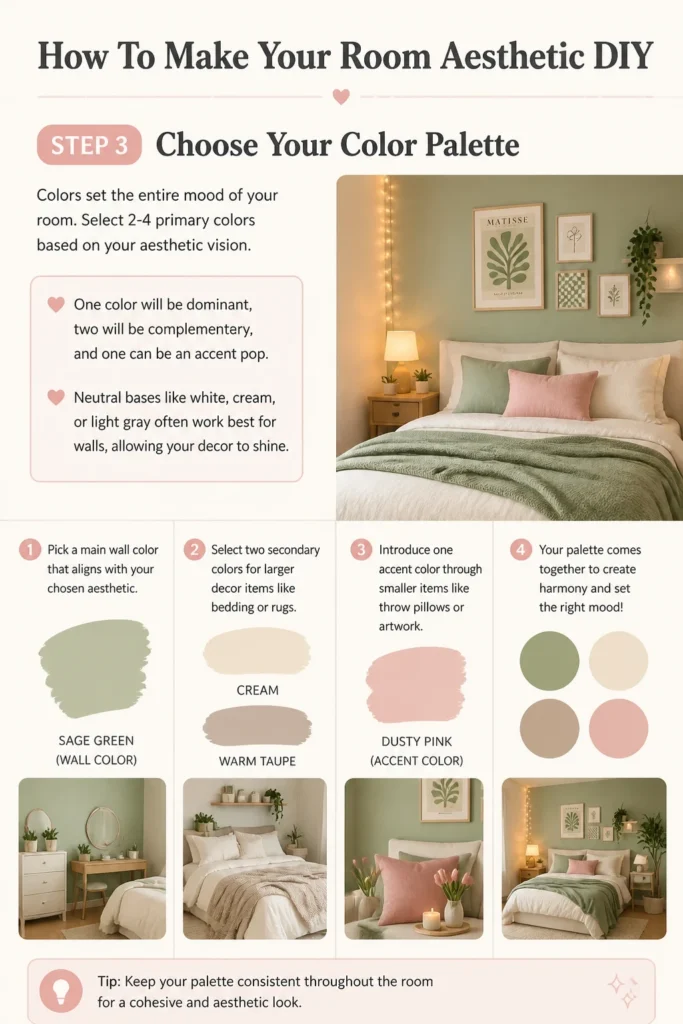
One color will be dominant, two will be complementary, and one can be an accent pop.
Neutral bases like white, cream, or light gray often work best for walls, allowing your decor to shine.
- Pick a main wall color that aligns with your chosen aesthetic.
- Select two secondary colors for larger decor items like bedding or rugs.
- Introduce one accent color through smaller items like throw pillows or artwork.
Step 4: DIY Wall Art and Decor
Your walls are a huge canvas for expressing your aesthetic. Instead of buying expensive art, create your own.
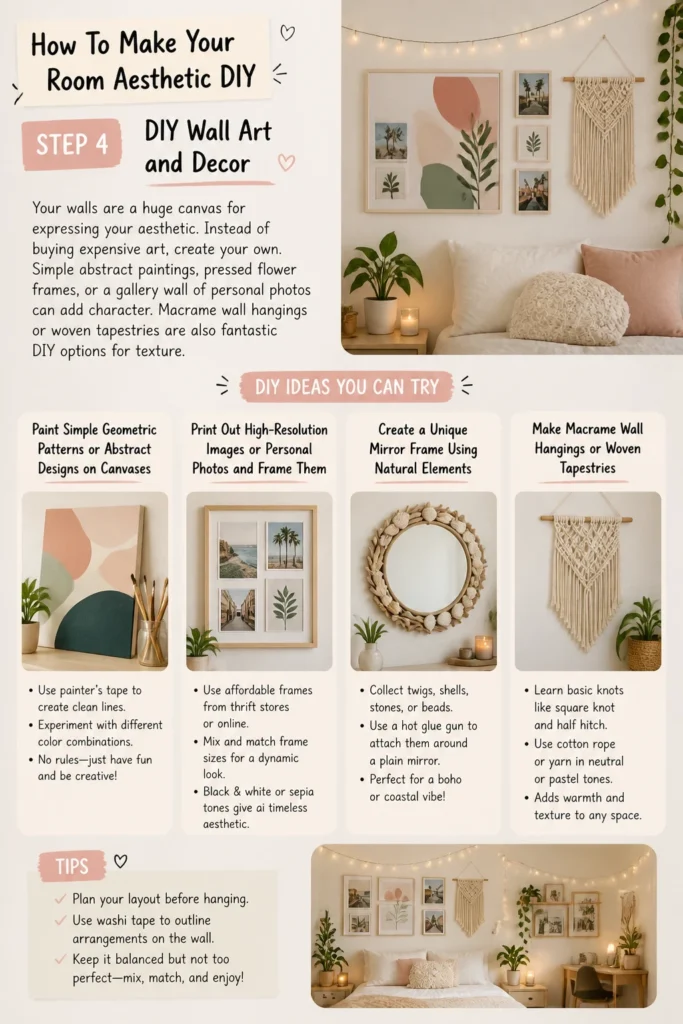
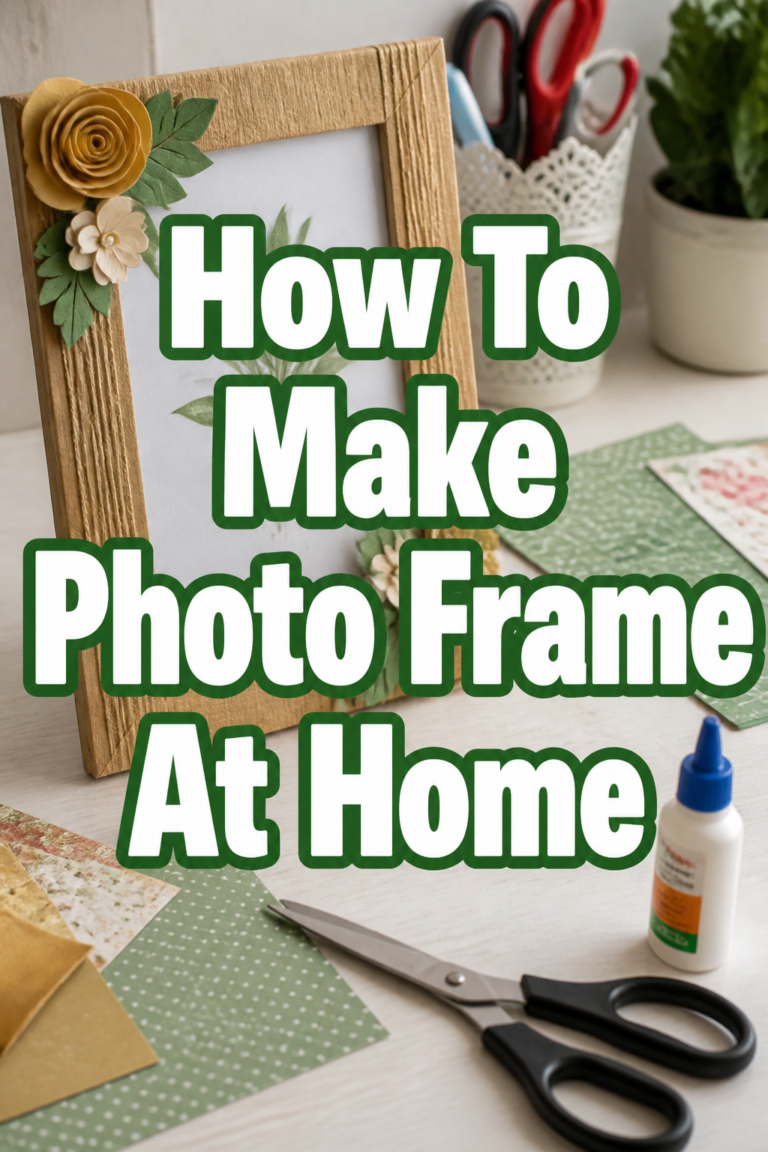
Simple abstract paintings, pressed flower frames, or a gallery wall of personal photos can add character.
Macrame wall hangings or woven tapestries are also fantastic DIY options for texture.
- Paint simple geometric patterns or abstract designs on canvases.
- Print out high-resolution images or personal photos and frame them.
- Create a unique mirror frame using natural elements like twigs or shells.
Step 5: Incorporate Textiles and Textures
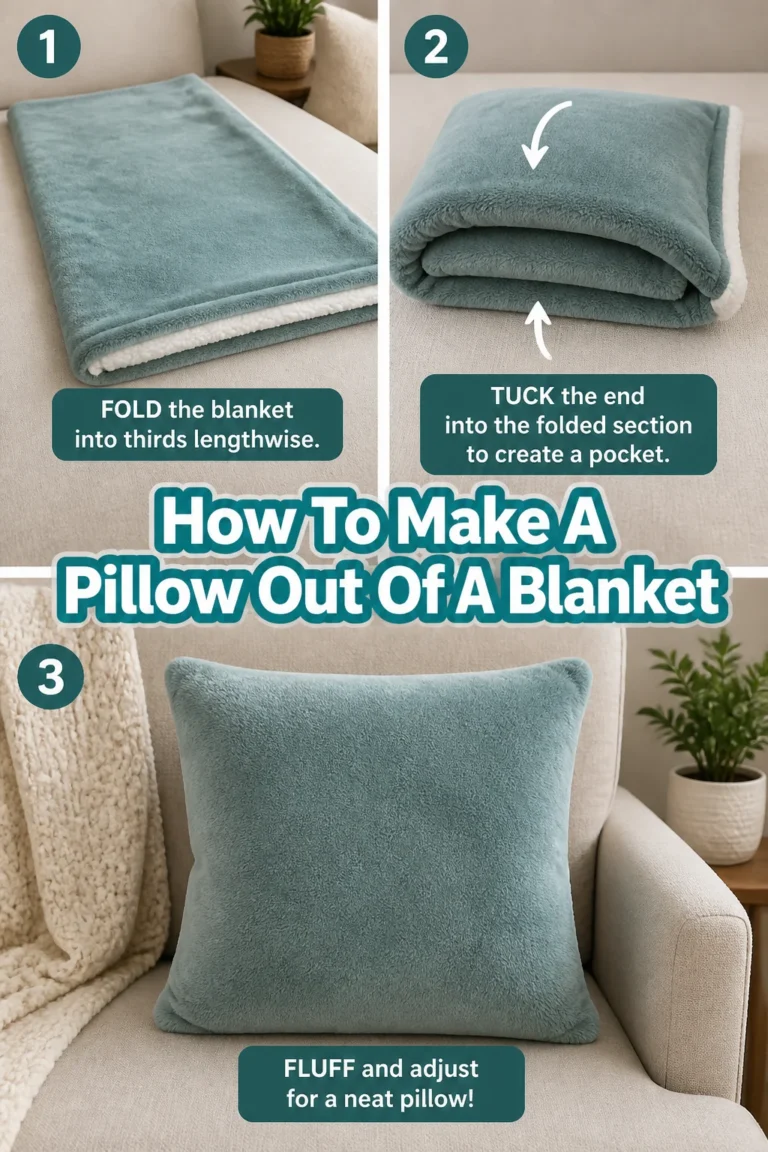
Textiles add warmth, depth, and comfort to any room. Think about how different materials feel and look.
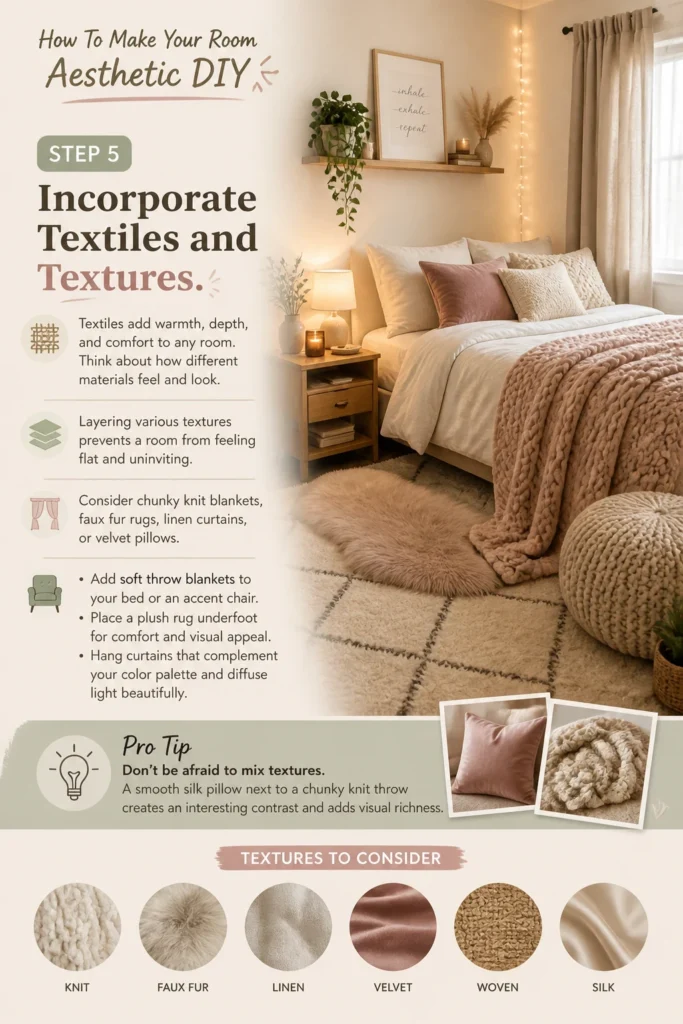
Layering various textures prevents a room from feeling flat and uninviting.
Consider chunky knit blankets, faux fur rugs, linen curtains, or velvet pillows.
- Add soft throw blankets to your bed or an accent chair.
- Place a plush rug underfoot for comfort and visual appeal.
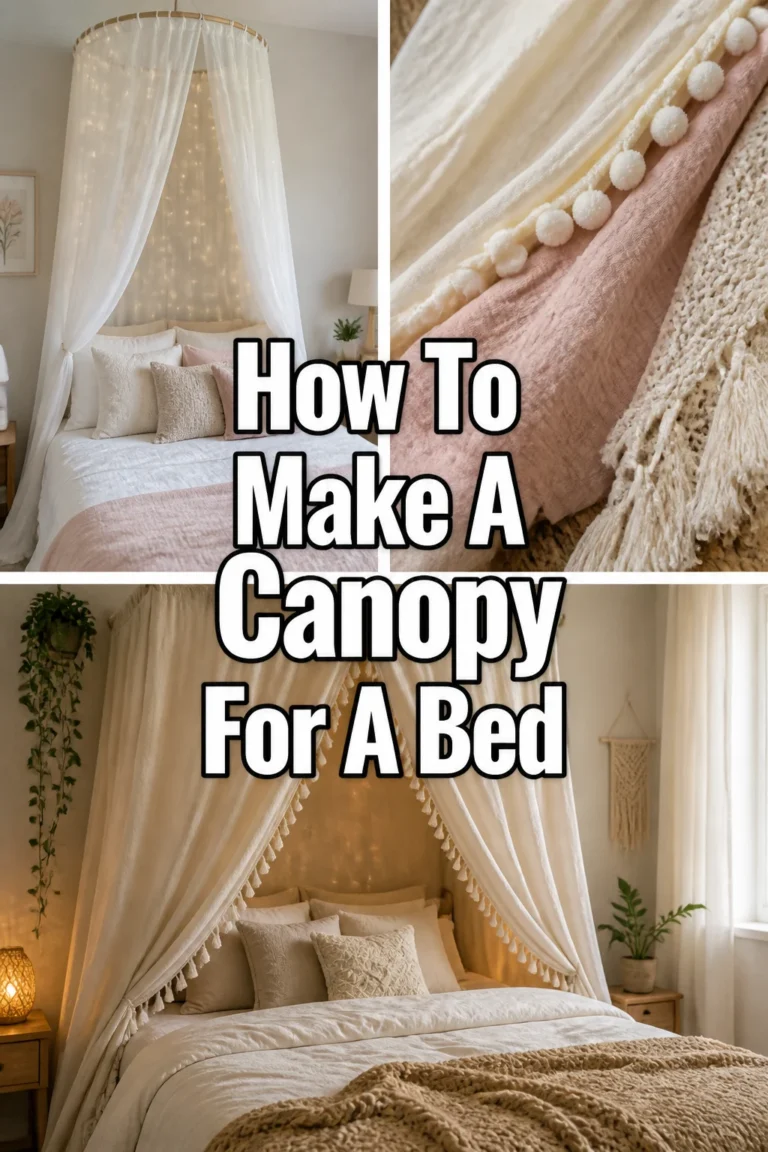
- Hang curtains that complement your color palette and diffuse light beautifully.
Pro Tip: Don’t be afraid to mix textures. A smooth silk pillow next to a chunky knit throw creates an interesting contrast and adds visual richness.
Step 6: Smart Lighting Solutions
Lighting profoundly impacts a room’s atmosphere. Harsh overhead lights can ruin any aesthetic.
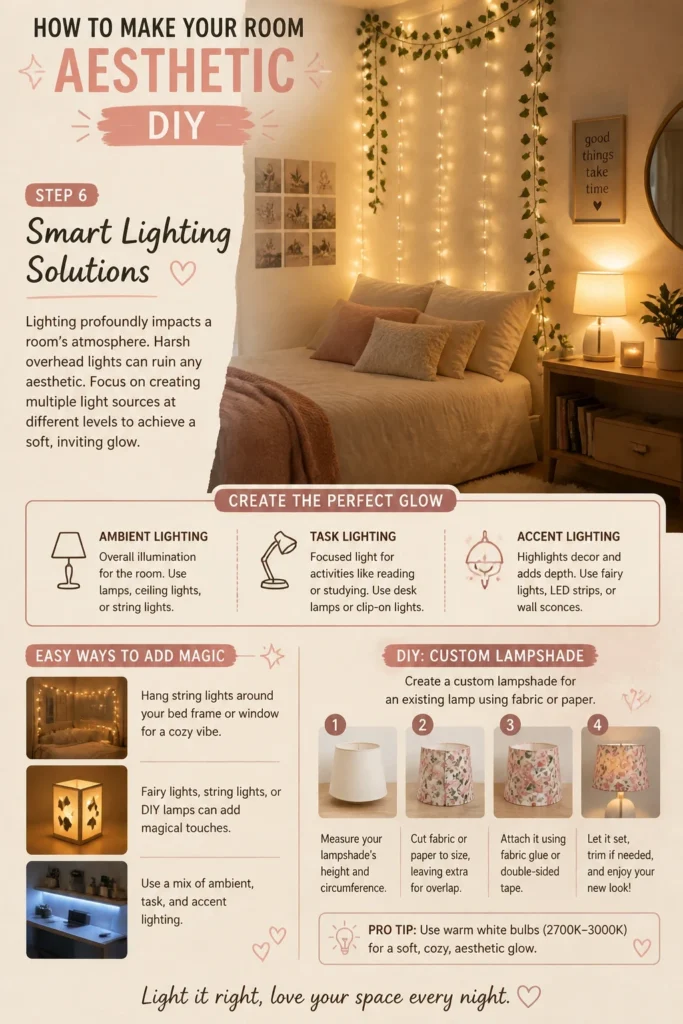
Focus on creating multiple light sources at different levels to achieve a soft, inviting glow.
Fairy lights, string lights, or DIY lamps can add magical touches.
- Use a mix of ambient, task, and accent lighting.
- Hang string lights around your bed frame or window for a cozy vibe.
- Create a custom lampshade for an existing lamp using fabric or paper.
Step 7: Greenery and Natural Elements
Plants instantly bring life, freshness, and a touch of nature indoors. They are essential for many aesthetics.
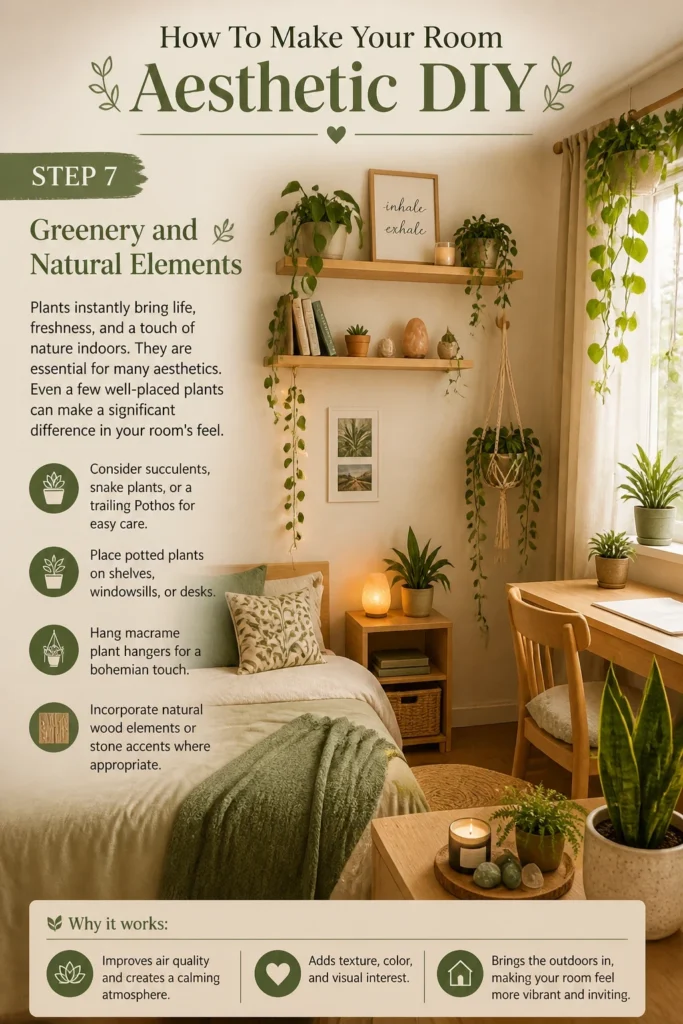
Even a few well-placed plants can make a significant difference in your room’s feel.
Consider succulents, snake plants, or a trailing Pothos for easy care.
- Place potted plants on shelves, windowsills, or desks.
- Hang macrame plant hangers for a bohemian touch.
- Incorporate natural wood elements or stone accents where appropriate.
Step 8: Personalize with Curated Details
The final touch for any aesthetic room is personalization. Display items that hold meaning to you.
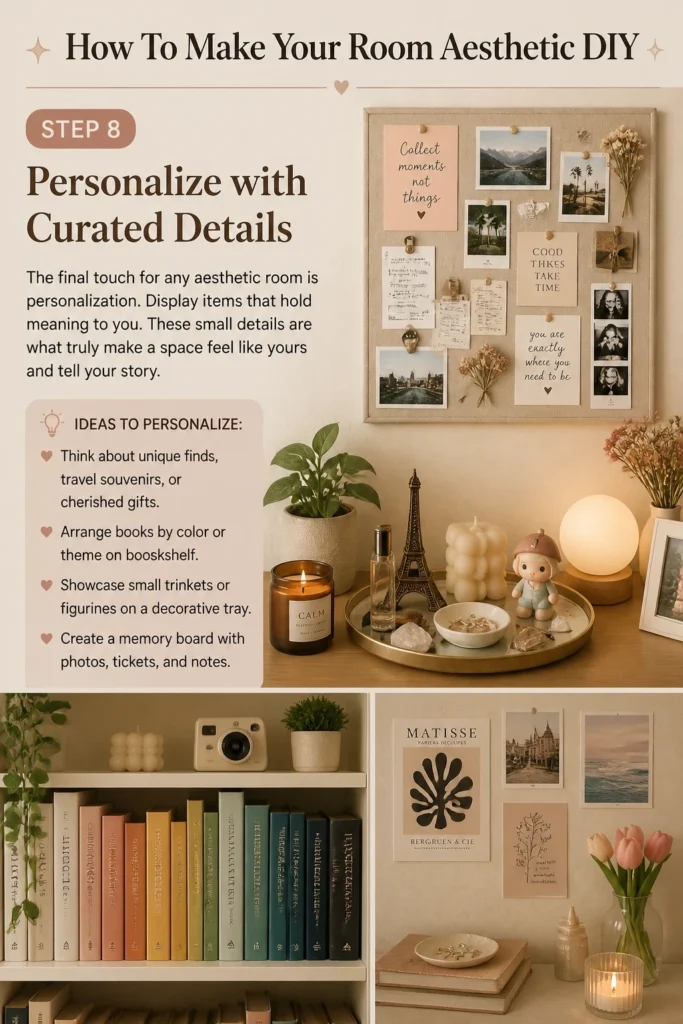
These small details are what truly make a space feel like yours and tell your story.
Think about unique finds, travel souvenirs, or cherished gifts.
- Arrange books by color or theme on a bookshelf.
- Showcase small trinkets or figurines on a decorative tray.
- Create a memory board with photos, tickets, and notes.
Common Mistakes to Avoid
Over-Decorating
It’s easy to get excited and fill every empty space. However, too many items can make a room feel cluttered and overwhelming, detracting from any aesthetic.
Instead, embrace negative space. Allow key pieces to breathe and stand out, creating a sense of calm and intentional design.
Ignoring Functionality
While aesthetics are important, your room must still be practical. An incredibly beautiful room that isn’t comfortable or functional will quickly become frustrating.
Always consider how you use the space daily. Ensure there’s adequate storage, comfortable seating, and proper lighting for your activities.
Inconsistent Color Palette
Randomly choosing colors can lead to a disjointed and chaotic look. A strong aesthetic relies on a cohesive color story.
Stick to your chosen palette and use it as a filter for every item you bring into the room. This ensures harmony and visual appeal.
Forgetting Personal Touches
A room can look great from a magazine, but without personal touches, it won’t feel like home. Your space should reflect who you are.
Integrate items that tell your story, represent your hobbies, or evoke cherished memories. These elements add soul and authenticity.
Troubleshooting
My Room Feels Too Bland
If your room lacks personality, you might be missing texture, accent colors, or personal elements. Try introducing more varied textiles like a patterned rug or textured throw pillows.
Add a pop of your accent color through a piece of art or a decorative vase. Incorporate plants and unique personal items to bring life into the space.
It Still Looks Cluttered
Even after decluttering, a room can feel cluttered if storage isn’t optimized or items are left exposed. Re-evaluate your storage solutions.
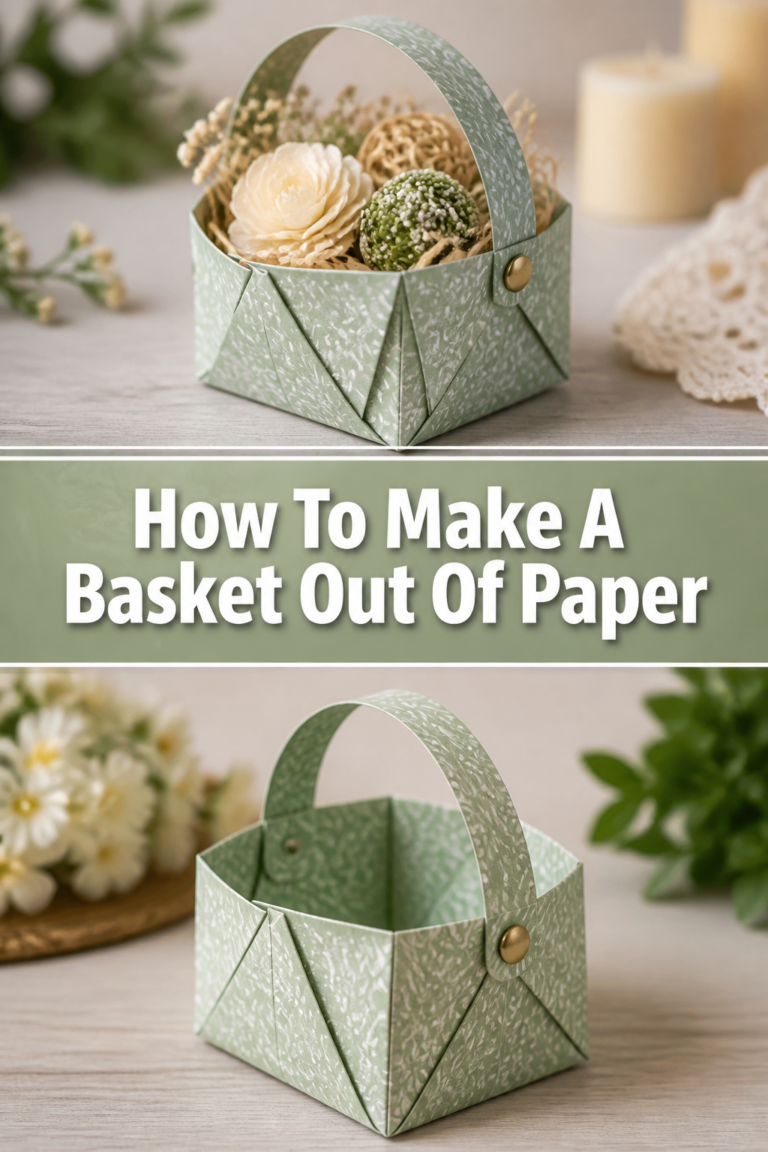
Consider closed storage options like baskets, bins, or cabinets to hide away miscellaneous items. Group smaller decor items on trays to create a more organized look.
The Lighting is Too Harsh
Overhead lighting often creates a stark, unwelcoming atmosphere. Supplement or replace harsh lights with softer options. Introduce floor lamps, table lamps, and string lights.
Use bulbs with a warmer color temperature (around 2700K-3000K) to create a cozier glow. Dimmer switches can also provide flexible lighting control.
Key Takeaways
- Begin with a clear aesthetic vision and a mood board to guide your choices.
- Declutter thoroughly and optimize your room’s layout for functionality and flow.
- Establish a cohesive color palette to ensure visual harmony throughout the space.
- Embrace DIY projects for wall art and decor to add unique, personalized touches.
- Layer textiles and textures to introduce warmth, depth, and comfort to your room.
- Utilize multiple light sources to create an inviting and layered ambiance.
- Incorporate plants and natural elements to bring life and freshness indoors.
- Personalize your space with meaningful items that tell your unique story.
Frequently Asked Questions
How do I make a small room feel aesthetic without overcrowding it?
For small rooms, focus on light colors, vertical space, and multi-functional furniture. Use mirrors to expand the perception of space and keep decor minimal but impactful. Floating shelves can add storage without taking up floor space.
What if I’m on a very tight budget?
Thrift stores, dollar stores, and existing items are your best friends. Upcycle old furniture with paint, create art from free online prints, or gather natural elements like branches or stones. Focus on changing one or two key elements at a time.
How often should I redecorate my aesthetic room?
There’s no strict rule; it depends on your preference. Many people refresh their decor seasonally or every few years. Small changes like swapping out throw pillows, rearranging art, or adding new plants can keep your room feeling fresh without a full overhaul.
Can I mix different aesthetic styles?
Yes, absolutely! Eclectic aesthetics can be incredibly charming. The key is to find common threads, such as a consistent color palette, similar textures, or a unifying theme, to ensure the different styles blend harmoniously rather than clashing.
Your Space, Your Story: Start Creating Today
You now have the tools and inspiration to transform your room into a beautiful, personalized sanctuary.
Remember, creating an aesthetic space is a journey, not a destination. It evolves with you.
Start with one small project this weekend, whether it’s painting a wall or creating a piece of art.
Embrace the process, have fun with it, and watch your dream room come to life, one thoughtful DIY step at a time!
Beginner-friendly templates, step-by-step guides,
and weekly project ideas in your inbox.